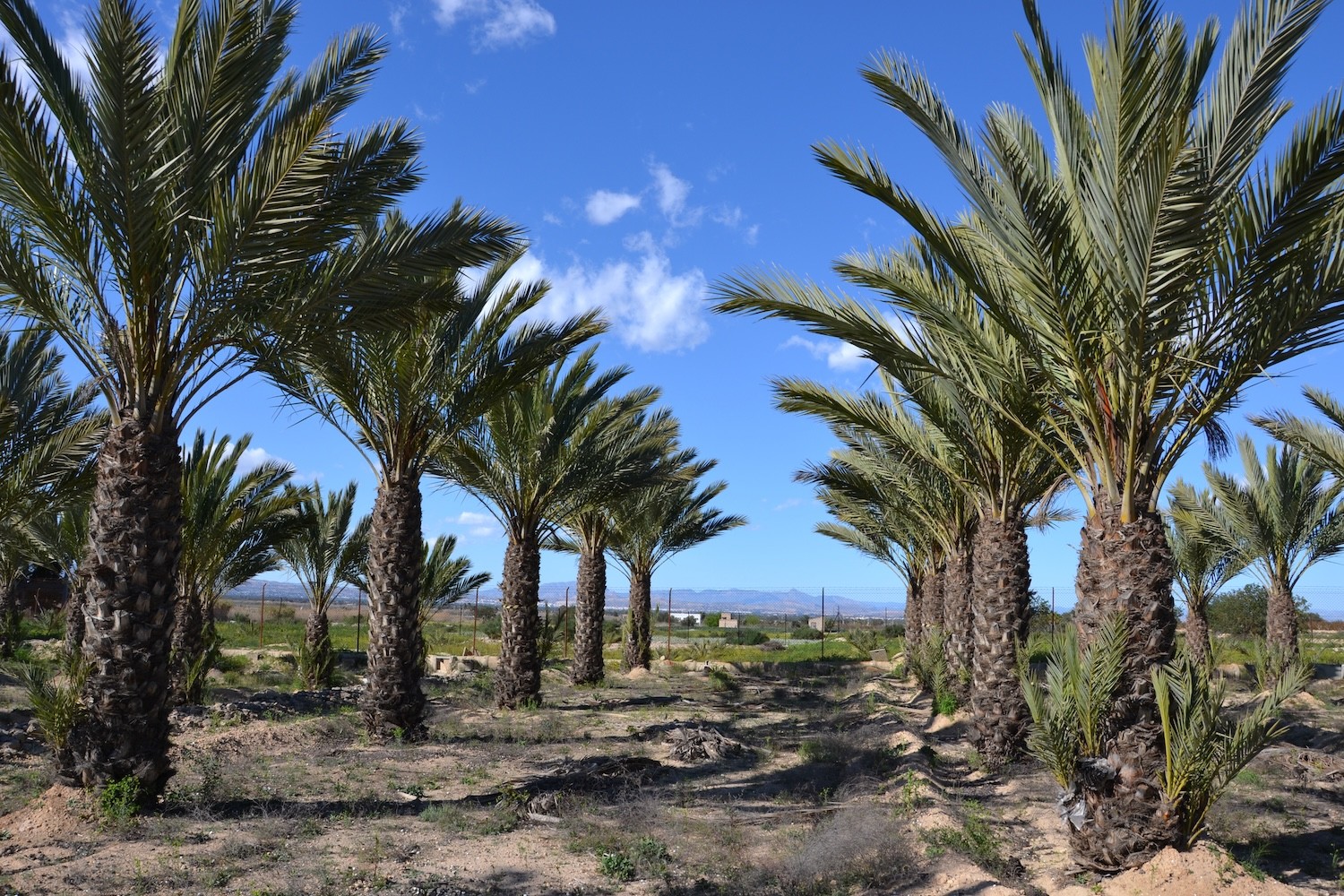




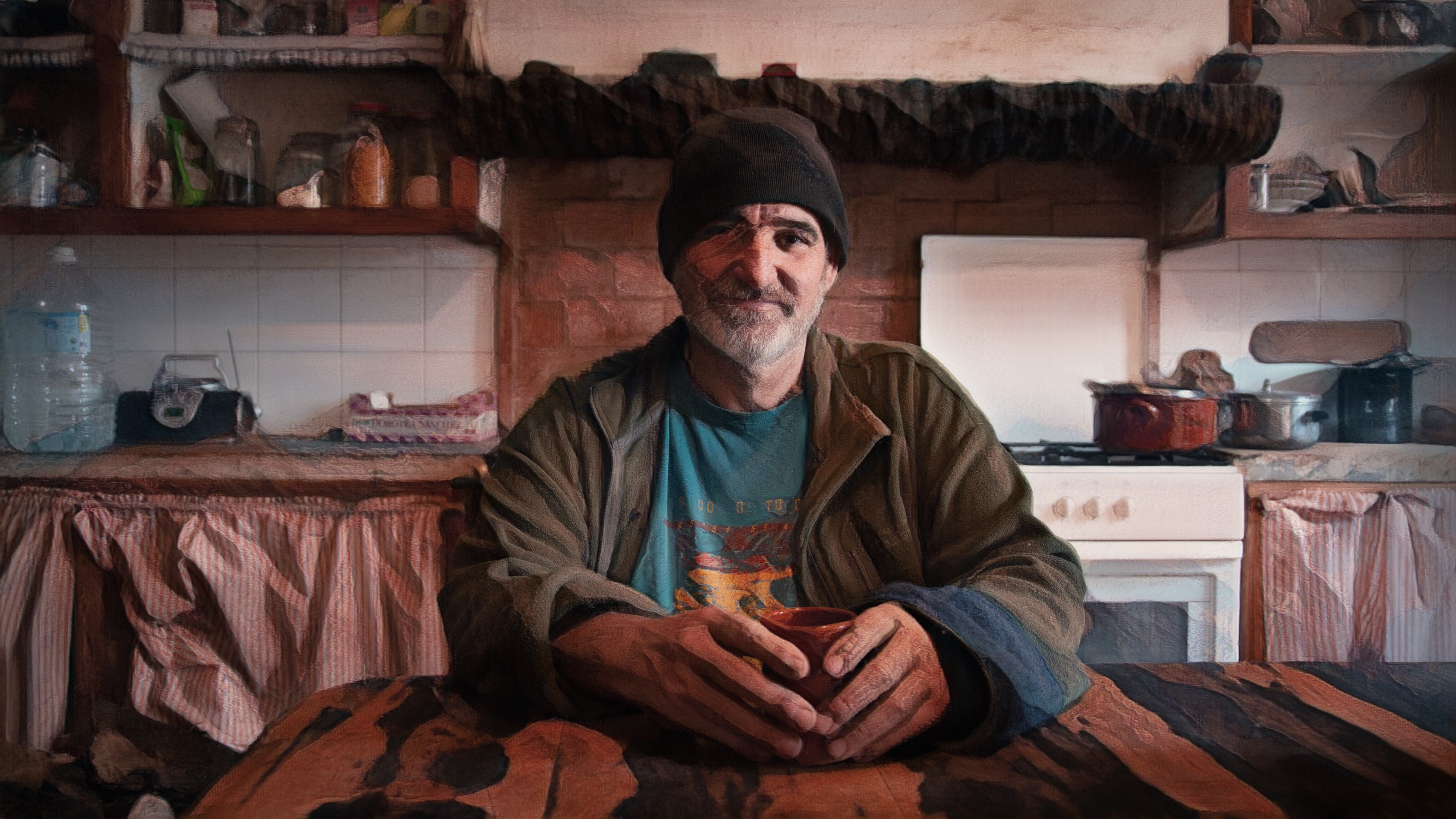
“The origin of everything here in Elche is the Palmeral (palm grove). The palmerero exists because there is a plant that grows upward—ever upward. Eventually, it reaches a point where ordinary people no longer have the skill to trim it. Those who acquire that skill create a trade.”
Vicente Campos Rubira is a 54-year-old palmerero, a centuries-old craft involving the cleaning, cultivation, and harvesting of dates. Campos Rubira lives in the rural outskirts of Elche, a small town on Spain’s Costa Blanca. It is home to Europe’s largest palm grove, founded between the 8th and 10th centuries CE during the Arab conquest of the Iberian Peninsula.
Since 2000, the urban area of the palm grove has been recognised by UNESCO as a World Heritage Site, in order to protect it and the traditional irrigation system it relies on from urban expansion and the consequent risk of disappearance. However, this recognition excluded the traditional occupations linked to the Palmeral, such as that of the palmerero.
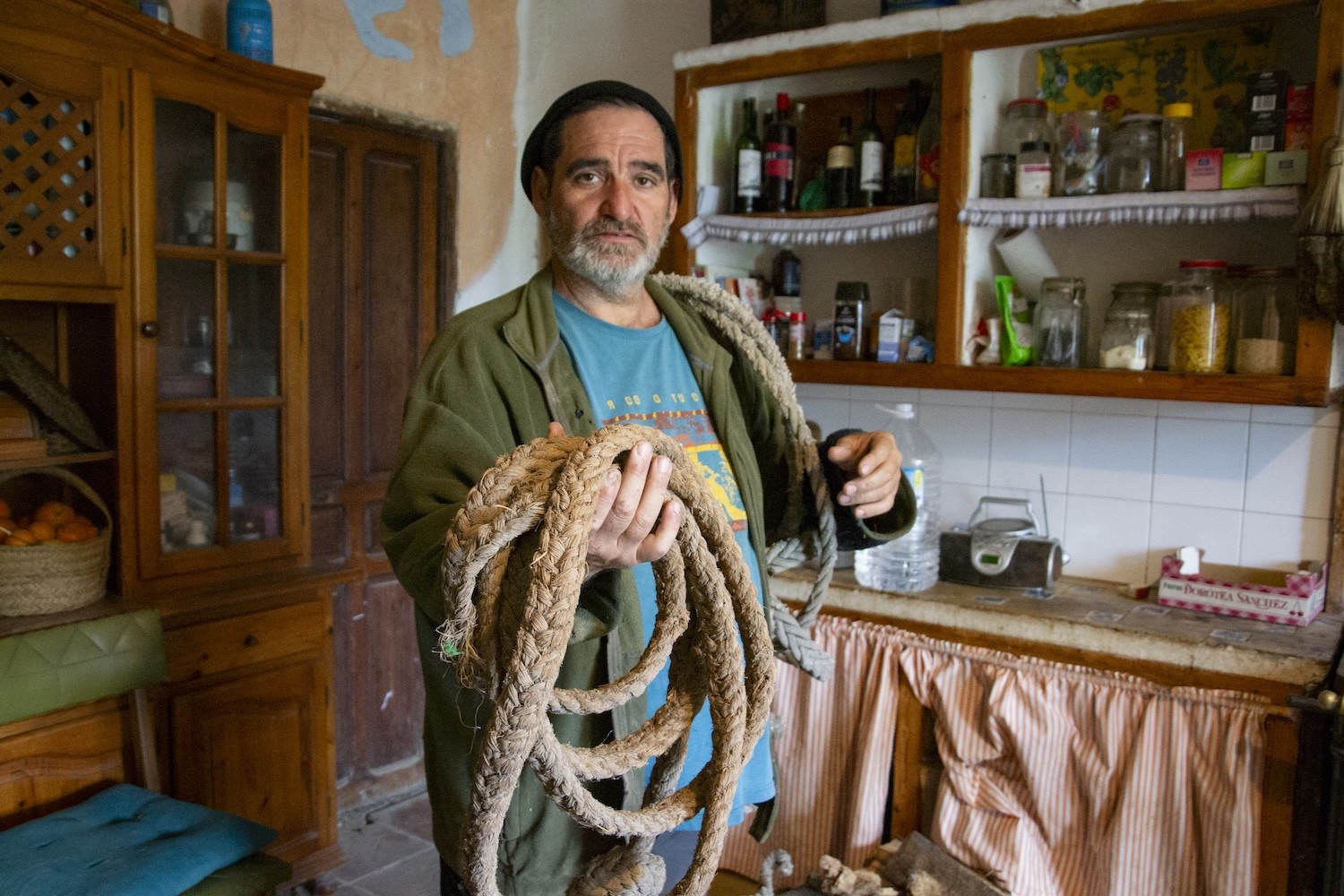
Today, this typical profession of Elche is threatened by the European safety regulations, which no longer allow palm trees to be climbed using traditional methods. In response, palmereros are now claiming a new UNESCO designation: to recognise Elche’s city as a World Heritage Site in order to preserve the Palmeral in its entirety, including its traditional crafts and techniques.
On a break from work, Campos Rubira welcomes us into his home, hidden among shrubs and palm trees—a dwelling that blends Gaudí-inspired modernism with eco-architecture. It seems to emerge from the very ground it stands on. The details give it a fairytale charm: a beige wall embedded with pebbles held together by mortar, rounded contours, a chimney reminiscent of a honey dripper, and a column crafted from a palm trunk.

We step inside and gather around a well-worn wooden table in the kitchen. Holding a terracotta cup in his hands, Campos Rubira tells us his story: “When I started out, most palmereros believed the trade was destined to disappear. It was grueling work, and hardly any sons wanted to follow in their fathers’ footsteps. The tradition was breaking, and there was a widespread belief that a new generation wouldn’t emerge.”
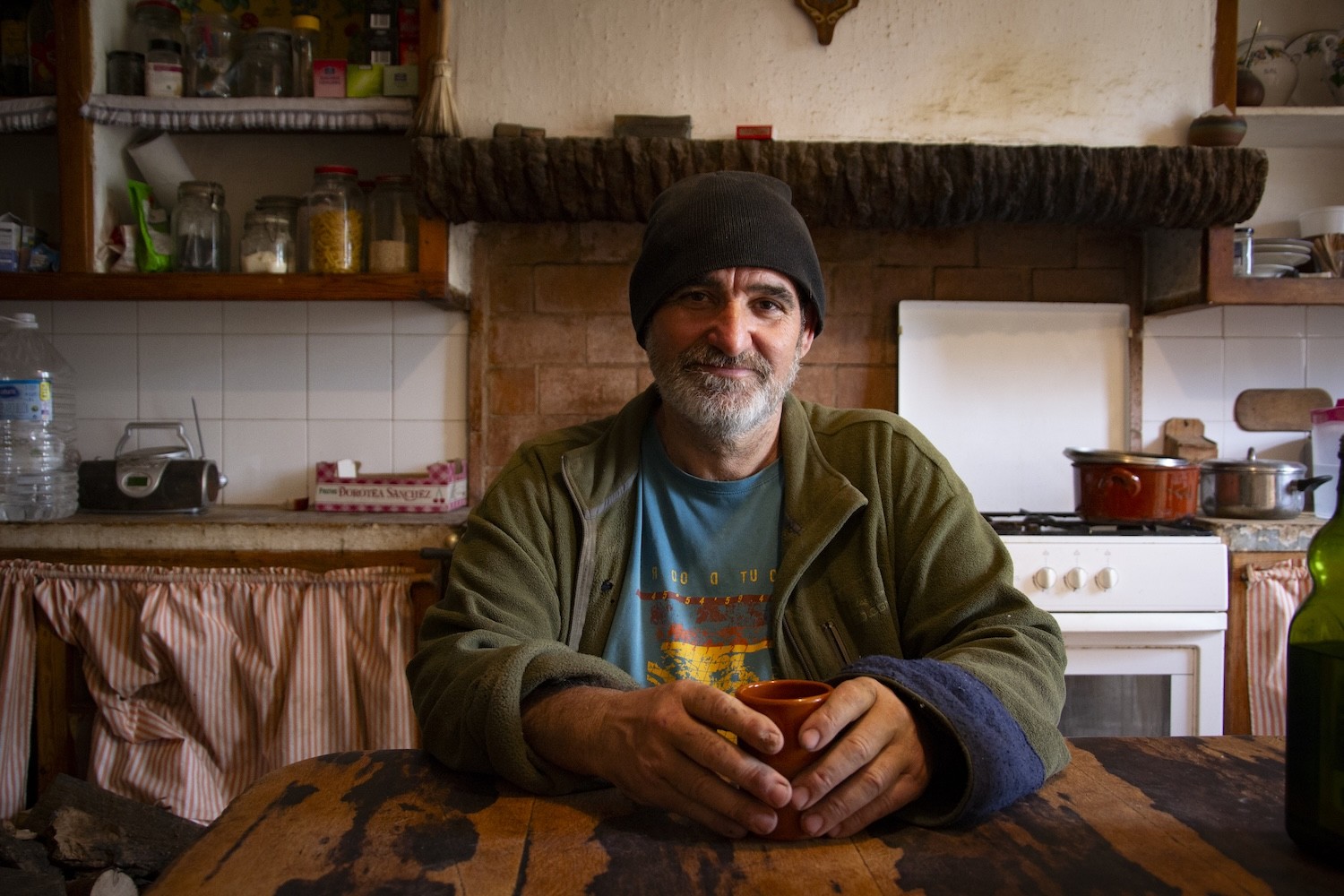
Campos Rubira began the profession at the age of 20, after completing a workshop-school program in the Palmereria, the first course of its kind where he learned the fundamentals. For generations, the palmerero trade was passed down from father to son. For him, who lacked any ancestral ties to the profession, gaining acceptance was an uphill battle. “In their minds, if you didn’t come from a family of palmereros, you couldn’t become one,” he recalls. “For every person who supported you, ten more would rather see you fail. It was as if they wanted to watch you sink, just to see if you had the courage to rise again.”
Ultimately, he endured. Campos Rubira carried on the craft, and even became a prominent voice in the broader fight for its legal recognition. Today, he serves as secretary of the Asociación de Palmereros de Elche (Apelx), an organization founded in 2008 to bring together palm cultivators and advocates for protecting their traditional techniques.
A History of the Palm Grove
Luis Pablo Martínez Sanmartín is a historian, anthropologist, and Cultural Heritage Inspector for the Generalitat Valenciana. It was his commitment that allowed Elche’s first UNESCO recognition in 2000. Martínez Sanmartín recalls that the path to UNESCO status began with a simple question: How old is the Palmeral? Among competing theories, he was able to demonstrate that this sophisticated feat of hydraulic engineering dates back to the 8th–10th centuries CE. Drawing on aerial photography, archival images recovered from the Museo de Puçol—which documents rural life in Elche—and historical records, he concluded: “The palm grove is contemporaneous with the founding of the Medina of Elche.”
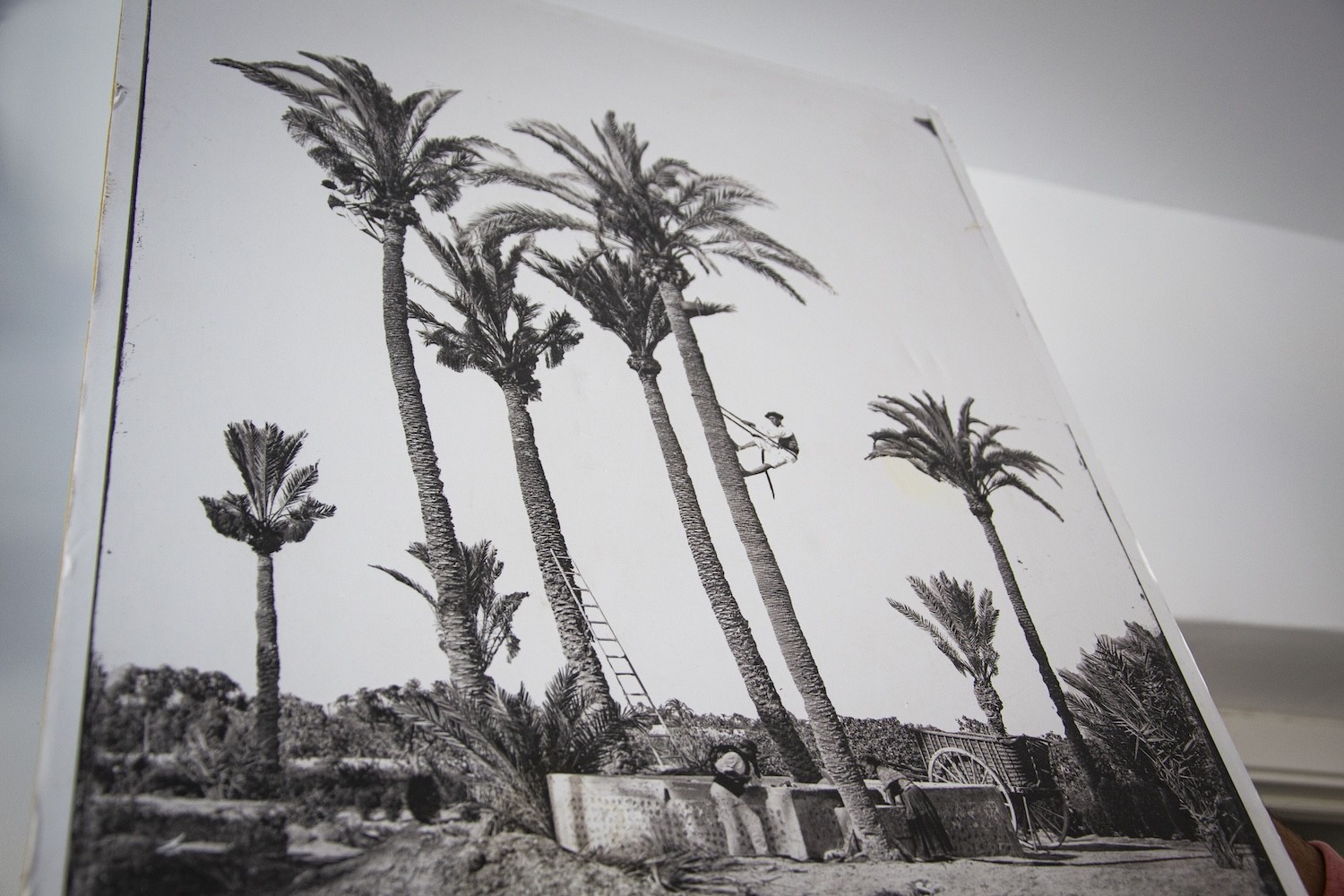
He highlights that the Acequia Mayor—the main irrigation canal—irrigates the Palmeral via numerous secondary channels, runs directly beneath the Muslim medina, even passing under the foundations of what was once the residence of the Muslim wali, the Alcázar de la Vila Murada.
The Arabs who arrived from North Africa, under the rule of the Umayyad Caliphate of Damascus, quickly figured out the limitations of the Vinalopó River—its average flow barely reached 0.3 cubic meters per second—and the salinity of its waters. This prompted them to rationalize the use of the available water resources, distributing them for both agricultural and domestic purposes, while also selecting plants and trees capable of thriving under saline conditions. Among these were date palms, pomegranates—one of the iconic symbols of Elche—and alfalfa. “A collective intelligence conceived how to make productive use of lands that, until then, had remained unirrigated,” remarks the historian.
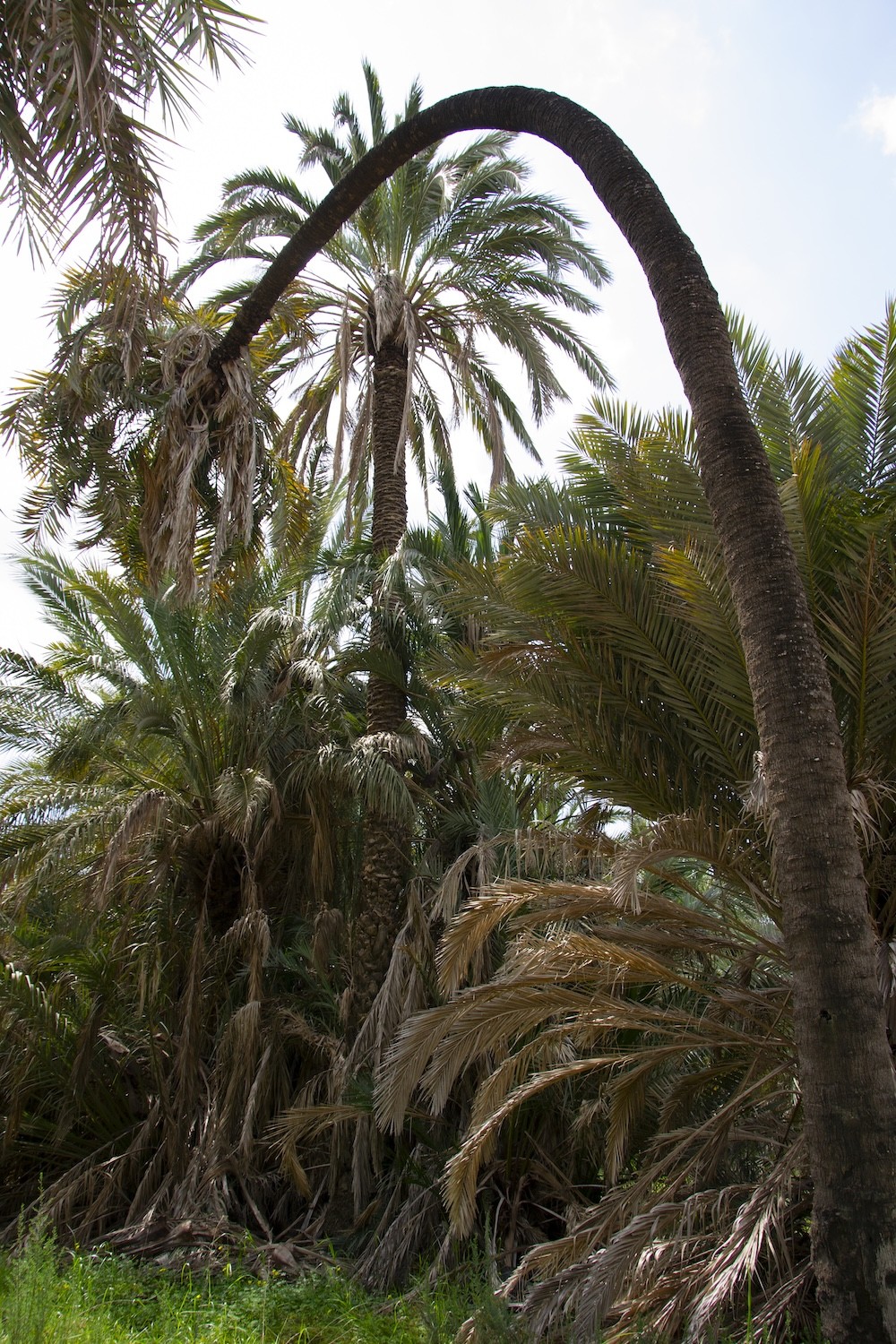
The result was a fortified agricultural city structured around an advanced irrigation system known as the Palmeral of Elche. UNESCO acknowledgment covers only urban huertos (orchards). These consist of some 45,000 date palms spread over 144 hectares. Yet, including the rural palm groves, the number rises to nearly 200,000 palm trees. Although the largest palm grove in Europe has earned international accolades and recognition, threats to its survival are always lurking.
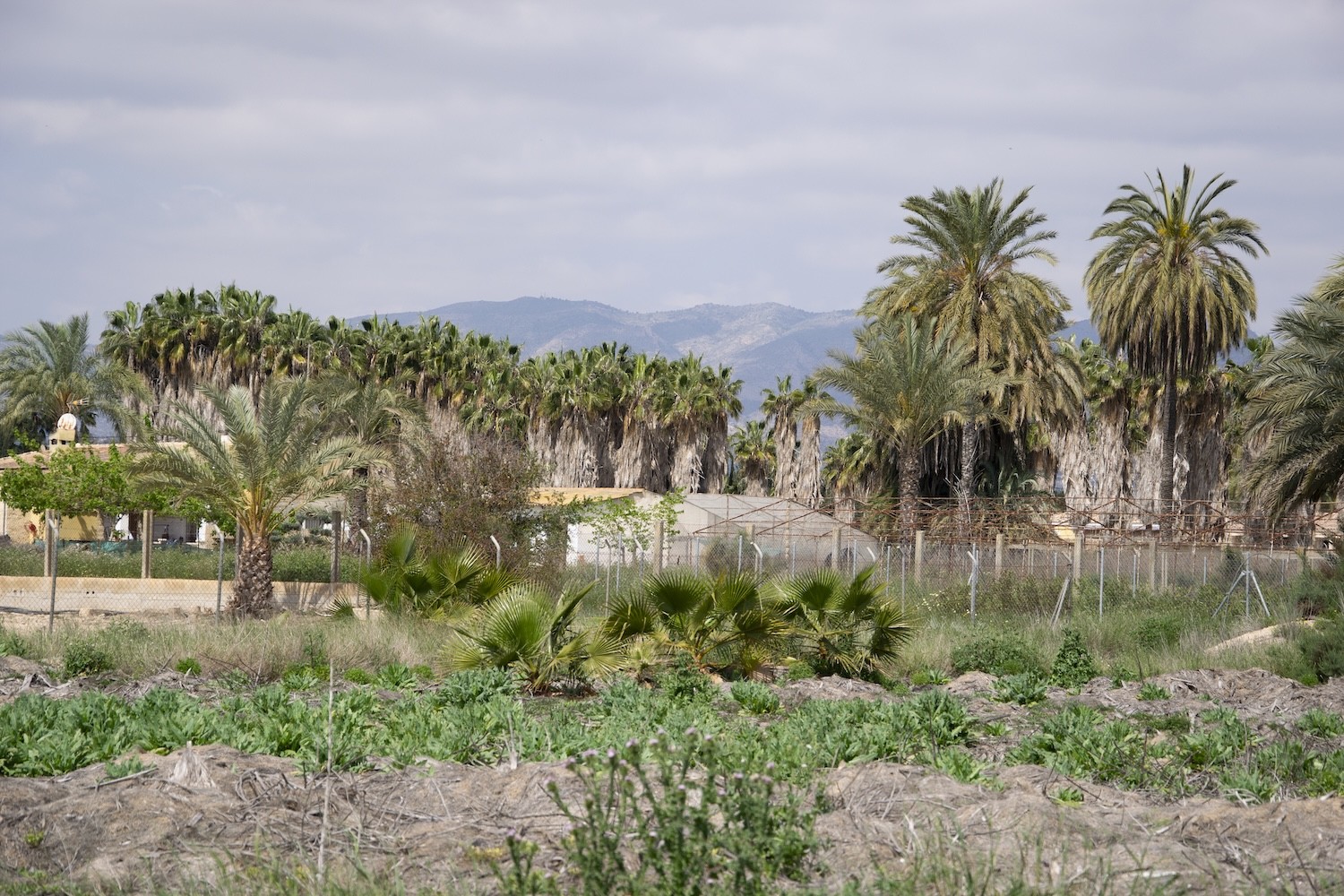
By the late 19th century, a railway line bisected the urban Palmeral. While this development paved the way for Elche’s rise as Europe’s leading footwear manufacturing hub, the urban expansion it triggered—particularly from the 1960s onward—put immense pressure on the palm grove. Homes, schools, and entire neighborhoods were built on land that once formed part of the huertos of the Palmeral. In response, the Law for the Protection of the Palmeral was passed in 1986, followed by the General Urban Plan of 1997, after earlier legal frameworks had proven insufficient. Still, urban sprawl continued unabated.
A Way of Life
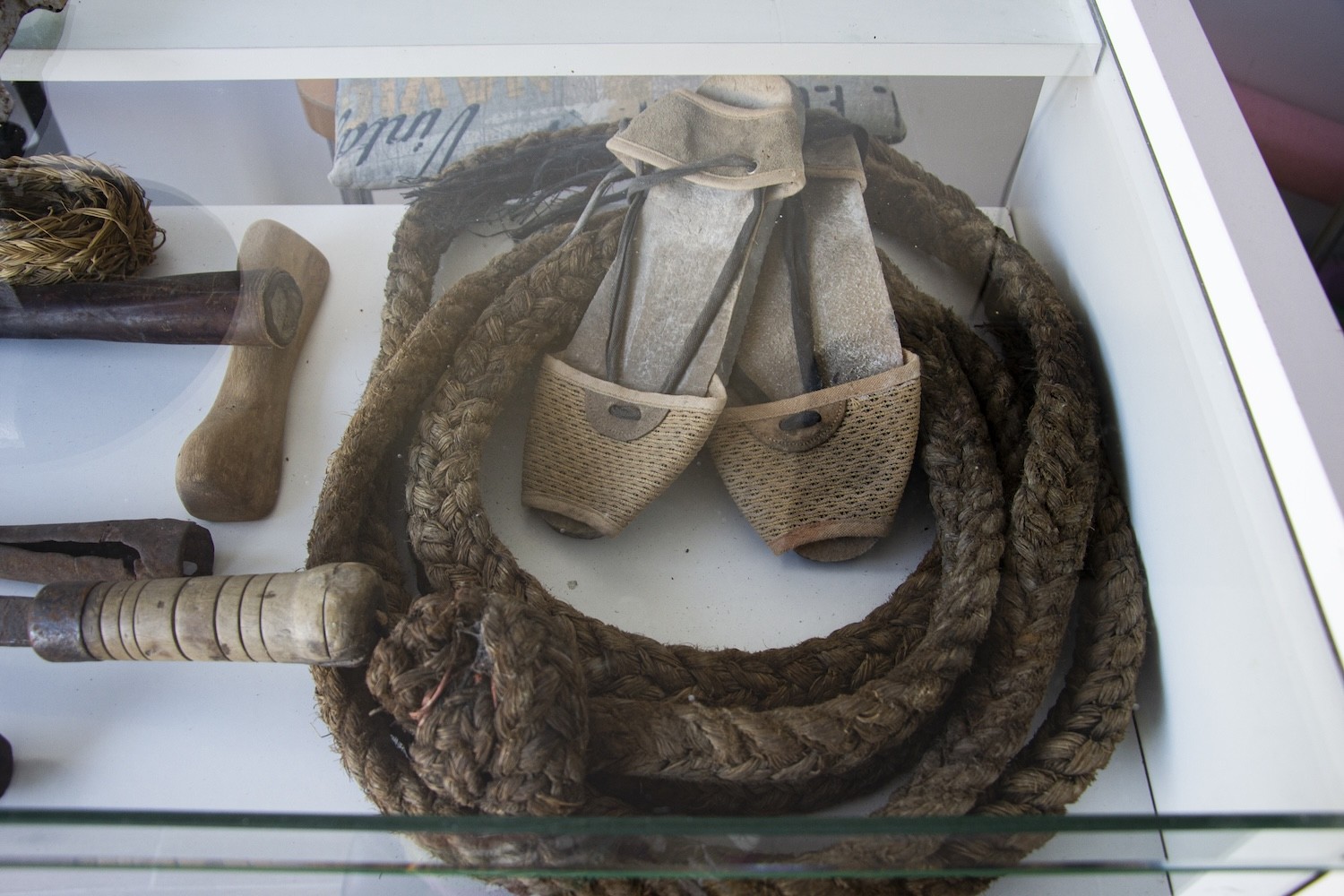
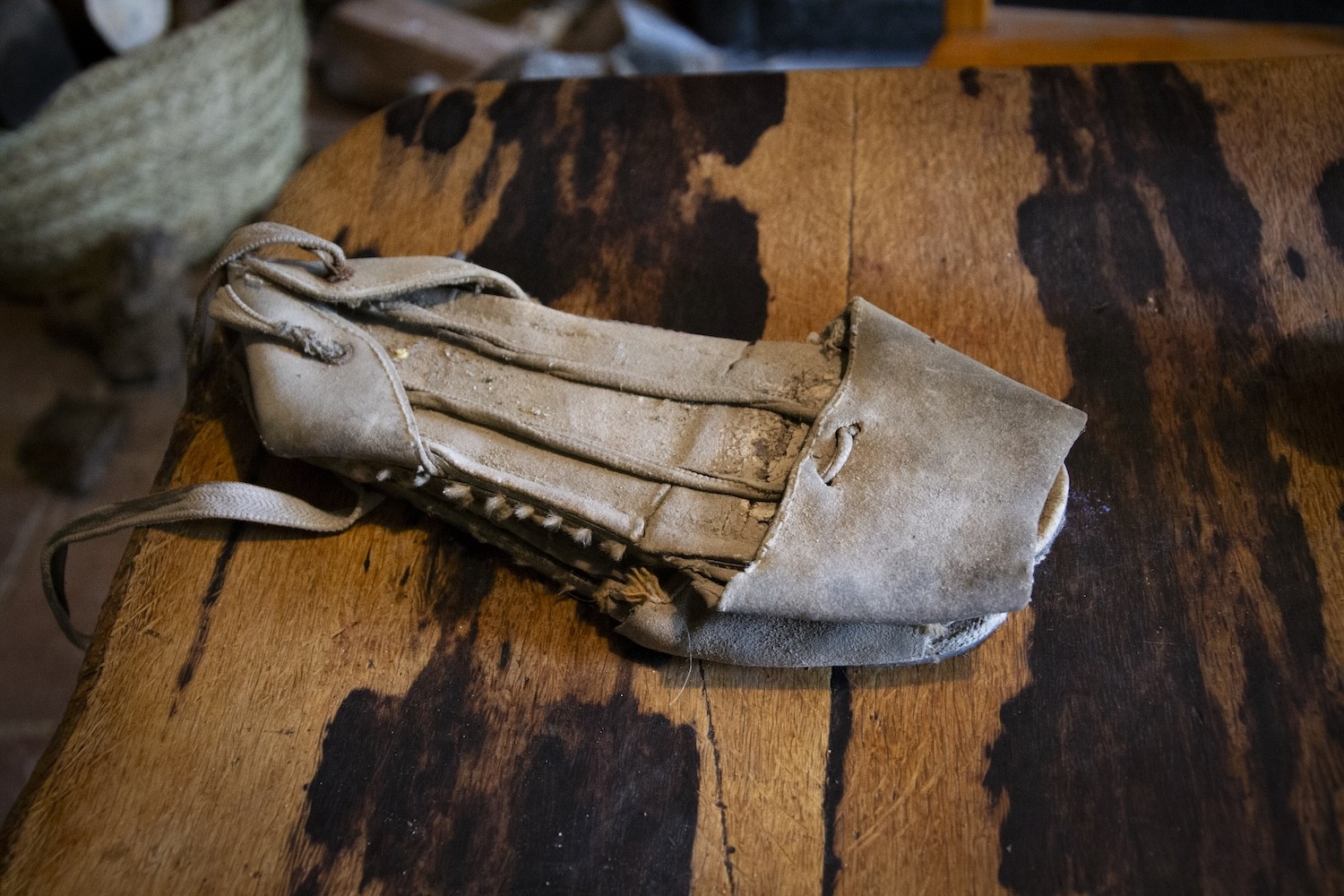
The palmerero craft itself has also undergone remarkable changes over the past 30 to 40 years, recalls Antonio García Soto, a 53-year-old palmerero and member of Apelx: “We used to climb using esparto ropes, barefoot or wearing esparteñas—shoes made from plant fiber. A strip of cloth was all we had to protect our kidneys. Then came nylon ropes with thin steel cables inside.”
García Soto inherited the craft from his ancestors and is now passing it on to his two sons, Alejandro (24) and Toni (20), who work by his side. “In the countryside, agriculture was always practiced hand in hand with the palm trees and all the customs that came with them. It’s always been more than work—it’s a way of life,” he notes.
Such customs are what gave birth to the tradition of the palma blanca (white palm): each year, between late June and early July, palmereros select healthy trees and clean the base of their central shoot—the heart of the palm. They then wrap the top in an opaque sheath to block out sunlight and halt photosynthesis. Within 30 to 45 days, the leaves lose their chlorophyll and turn white. The palmereros harvest them between August and September, handing them over to artisans who transform them into intricate creations for sale or display during Palm Sunday celebrations.
Every participant in this process embodies an irreplaceable craft in the cultural fabric of Elche, and a living testament to the deep bond between these trades and the city’s palm grove.
In the past, palmereros had no safety equipment to protect them from the serious risk of falling. Climbing and pruning tall palms was inherently dangerous. It wasn’t until the early 2000s that safety measures—borrowed from mountaineering—were introduced: harnesses, rope anchors, and climbing boots with hooks.
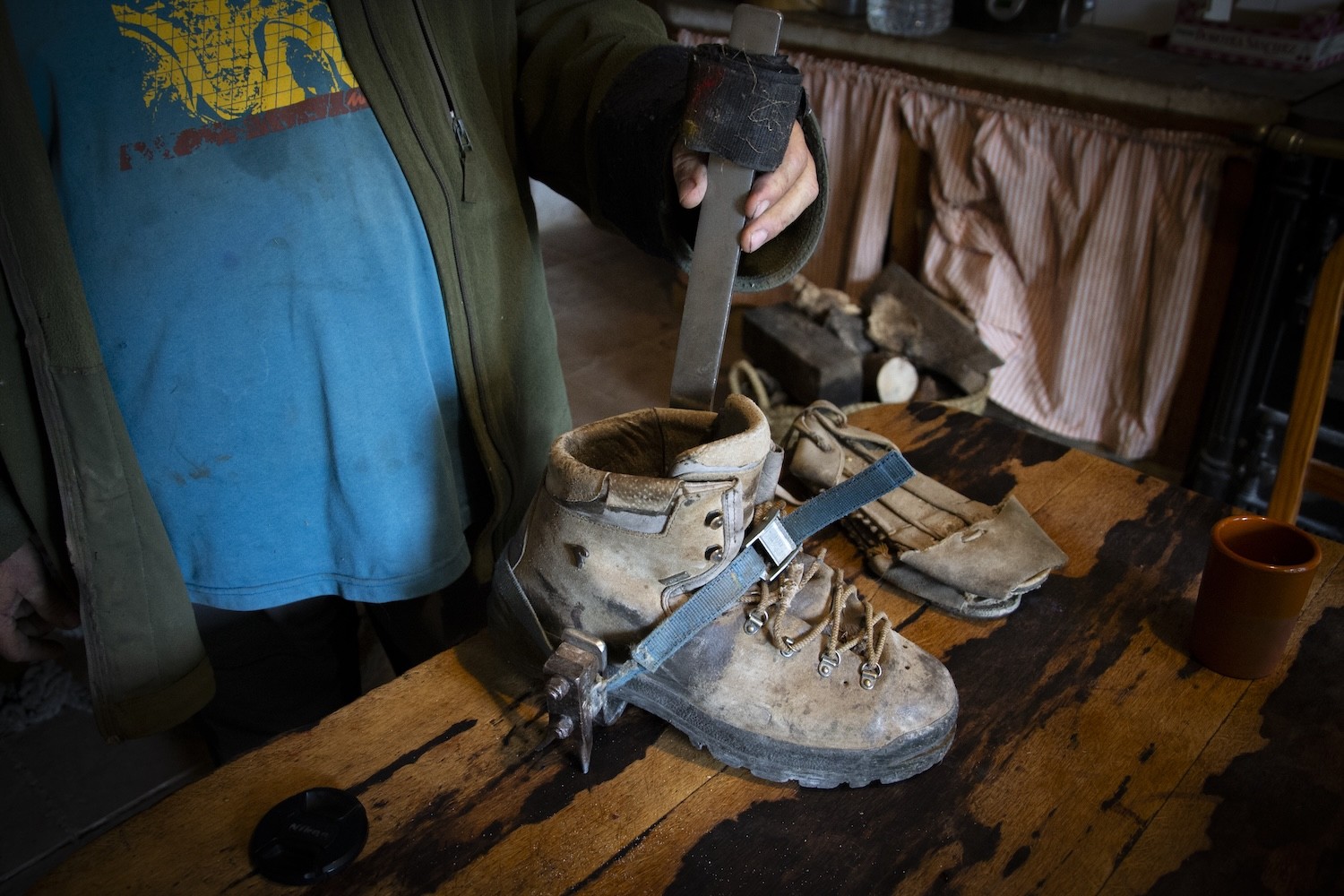
While these systems proved effective, European legislation added extremely stringent safety standards: Directives 2006/42 and 2009/104 of the European Parliament and Council, along with harmonised standards EN 280 and EN 280-2, constitute the legal-technical framework regulating high-altitude pruning. Under this regime, the use of aerial work platforms (AWPs) is mandatory.
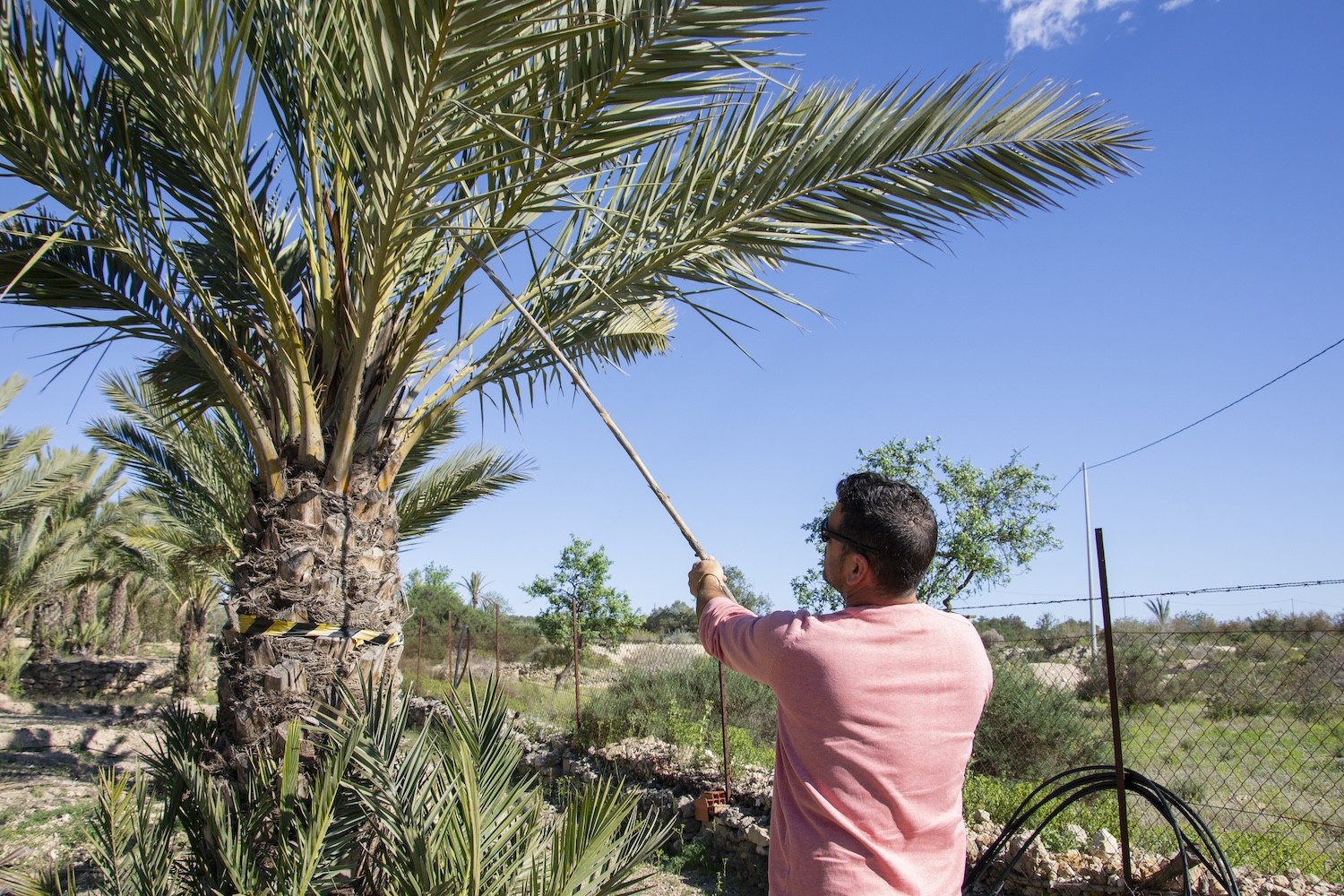
The problem is that AWPs do not always allow reaching the same heights that can be achieved through rope climbing. As a result, the palmereros no longer feel free to perform their work as they used to. This impacts not only the traditional technique of the palmereros, which should be preserved, but also the effectiveness of palm tree maintenance.
According to García Soto’s view, the legal framework is fundamentally incompatible with their practice: “Regulations designed for tree pruning have been applied wholesale to the work we do with palm trees. We’re caught in a legal vacuum,” he explains. “Our trade has a distinct identity here in Elche.”
Regulations vs. Tradition
The European directives—transposed into Spanish national law through Royal Decree 1644/2008 and other regulations, have effectively pushed the profession into a legal grey area. This is because the European directives implemented by the Spanish state include exceptions—that is, it would be possible to climb palm trees using traditional methods where mechanical means cannot be used. However, the law does not clearly define these exceptions.
Moreover, the European directives directly clash with Law 6/2021, which seeks to protect and promote Elche’s palm grove, and explicitly recognizes the palmerero as an Asset of Cultural Interest (BIC, “Bien de Interés Cultural”). This law should, in theory, safeguard traditional techniques. Yet, a specific protection plan (Plan Especial de Protección) that would give the law concrete implementation has been languishing for years, with its approval repeatedly delayed by Elche’s municipal council.
“The city council itself is dismantling our craft,” denounces Campos Rubira sharply. “If the law declares us a BIC, and the administration is supposed to protect us as such, then it’s obvious they don’t understand what ‘protection’ actually means.”
Meanwhile, José Antonio Román Benticuaga, the Partido Popular (PP) city councillor for the environment, acknowledges the impasse: “We’re in a kind of no man’s land. I’m well aware of the palmereros’ demands, but this is national legislation—it’s not within the City’s jurisdiction. We’re trying to establish contact with the Ministry to find a way forward.”
As they await institutional change, the palmereros have begun taking matters into their own hands. They are now campaigning for Elche to be declared a UNESCO World Heritage Site, hoping to include their traditional know-how among the cultural practices deemed worthy of preservation. “With such status, we could go to the European authorities and push for a revision of the legislation—so that platforms are no longer mandatory. Not to eliminate them entirely, but to leave room for alternatives,” Campos Rubira explains, laying out a pragmatic vision.
If successful, this would mark the fifth such recognition for the Valencian town, after those already granted for the Palmeral of Elche, the double Mystery Play of Elche, and the Museo Escolar Agrícola in Puçol.
Grassroots Resistance
Compounding these issues, in 2006, the red palm weevil epidemic—originating in Southeast Asia—struck Elche as well. Between the civic awareness that emerged in the wake of the UNESCO designation and the urgency brought by the invasive beetle, various grassroots organizations sprang up, including Volem Palmerar.
Founded by Asunción “Susi” Gomez in 2008, the association fights for the tangible protection of the palm grove. “Many people see it,” says Gomez, 65, “but they don’t really understand it. They don’t grasp why it’s so important.” A retired biologist, Gomez recalls how, during the outbreak of the insect pest, the municipal authorities mishandled the situation: “They had thought that cutting down trees in large numbers would have been enough to stop the pest from spreading. They acted without any scientific advice whatsoever.”
Fortunately, that experience never reached a level that could destroy the palm grove—on the contrary, it remains vigorous and still holds its primacy. Today, Gomez advocates for the restoration of the Palmeral to its original role: a productive agricultural zone where all the traditional knowledge it embodies is actively protected. It’s a vision shared by the palmereros themselves, like Miguel Ángel Sánchez Martínez, 45. Specializing in date cultivation, Sánchez founded Apelx and later the Association of Date Producers.
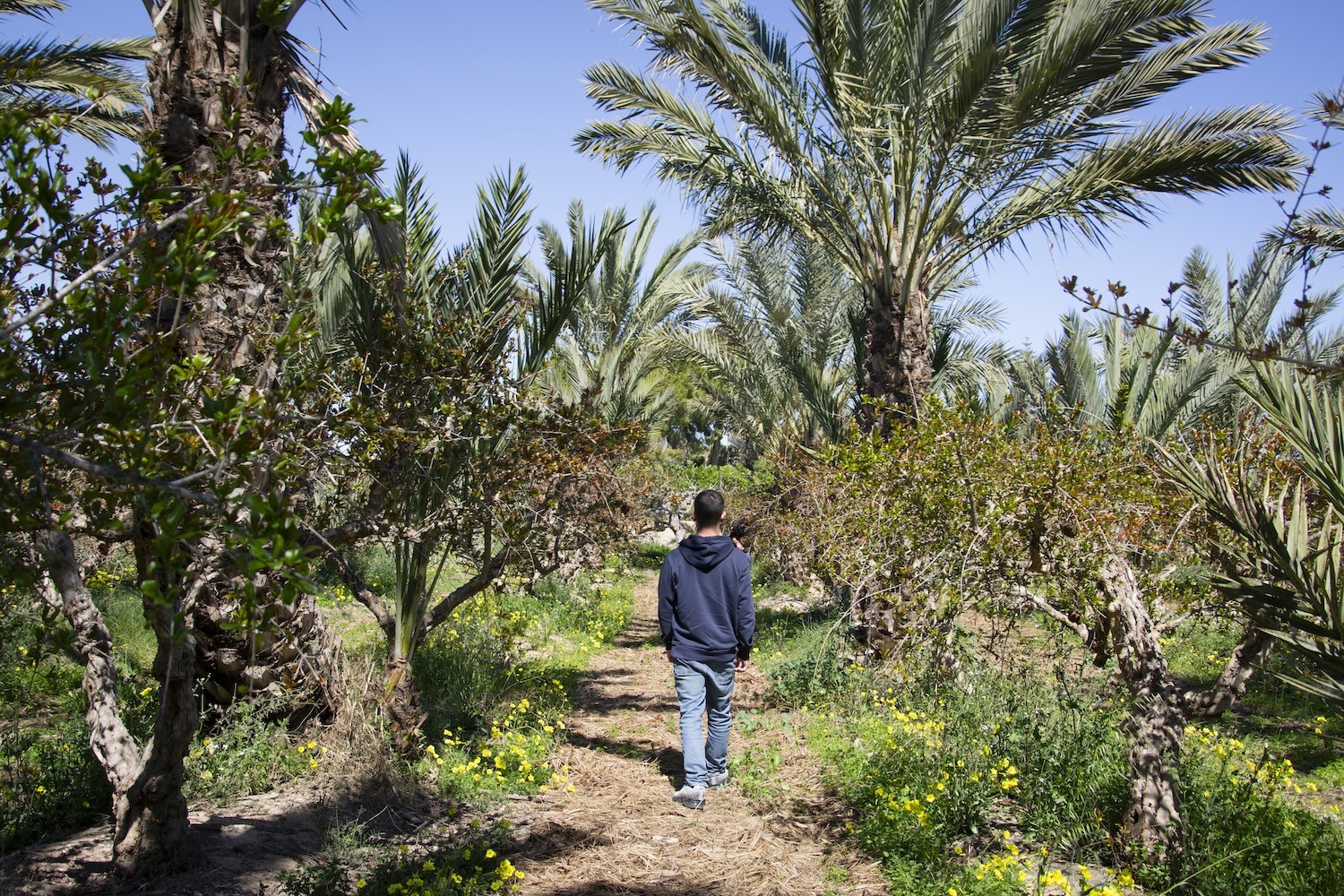
On his extensive estate, he cultivates the local Confitera variety in a plot separate from the Medjoul, interspersing them with orange, pomegranate, and almond trees. In the context of Israel’s ongoing tragic genocide of the Palestinian people, Sánchez shares: “I now have a client with over 100 stores across Spain who used to buy Medjoul dates from Israel. As part of a boycott, they now source their dates from us—and have become our largest customer.” Busy with countless tasks, when asked about the political commitment to the Palmeral, he reflects: “To me, it seems no one truly loves the palm trees the way they should. Palms are the icon of Elche.”
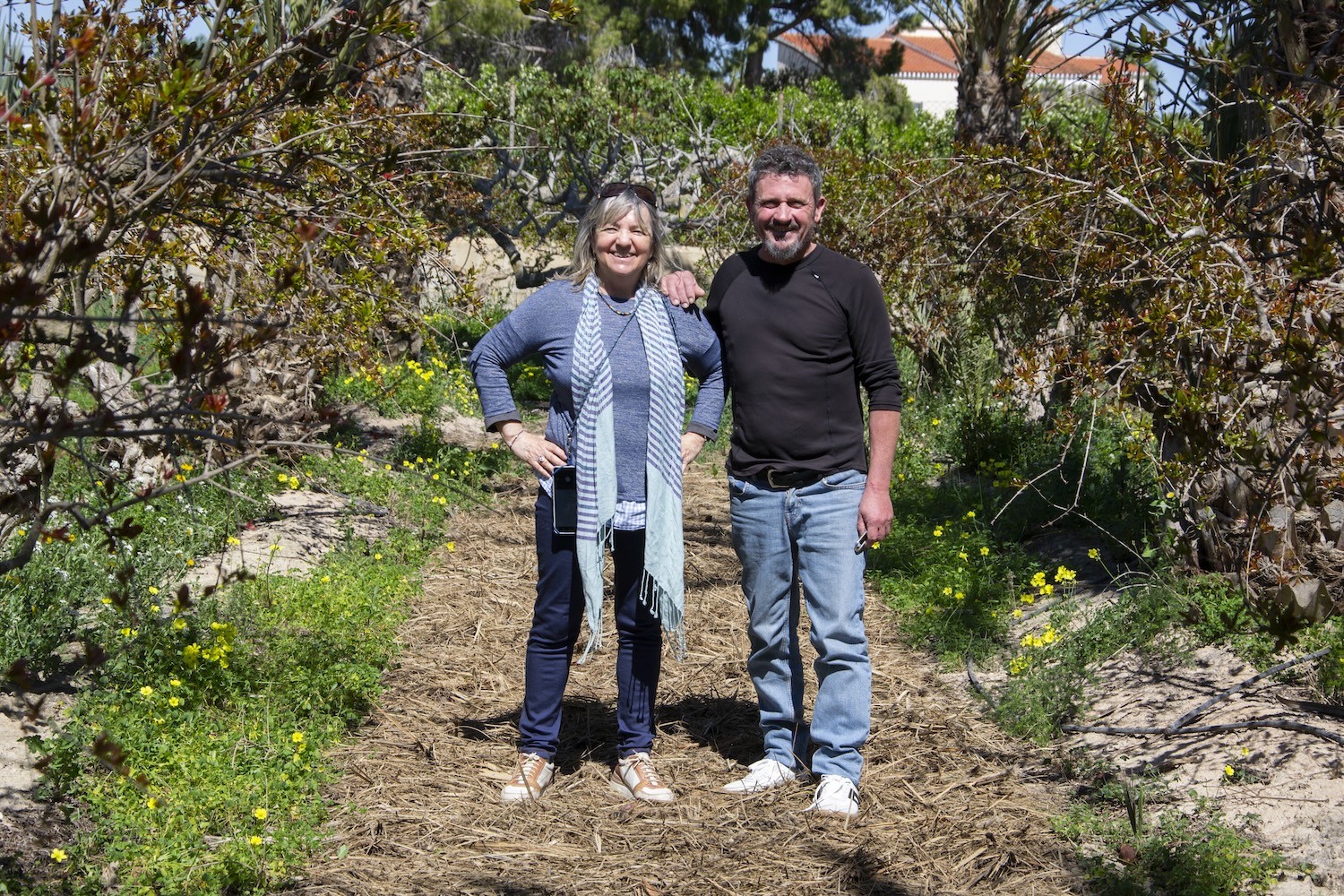
For Antonio García Soto, “Politicians use the palm grove and the palmereros for their election campaigns. They showcase the city’s values, the traditional trades with big banners. But a month later, nothing remains.” Still, the future climbs alongside him. Imagining what it’s like to be atop a palm tree like a palmerero, as the city awaits recognition of its UNESCO designation, his son Toni, shares his feelings: “I like working up high. It makes me feel calm—it gives me peace.”