




Can you imagine walking through your own neighbourhood and arriving at a military checkpoint. You line up to pass through to another part of your own city or your own neighbourhood. When you get to the front of the queue you do not need to pull out your ID and you do not need to engage with the soldier – you just need to look into a camera.
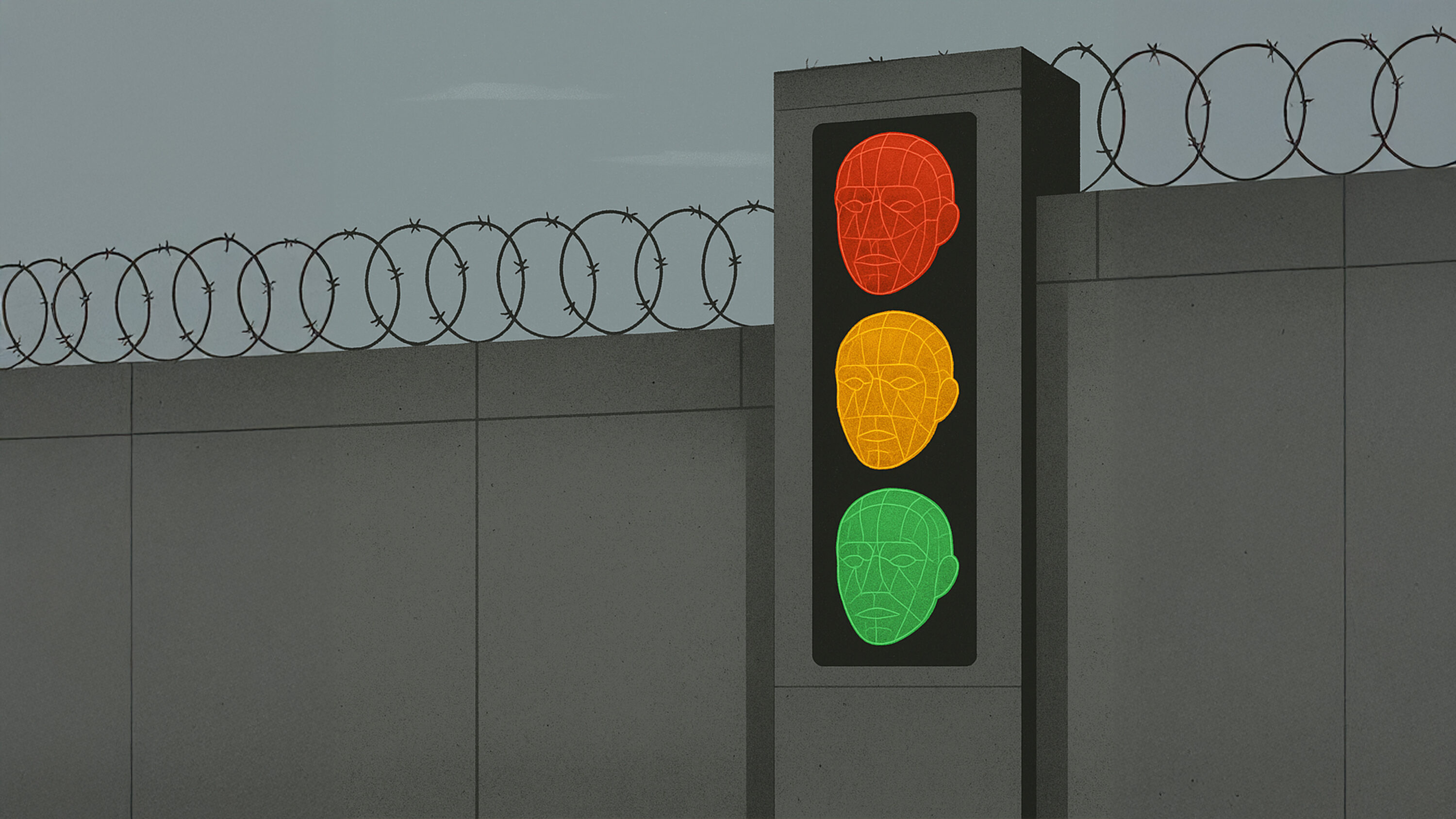
This machine will decide whether you can pass. If it is green you can go ahead and go to work, visit a friend or continue with your evening stroll. If it flashes red, you are turned back or detained, often with no explanation.
For thousands of Palestinians, this is a daily ritual where their lives under occupation are often not even dictated by soldiers or politicians but by an algorithm.
In East Jerusalem and Hebron, cameras line the streets “every five metres” according to a 2023 report by Amnesty International. These cameras are equipped with the world’s most advanced facial recognition technology
“The omnipresent surveillance embodied by these cameras has created an atmosphere of fear, anxiety and repression among Palestinians, further entrenching Israel’s system of apartheid” according to Amnesty.
This new era of mass surveillance over Palestinian lives has led to a system which some rights groups are labelling as ‘automated apartheid’
Blue Wolf and Red Wolf
Across the occupied areas of the West Bank, Israeli soldiers carry smartphones which use a program called Blue Wolf. When a Palestinian approaches an Israeli army checkpoint the soldiers take a photo of the person and wait. Within seconds the app matches the face up against an extensive database which has been collected through the thousands of CCTV cameras across the city.
The app will then light up in green, yellow or red determining whether the person can or cannot pass or whether they should be detained.
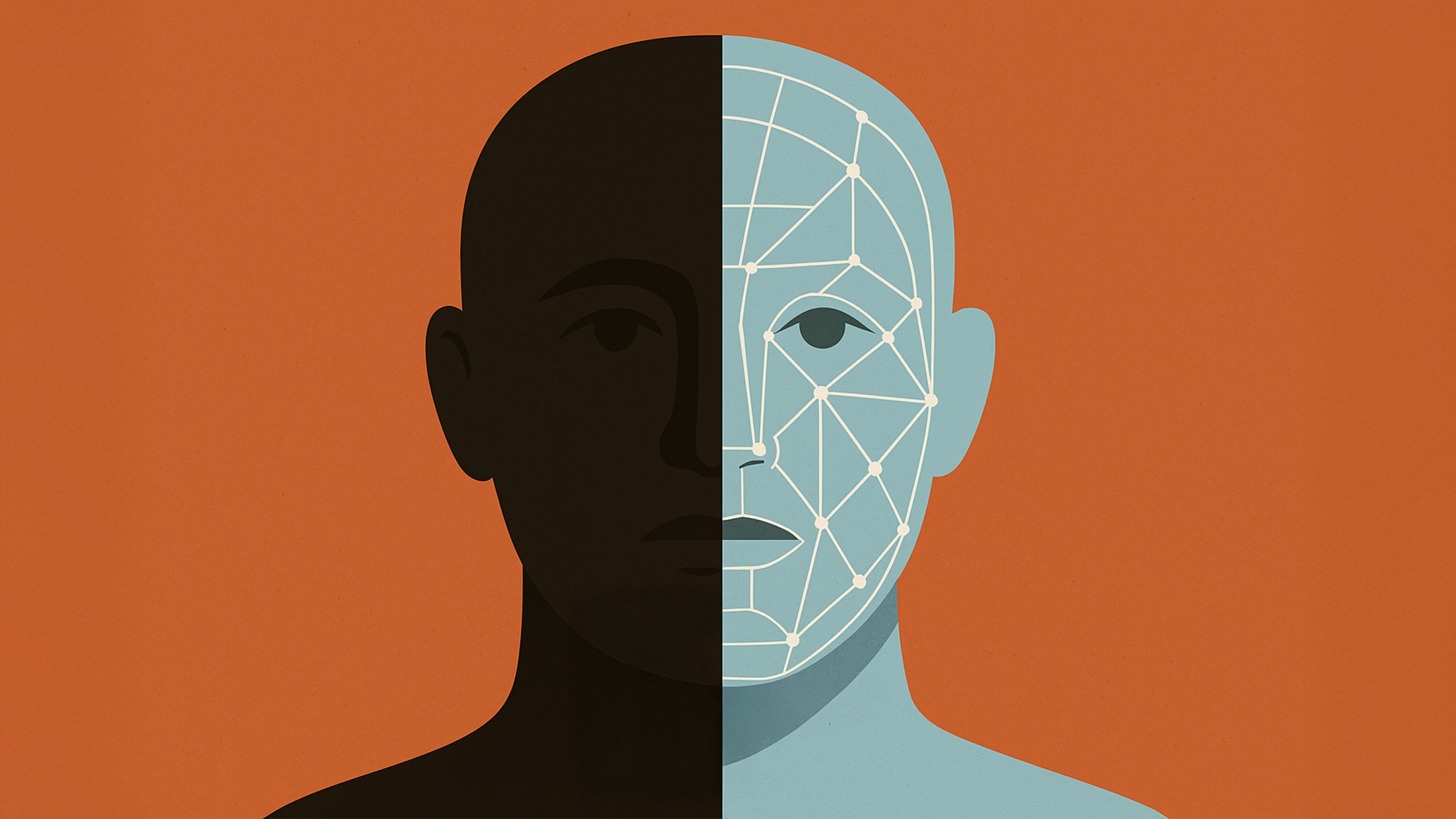
People have been misidentified as dangerous by this algorithm or have been flagged red for being caught on CCTV attending demonstrations, speaking out publicly against the occupation or being in the company of other people considered dangerous – all things which are legal under international law but have led to arrests at these checkpoints, creating a massive culture of self censorship in the occupied territories.
It sounds like a dystopian episode of Black Mirror but it is a very real situation. In an interview with Breaking The Silence, an Israeli veterans group who work to expose some of the crimes which take place in the occupied territories, an Israeli soldier claimed that “The division is running a competition to see who can enter the most new names into the computer”.
According to Amnesty International’s lead researcher on AI and human rights, Matt Mahmoudi, the Blue Wolf app includes leaderboards where units are ranked by their weekly haul of faces uploaded into the system. Soldiers who collected the most were rewarded with perks, including extra time off.
“You’re constantly put into the terrain of no longer treating Palestinians as individual human beings with human dignity” Mahmoudi told The Guardian in 2024. “You’re operating by a gamified logic in which you will do everything in your power to map as many Palestinian faces as possible…Palestinians have become numbers that have either green, yellow or red lights associated with them on a computer screen.”
These systems are only for Palestinians. Israelis moving through the same territory are exempt.
Another system called Red Wolf removes human decision making from this system altogether. It automatically scans the faces of everyone passing through a checkpoint and if a face is not recognised it automatically adds them to the database, completely removing any idea of consent. The act of simply moving around your neighbourhood or city makes you a part of this mass surveillance infrastructure.
Human Rights Watch has warned that Red Wolf represents a new phase of “frictionless occupation” where human judgement is completely removed from the process. A soldier doesn’t need to recognise you or assess who you are, a computer will decide.
Amnesty International’s 2023 Automated Apartheid report claims that soldiers are hesitant to override the computers decision even when they know the person not to be dangerous. One soldier spoke about not letting a long-time neighbour of his pass through after the algorithm flagged them as risky.
Surveillance as Social Control
The daily impact on the Palestinian people brought on by these systems goes far beyond checkpoints. The psychological impact of living under constant surveillance and of having your freedom of movement being at the discretion of an algorithm has profound mental health impacts on Palestinians living under occupation.
Amnesty International’s fieldwork documented how residents avoid social gatherings near Damascus Gate, where the surveillance is heaviest and how activists have abandoned attending protests after participants were later identified and harassed. Mass surveillance “undermines Palestinians rights to freedom of expression, association and assembly” according to the report.
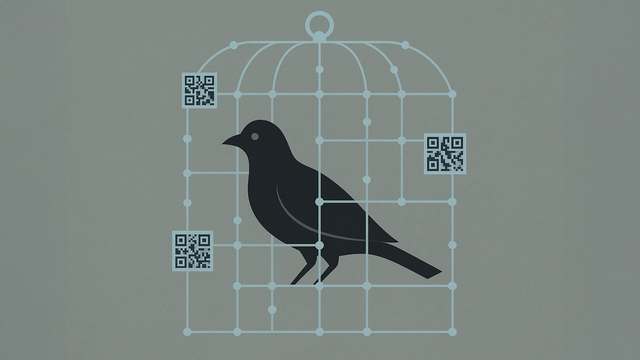
Palestinians have spoken of the mental “exhaustion” they feel living under constant surveillance and about how simply going to the local shop is now a source of stress and anxiety. Many people have compared the lives of Palestinians in Gaza before the genocide as being similar to living in an open air prison due to the fact that they are fenced into a small enclosure and not allowed to leave.
The lives of Palestinians in the occupied parts of the West Bank could similarly be compared to living life in a prison. Under constant suspicion and constantly being watched.
In Sheikh Jarrah, the intensity of the surveillance rose to coincide with renewed attempts to push residents out and bring in more settlers, leading to suggestions that one of the aims of these intrusive surveillance systems is to make life so uncomfortable for Palestinians that it coerces them to leave their areas by their own accord.
Who is Behind These Systems?
There are some quite familiar names behind this mass surveillance infrastructure. Amnesty traced the equipment being used to make the surveillance infrastructure to the Dutch firm TKH Group. In 2024 a Dutch investment fund, ASN Impact Investors, demanded that TKH adopt human rights safeguards or face sanctions within a year.
“Supplying hardware or software that can be used to reinforce apartheid, which is a crime against humanity, must not be tolerated under any circumstances”. Amnesty’s Mahmoudi said at the time.
Hewlett Packard provides much of the biometric systems used at checkpoints. Hikvision, a Chinese manufacturer, supplies the cameras. A recent joint investigation by The Guardian, 972 Magazine and Local Call revealed that Microsoft Azure’s cloud was being used by the Israeli military to intercept and store “millions” of Palestinian phone calls. This has obviously caused huge concern to see one of the world’s biggest tech companies assisting in upholding this system of automated apartheid.
These revelations all underscore the fact that this is not a local system being upheld in isolation by an occupying force but is actually a global supply chain being supported by western investors and tech giants around the world.
The World’s Most Watched People.
This system has led to Palestinians being commonly described as the most surveilled population on earth. Their calls are intercepted, their movements are tracked and their social media accounts are monitored. Many Palestinian lawyers and human rights defenders were also heavily targeted in the Pegasus Spyware scandal in 2021.
In the West Bank, surveillance drones fly overhead and cameras line almost every single street. Military checkpoints and walls dot the cities. It is a dystopian reality that would make even the most far fetched Sci-fi writers blush.
“You no longer feel like a person” one Hebron resident told researchers “you are a file, a face, an entry in a database”
Israel’s Response
The Israeli army has defended these measures as “necessary security and intelligence operations”. In their view this technology can actually reduce friction by minimising direct soldier-civilian encounters whilst enhancing their ability to identify potential terrorists. Supporters of this system argue that if it saves lives, it is justified.
Human Rights groups have countered that this surveillance is deployed selectively and is not neutral. It is integrated into a wider system of segregation and, according to Amnesty, “These systems of mass and discriminatory surveillance violate the rights to privacy, equality and non-discrimination”
Amnesty, Human Rights Watch and the UN Special Rapporteur on the Occupied Palestinian Territories have all described Israel’s system as apartheid which is a crime against humanity under international law. Mass surveillance is a pillar of that system.
Global Stakes
What happens in Palestine is not isolated from the global situation. Much of these surveillance tools, from spyware to facial recognition systems, are being exported worldwide. Police departments in Europe and the United States are now utilising similar technologies on a smaller scale.
Palestine can be seen as a laboratory where these technologies are being tested on a population that has no power to object, before being marketed globally.
This automated apartheid could spread to other countries and be utilised on other marginalised groups. Western governments’ increasing turn towards automated systems and facial recognition technologies makes one beg the question if what is happening now in the occupation of Palestine will soon be the future of policing globally.
We need your support to keep publishing content like this.
Keep UntoldMag alive with the price of a coffee
Palestinians cannot move around their cities without constant reminders that they are not free. They are constantly being watched and have few safe spaces to gather anymore. The system of automated apartheid is not just about an occupying government mistreating a local population but about reducing human beings to data points on a computer.
Dehumanisation is the 4th stage of the United Nations’ 10 stages of Genocide. Israel is currently being accused by a number of international bodies of committing a genocide in Gaza.
The world’s most surveilled people are currently living under the gaze of one of the world’s most powerful militaries and unless global action is taken to ensure that these rapidly advancing technologies are only used and developed in a way that respects human rights, the unblinking eye fixed on Palestine could be turned on the rest of us very soon.