





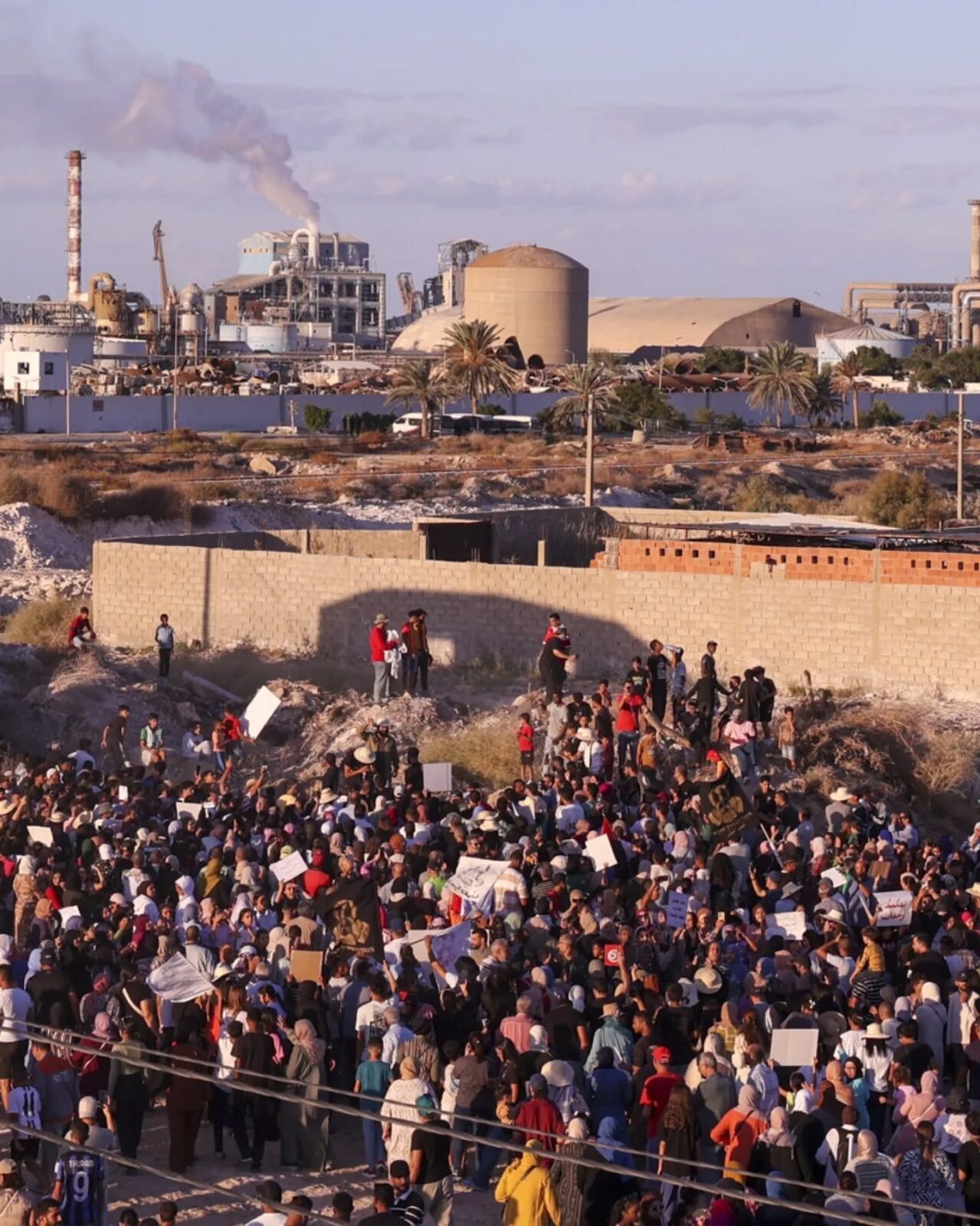
In Gabès, in southeastern Tunisia, the air has taken on a yellow hue for more than fifty years. Since 1972, the factories of the Groupe Chimique Tunisien (GCT) have released toxic fumes generated by the processing of phosphate into phosphoric acid and chemical fertilizers.
The air grew particularly suffocating between September and October 2025, when local authorities reported 122 cases of intoxication and asphyxiation caused by toxic fumes. Gas leaks from GCT’s facilities are widely blamed.
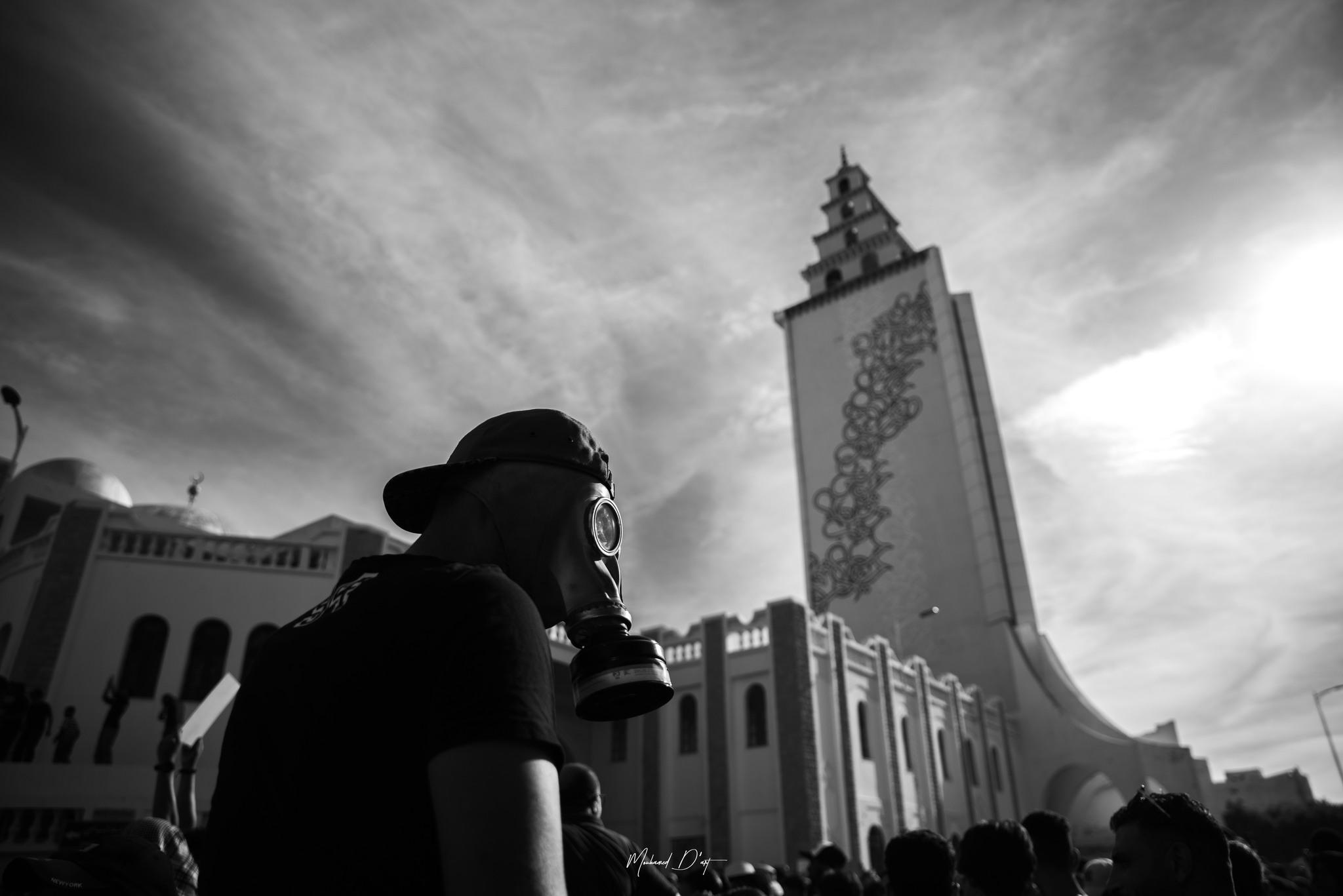
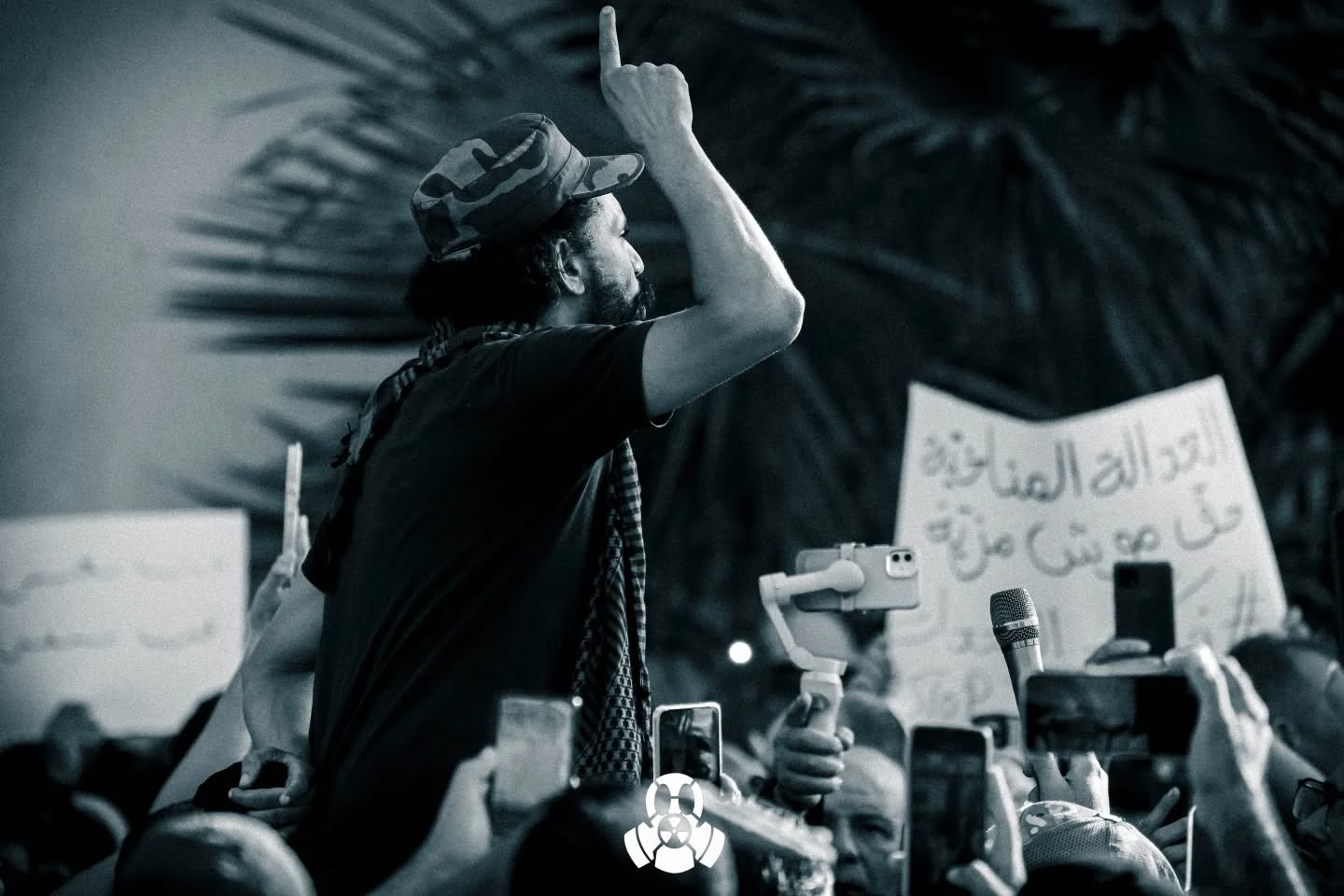
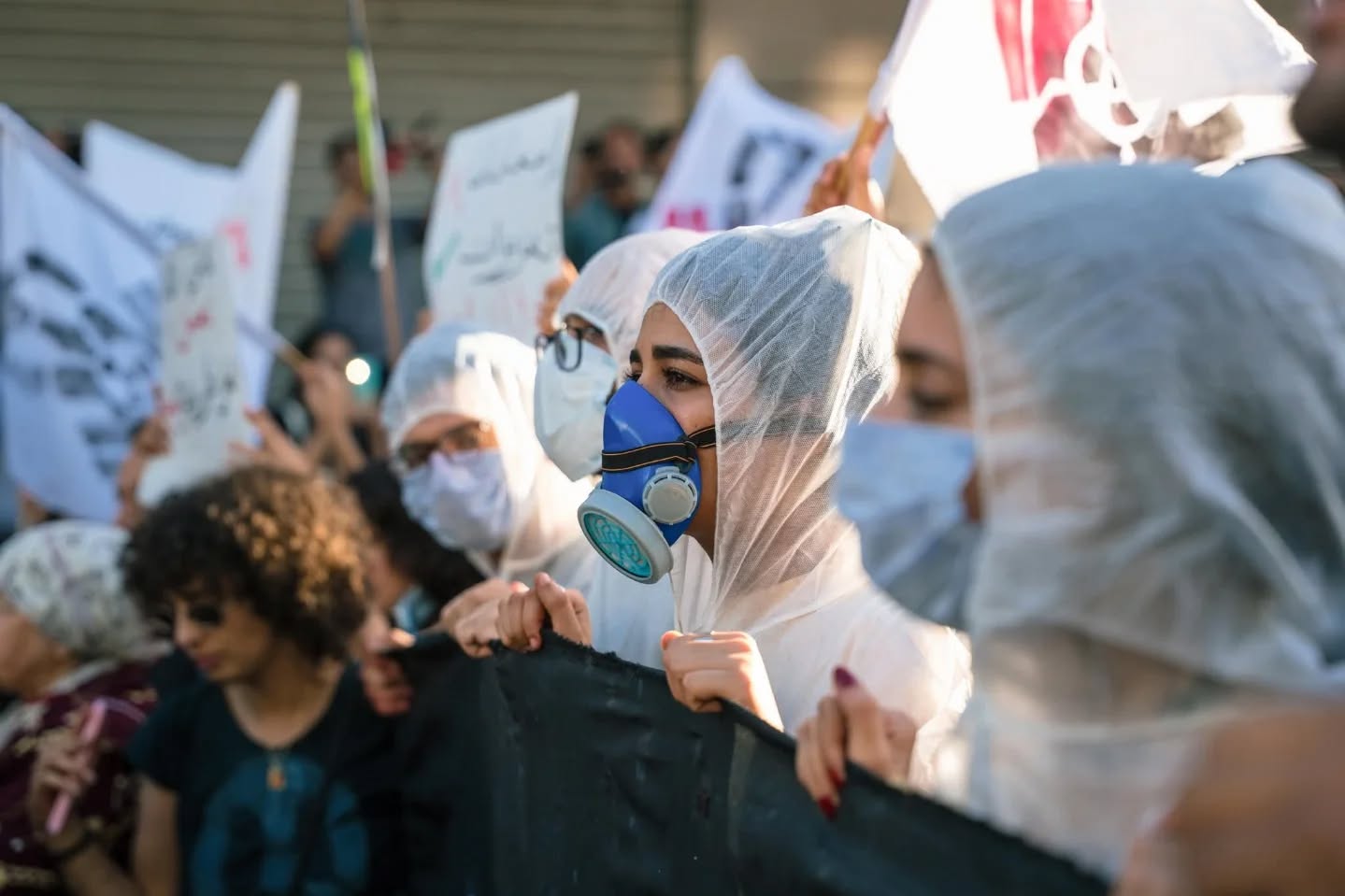
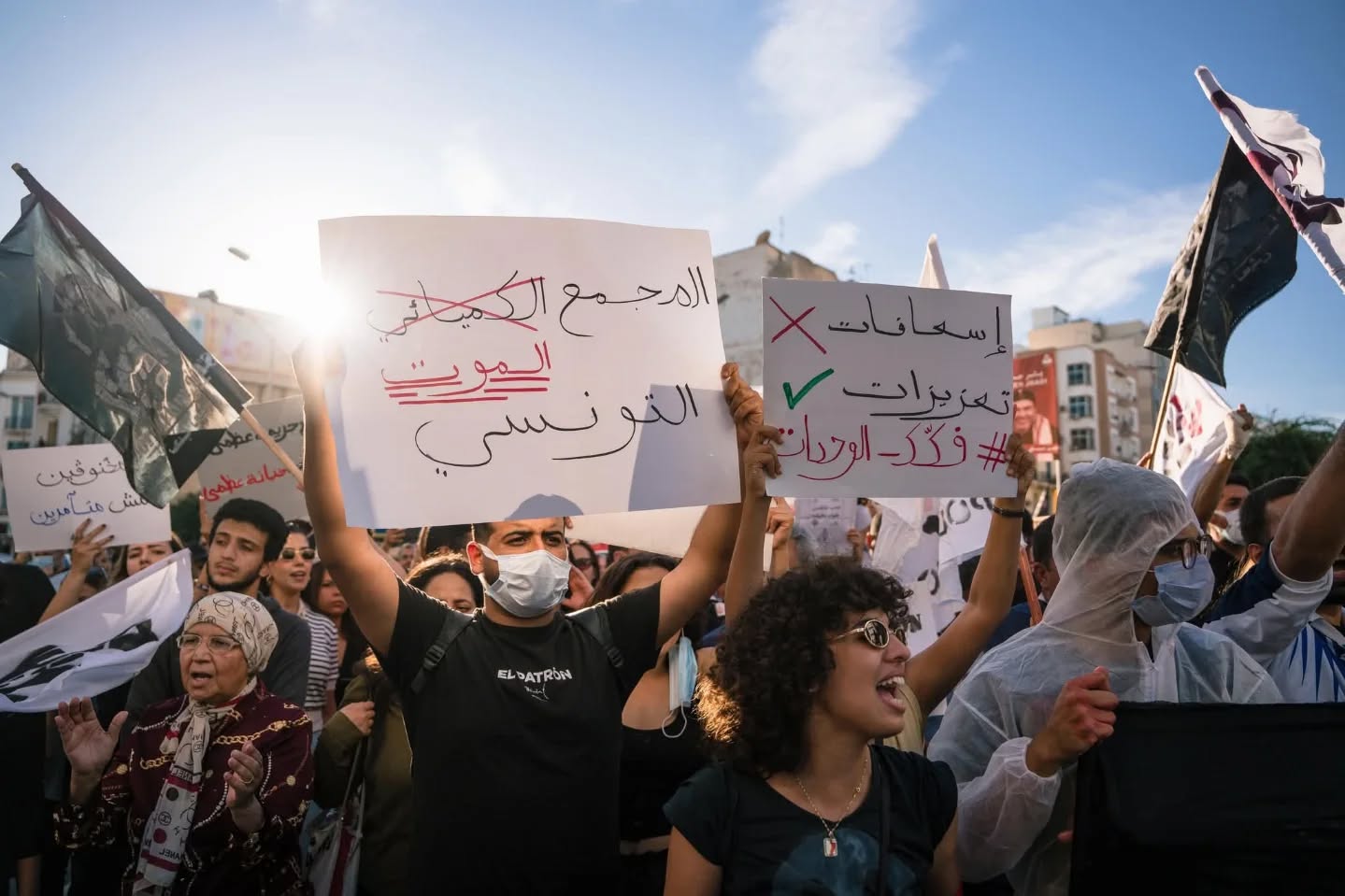
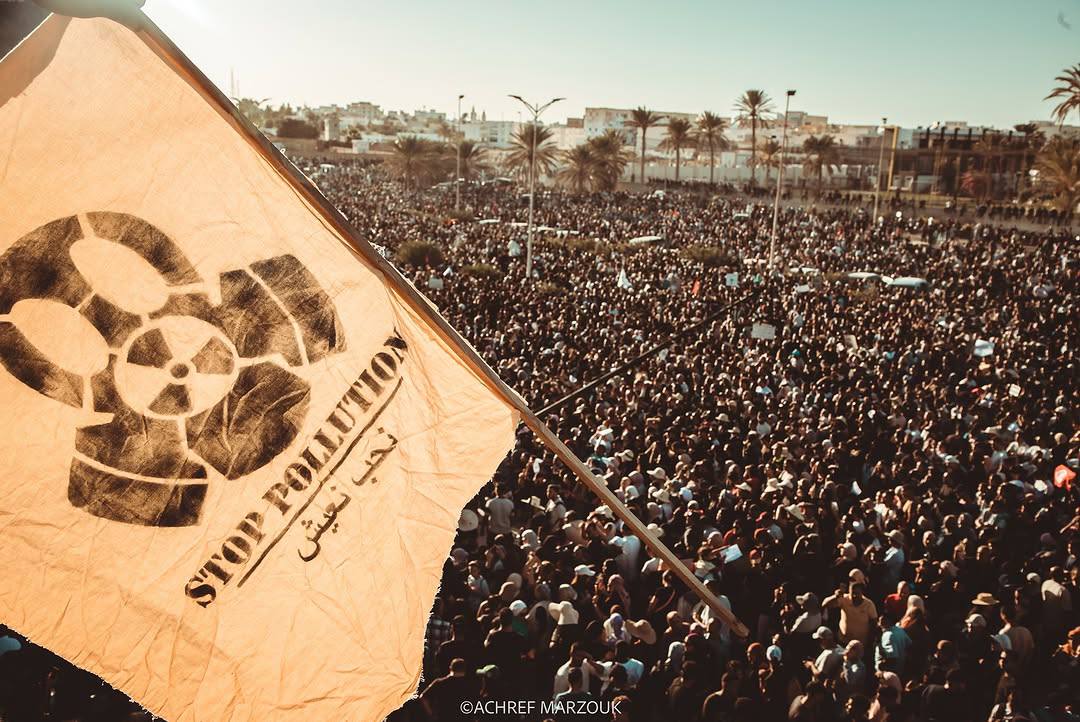
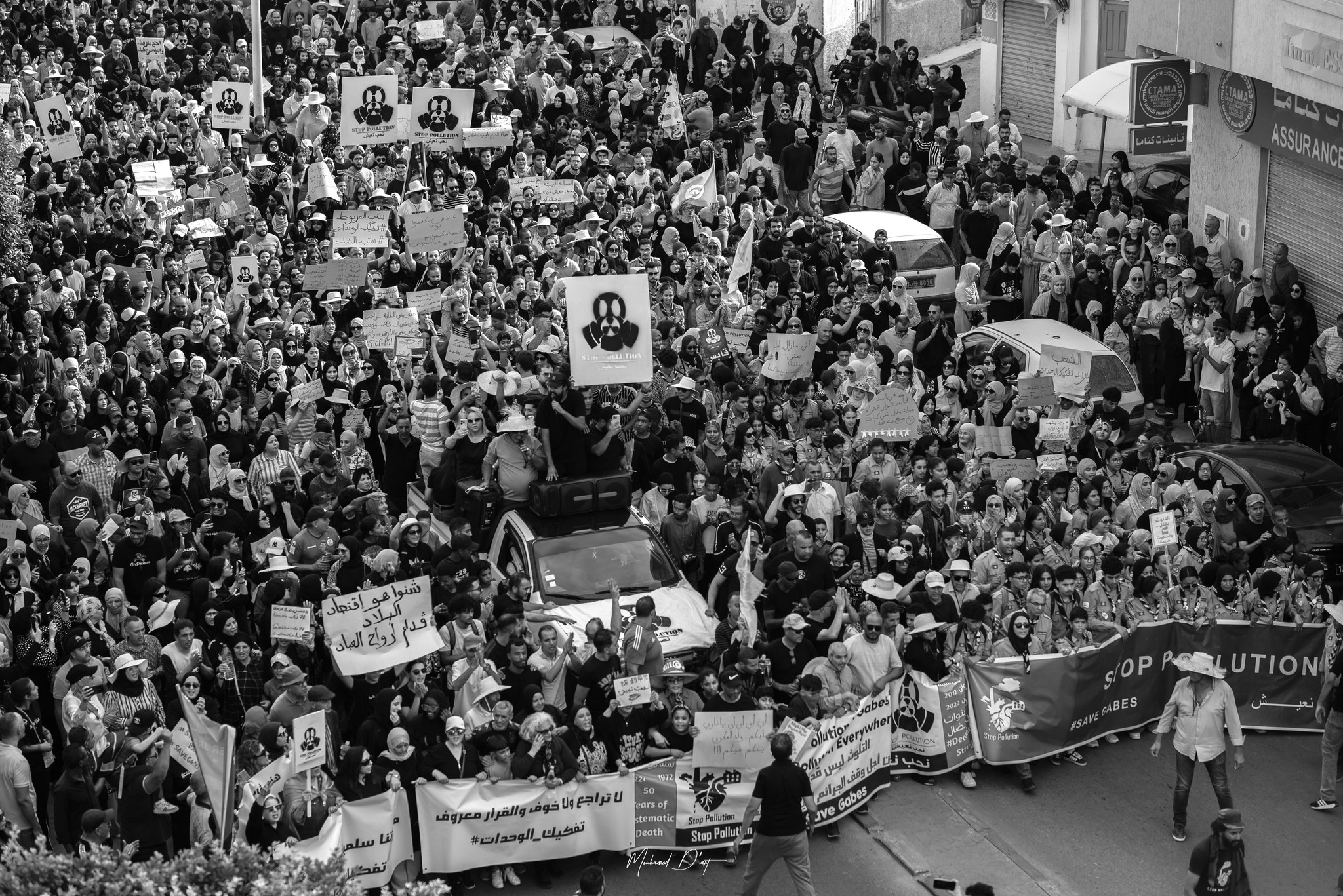
On 15 October, the civil movement Stop Pollution mobilized 40,000 residents for a mass demonstration, followed by a general strike called by the national trade union UGTT, which drew more than 130,000 participants. The city of Gabès has around 150,000 citizens.
The last protest took place on 17 December 2025, the anniversary of the 2011 Tunisian Revolution.
The Little Tunisian Chernobyl
Phosphate, one of Tunisia’s key natural resources, is largely destined for export. In 2023, Tunisia ranked as the world’s tenth-largest exporter of phosphate fertilizers, earning 61.7 million US dollars. The main destinations were Bangladesh, Brazil, France, Italy and the United Kingdom.
Phosphate fertilizers are widely used in intensive agriculture to boost crop yields. The practice can lead to the accumulation of toxic heavy metals such as cadmium in both soil and crops. And if these are the risks downstream, the dangers upstream are far greater. The combination of extractivism and export-oriented production has compromised Gabès as a whole, to the point that it is now dubbed the “Little Tunisian Chernobyl.”
Today, the gulf the city overlooks is polluted by phosphogypsum, an industrial by-product of phosphoric acid production. It is generated by treating phosphate rock—extracted from the Gafsa mines, 150 kilometers from Gabès—with sulfuric acid. Studies have shown that phosphogypsum contains high levels of uranium and radium, both radioactive elements.
Dying Meadows of the Sea
According to a 2021 study by Oréade-Brèche on biodiversity loss in Tunisia, every ton of phosphoric acid produced generates between four and five tons of phosphogypsum. Over the past 25 years, an estimated 70 million tons of phosphogypsum have been discharged into the Gulf of Gabès, contaminating sediments across roughly 60 square kilometers.
Marine flora and fauna have borne the brunt of this pollution. Combined with rising sea temperatures driven by climate change, the contamination is causing the progressive disappearance of Posidonia oceanica, a Mediterranean seagrass that serves as a vital refuge for fish species, crustaceans, and mollusks.
Posidonia also plays a crucial ecological role: it helps prevent coastal erosion and oxygenates seawater by absorbing CO₂. These seagrass meadows account for 10% of the ocean’s carbon storage capacity—twice as much per square kilometer as terrestrial forests.
At the beginning of the 20th century, the Gulf of Gabès hosted the largest Posidonia meadows in the Mediterranean; today, phosphogypsum discharges are estimated to have destroyed around 90% of them. In their place, the invasive alien algae Caulerpa has taken hold.
The disappearance of Posidonia has dealt a severe economic blow to small-scale fisheries, causing losses that exceed the added value of Gabès’ phosphate-processing industry.
Once known for its rich fisheries, the sea off Gabès is now grappling with a drastic decline in fish stocks. Pollution has coincided with industrial trawling by large fishing vessels, progressively stripping artisanal fishers of their livelihoods.
Suffocating Protests
Moreover, as a 2018 European Commission study on the economic impact of industrial pollution in the region illustrates, there is a correlation between rising cases of chronic bronchitis and asthma in the neighborhoods of Ghannouch, Chott Essalem, and Gabès city, and the pollution generated by GCT’s activities.
Air pollution from sulfur dioxide, ammonia, fine particulate matter, and fluorides lies at the root of the region’s cases of intoxication and asphyxiation. According to the European Commission, concentrations of these substances near the GCT plant far exceed both Tunisian and international standards.
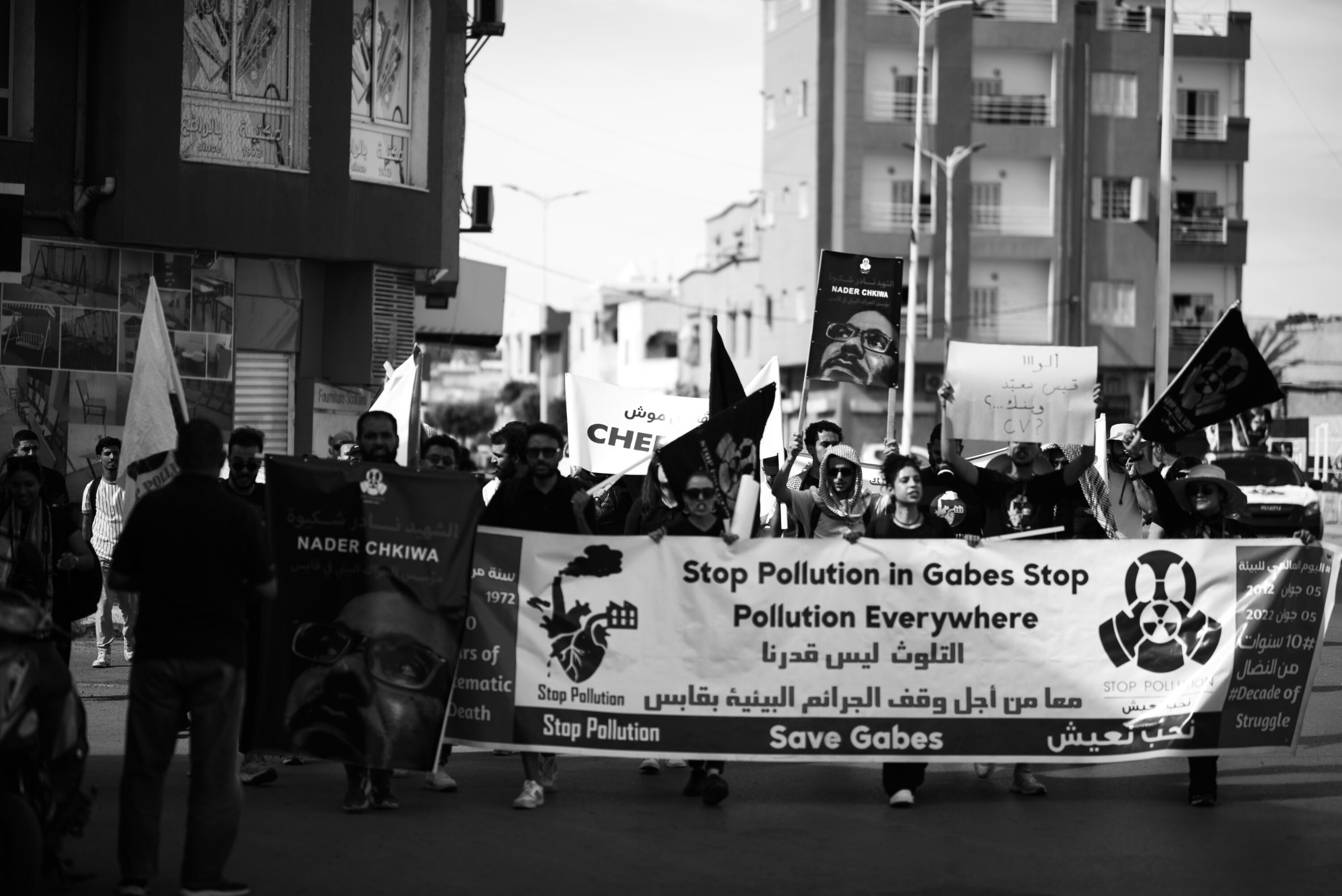
Confronted with this reality, the people of Gabès began to raise their voices. Already in 2012, a group of residents founded Stop Pollution, a social movement demanding the dismantling of GCT’s polluting facilities. Since then, the group has organized protests, raised awareness, and informed the public on issues related to energy transition.
In 2017, the movement achieved its first major breakthrough: then–prime minister Youssef Chahed approved a plan to dismantle the six phosphate-processing units in Gabès and rehabilitate the sites in line with international standards. Yet the decision was never implemented. Instead, the government reversed course entirely.
Last March, the restricted Ministerial Council decided to raise phosphate production from under 3 million tons a year to 14 million by 2030, including expanded transport and processing capacity. The move comes amid a surge in global fertilizer prices. The plan also sets the stage for a pilot unit to produce green ammonia in Ghannouch.
In 2024, Tunisia signed six memoranda of understanding (MoUs) with several European multinationals for the production of green hydrogen. The national green hydrogen strategy sets an annual production target of 8.3 million tons by 2050, with 6.3 million tons intended for export to Europe. This strategy has been supported since 2022 by the German Agency for International Cooperation (GiZ) through the project “Green Hydrogen for Sustainable Growth and a Low-Carbon Economy in Tunisia (H2Vert.TUN).”

The exported hydrogen would be transported via the SoutH2 Corridor, which will connect Tunisia and Algeria to Italy, Austria, and Germany.
Environmental obstacles were swiftly sidestepped: phosphogypsum was removed from the list of substances classified as hazardous to human health.
Meanwhile, Gabès continues to suffer. On 17 October last year, Gabès’ citizens filed a petition before the Gabès First Instance Tribunal requesting the immediate closure of GCT’s polluting units. The preliminary hearing was scheduled for 23 October; however, the examination of the case has been postponed several times.
The next hearing is expected to take place on 12 February. Assisted by the regional section of the Bar Association and the Regional Council of the Medical Association — which will present health data collected in Gabès — Stop Pollution and the people of Gabès have launched an unprecedented legal action. As Amir Ammar, a PhD student in Law, states in Village de la Justice, this is the first class action that “directly targets a major industrial actor (and a public one at that) in order to stop environmental harm in Tunisia.”
To understand what the people of Gabès endure each day—and how upcoming industrial projects could worsen the environmental crisis—we spoke with Aziz Chebbi, researcher in international law and political science, and activist with Stop Pollution.
Nadia Addezio: How have residents’ health and the state of the environment in Gabès changed over the years?
Aziz Chebbi: Since 1972, since the Groupe Chimique Tunisien began operating in the Gabès region, the area has suffered environmental damage across three fronts: air, land and sea. First, marine pollution: phosphogypsum waste is discharged daily into the waters of Chott Essalem in Gabès. These discharges have had a direct impact on the livelihoods of local fishers, many of whom have lost their jobs and been forced to abandon a profession passed down through generations.
Then there is soil pollution: heavy metals in the land around Gabès have severely compromised local agriculture. The region’s emblematic oases have been deteriorating steadily, and farming activities have been deeply affected for more than 50 years. Finally, air pollution has taken a dramatic toll on residents’ health. The area records very high cancer rates, as well as frequent fainting episodes among students, especially in September and October.
Pollution across these three fronts devastates daily life in Gabès, undermining people’s health, their economy, and their dignity. Every day, residents simply aspire to breathe clean air and live in an environment that respects human dignity, as guaranteed by the principles of the Tunisian Constitution.
Between 2012 and 2017, numerous grassroots mobilizations helped secure a government decree—issued on 29 June 2017—ordering the dismantling of the polluting plants in the Gabès region. However, the decree was never published in the Official Gazette by the then-President of the Republic Béji Caïd Essebsi. As a result, the authorities failed to acknowledge the scale of the harm caused by the GCT and neither acted on nor upheld that decision.
Unfortunately, from 2017 to today, no government has shown real political will to enact or advance this measure. No significant progress has been made, leaving residents in a constant state of waiting for a sincere political commitment to environmental justice in Gabès.
NA: How did you respond to the government’s decision to revive phosphate production and remove phosphogypsum from the list of hazardous substances? Do you have any direct dialogue with the government or with the GCT?
AC: For years, the government has failed to consult civil society organizations or citizens when drafting its decisions and administrative decrees. In March 2025, it adopted a measure stating that phosphogypsum would no longer be classified as a hazardous substance, paving the way for its “valorization” and for the creation of a pilot plant to produce green ammonia. Faced with this decision—which we consider extremely worrying—we organized several demonstrations.
Because the announcement came during Ramadan, we held a protest in Tunis in April 2025, followed by a large march in the Gabès region in May. At the same time, we published statements and held several press conferences to spark public debate about these government decisions. We also carried out awareness campaigns among Gabès residents to explain the environmental and health risks associated with these policies.
These efforts culminated in September 2025, a period marked by numerous fainting incidents among students and by heightened toxic emissions from the GCT’s facilities. More and more citizens are adopting our narrative and mobilizing with growing determination toward our shared goal: the complete dismantling of these polluting plants.
NA: The paradox is that the GCT provides jobs. What do GCT workers think?
AC: In reality, GCT workers are themselves residents of the Gabès region, with children who attend local schools. During recent demonstrations, we noticed a significant development: a growing number of workers—through their unions or individually—support our actions and take part in mobilizations on the ground. Recently, there have even been fainting incidents among workers inside the GCT itself.
NA: As you mentioned, there is now talk of a possible green transition for the industrial hub. Among the proposed projects is the production of green ammonia, part of Tunisia’s national energy strategy and its plans for green hydrogen. How is this project perceived in Gabès?
AC: There are two essential points on this issue. The first concerns our refusal, as a social movement, of any new installation within the Groupe Chimique Tunisien complex. Establishing a new entity on that site would mean completely disregarding the citizens’ core demand: the environmental rehabilitation of the Gabès region.
The second point concerns the national green hydrogen strategy, which includes the production of green ammonia. We view this strategy as a neo-colonial dynamic, imposed by GIZ, and designed exclusively to meet German energy needs.
Berlin is seeking to externalize its energy production to countries in the Global South—Namibia, Tunisia, Morocco, Egypt—turning them into suppliers of green energy. Producing green ammonia requires green hydrogen, which demands vast amounts of water and renewable energy. It is an extremely energy-intensive process. Tunisia does possess abundant natural resources such as sun and wind, but these resources should meet our own energy needs, not feed German power grids.
Moreover, Tunisia currently has no real domestic demand for green hydrogen within its industrial sector. If, in the future, industries arise that require it, the decision should be made collectively, through a participatory process involving citizens, experts, and civil society, based on a transparent assessment of benefits and risks. It should not be dictated by a strategy conceived in ministerial offices in partnership with a German cooperation agency that has no stake in Tunisia’s needs or priorities.
This project is therefore not an opportunity but a real threat: it risks worsening the environmental crisis in Gabès, particularly through the seawater desalination projects required for green hydrogen production. The discharge of brine into the sea will have severe consequences for marine biodiversity and for numerous local species already weakened by decades of industrial pollution.
NA: What will be the collective’s next steps?
AC: So far, the public authorities have shown no reaction. In the face of this governmental silence, we will continue our mobilizations and maintain our demand for the dismantling of the polluting facilities in the Gabès region. Residents fully support our actions and share our demands. Every time we call for mobilization, the population responds. We will go all the way to obtain a clear political decision and a concrete response from the authorities, one that meets the legitimate expectations of the region’s inhabitants.
Gabès could be a paradise on earth: the oasis system that surrounds the sea, the mountains and the desert is an exceptional national heritage that must be preserved and valued. Alternatives do exist. Agricultural development, ecological and community-based tourism, and activities linked to the sea can offer new, sustainable job opportunities.
The GCT, by contrast, brings nothing but harm and threats to the environment and health of the Gabès region. The current jobs tied to this industry can be replaced by local, sustainable and non-colonial economic alternatives.