





It’s 3 May, a typical late spring day in the countryside around Anagni. At first glance, it seems like a peaceful place: farmland stretches for kilometres, and a small — but dense — forest lies just beside me. Then, something catches my attention.
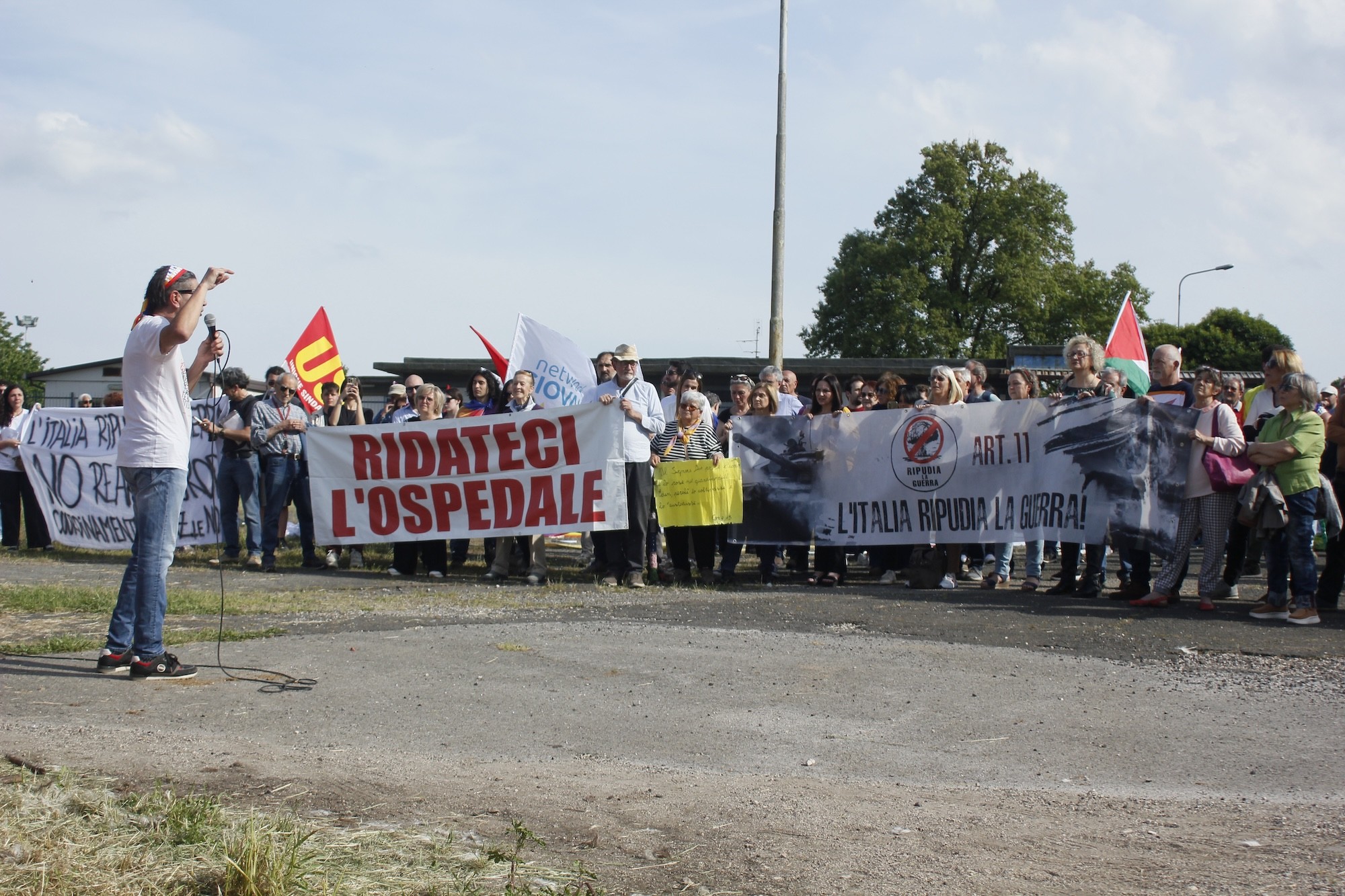
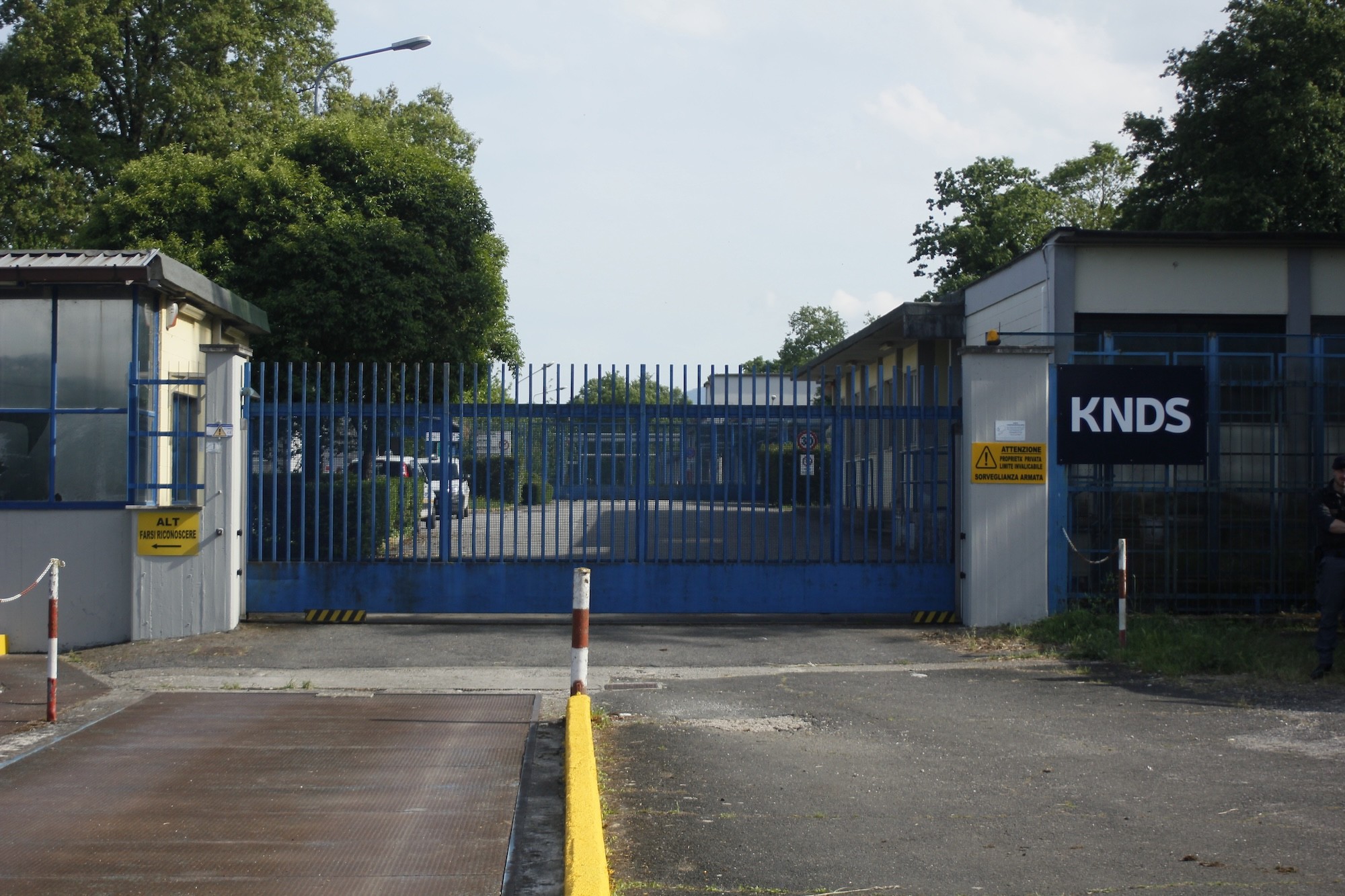
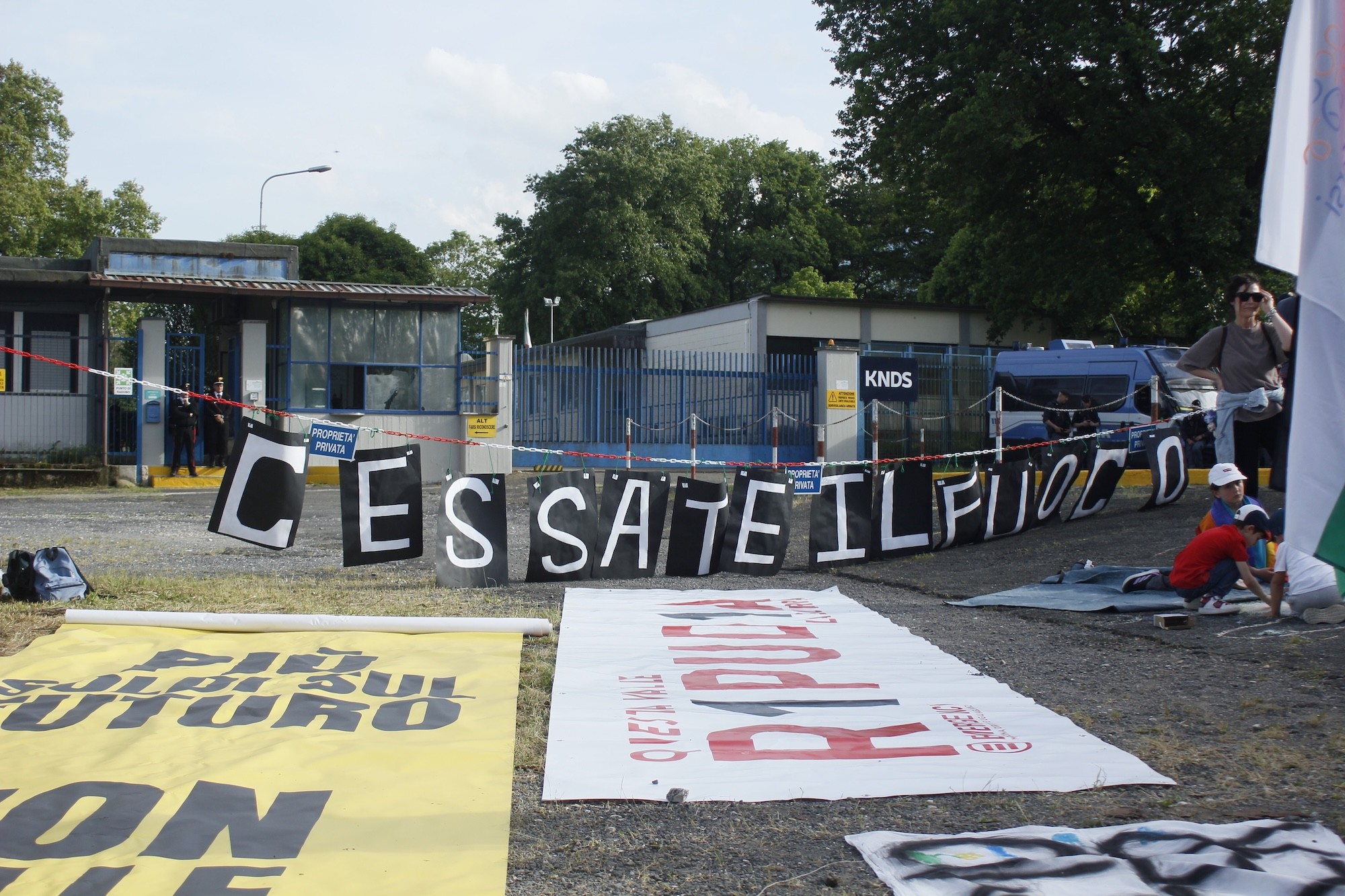
A crowd has gathered in front of the KNDS weapons factory in Anagni — though nobody calls it that. Locals refer to it as the “ex Winchester,” named after the rifles and guns that were produced there from 1965 -the year of opening- until 2001.
The crowd is protesting against an industrial plan by the Italian government and local authorities to place a new weapons factory in an area contaminated for more than a century by chemical and military industries. The Sacco Valley, where Anagni is located, is forced to fight an intersectional struggle: against weapons, for the environment, for health rights, and even for peace in Palestine.
Over the past twenty years, Anagni has become a centre for military waste management, in an area that has grown increasingly economically depressed.
A diverse crowd
The people gathered there come from many different backgrounds politically and socially: Local representatives of trade unions, the left-wing Communist Refoundation Party, and the parliamentary Five Star Movement.
Different generations are united in this fight, too. In front of the factory gates stand people who remember when the industrial district was still prosperous and profitable for entrepreneurs. Then there are those who began fighting for an alternative model of development between the 1990s and early 2000s — now in their fifties — and many in their thirties, a generation increasingly seeing emigration as their only viable option. The Sacco Valley has made them pay the price for decades of unsustainable development. Unlike their grandparents, they have never known real prosperity. Many of them are unemployed.
“A predatory investment”
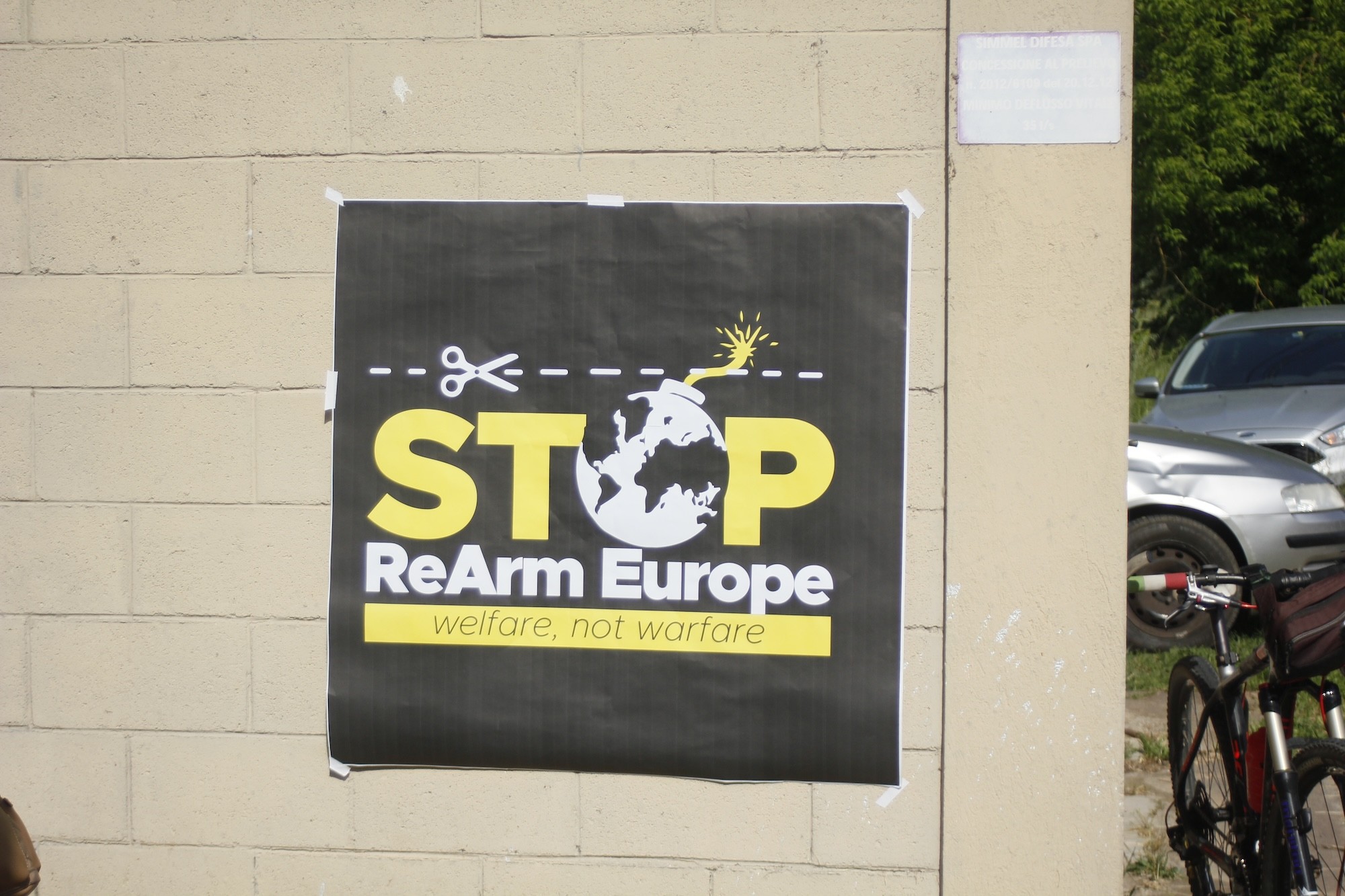
The Winchester factory received generous European financing of 24 million euros. This funding is part of the ASAP (Act in Support of Ammunition Production), part of Rearm Europe, the European plan that has invested more than 800 billion euros in weapon supply and production. KNDS, a German-French joint venture in the defense sector, has owned the ex Winchester for four years, since the merger between Nexter and Krauss-Maffei Wegmann happened in 2021. It’s a joint-venture at 50-50% between Berlin and Paris: the Krauss-Maffei was established in 1863, and was one of the main producers of tanks and bombs during World War II. Nexter is a French group, fully owned by the French agency for State participations. They both want heavier governmental investment in European defense.
This investment, according to Alberto Valleriani – the president of the environmentalist collective “Safeguard of the Sacco valley”- is predatory: “These are highly-automated productions. KNDS is telling us ‘we will invest, to create workplaces’. They lie. By doing so, they aim to divide our society: citizens against citizens, citizens against workers and so on.”
What Anagni needs, according to Valleriani and other protesters, are heavy investments in public health and industrial reconverting. Dialogue is needed, too. “Dialogue with the management of the factory doesn’t exist. We cannot enter there. And even the local administration cannot talk to them”, adds Valleriani. I experienced the same thing: I wrote an email to Bruno Pirozzi, the director of the factory. He didn’t reply.
“There is something dystopian even in the work organisation in KNDS. The engineer and the workers are split in two groups, to avoid any contact and avoid strike. The same applies for the other factories around KNDS: the schedules are made to avoid any meeting in the aftermath of day work”, many people tell me. “This is how KNDS prevents strikes”.
Emanuele Ricchetti, member of the collective Madeinterraneo APS -a group of activists born for the inclusion of the immigrants in Anagni-, explains to me that they are trying to engage in a dialogue with the workers inside the factory towards the trade unions’ representatives. “It’s vital for us to dialogue with people who spend 8 to 10 hours a day in the factory. Willing or not, we need a confrontation”.
Fear of explosions
In front of the gate there’s Lorenzo, too. He’s an activist, and he explains to me what are the fears of the protesters: “the risk of accidents during the transportation of the nitrogelatine and the ammunition is really high. And we have a highway just close to the factory: what if there was an explosion?”
This scenario is not concrete just outside the factory: in 2007, an incident inside the KNDS of the town of Colleferro, few kilometers away from Anagni, killed an employee and injured 13 others. “There were other incidents in the following years, but just the one happening in 2017 was covered by a press release. Most of them were hidden by the management”, Valleriani tells me. Antonio Caporilli, another activist, adds that they heard about two others in 2014 and 2024 by the workers of the factory, but no official statements were released by the enterprise.
But that’s not the only problem. “In case of an incident, we have a backup plan: we should go to the hospital in Anagni. Shamefully, it has been closed since 2012”, Lorenzo tells me. The emergency plan was elaborated in 2012, and there has been no updates since then. The other hospitals in the area (Colleferro and Frosinone) are heavily underfinanced. And so, an effective emergency plan seems difficult to elaborate, for the moment.
Health issues
But weapon production is not the only problem the population is facing. “In my personal experience, it is hard to find a family with no siblings that developed tumors. We know what’s going on and it affects the collectivity, directly or not”, Francesca Fiorletta tells me. She studies medicine in Rome. “The most frequent illness is breast cancer. Then, many develop similar issues with their testicles, liver – or ovaries, according to epidemiologists”. The project SENTIERI, from the health institute in Italy, documented an increasing mortality caused by tumors to stomach, liver and lungs.
The contamination in Anagni affects the blood, too. The monitoring project Indaco found severe blood pathologies for people aged 0-19 years. Here, the water consumption is limited, because of the severe pollution. But still, many people have their own well, because of a certain “rural wisdom”, which puts self-sufficiency as a key value.
By looking at the fields behind the factory, one cannot think that this is a highly polluted area, but the toxic particulate matter -a mixture of solid particles and liquid droplets found in the air- is a serious issue, too. “Someone who lives in Anagni has 67% more possibilities to develop heart issues, compared to the national average”, Francesca tells me. Same for asthma and Chronic Obstructive Pulmonary Disease (COPD).
“Many people in the area suffer from thyroid issues, 21.4% of the general population, according to the epidemiological monitoring program INDACO in 2022. They figured out that they had some pathology only in old age,” Francesca tells me. In fact, Anagni is one of the most contaminated areas within the SIN (National Interest Site): having more accurate and localized data would be crucial for preventing cancer here.
“2.4% of the population developed auto-immune illnesses, according to INDACO. The incidence increases especially for lupus, rheumatoid arthritis and intestinal inflammation”, adds Francesca. “I see this everyday: as a student and a future doctor, I always try to be updated about what’s going on here. I need to be ready, one day my turn to assist the community will come”.
A century of death factories
The Sacco Valley, the area where Anagni is located, is deeply contaminated because of a long chain of bad decisions. The area, especially the neighbouring town of Colleferro, witnessed an intense industrial development between from 1912 until the 1980s. “My father worked as a labourer in the factories in this area”, Valleriani tells me. “It was a great means of social redemption, at that time”.
Fiorletta’s family experienced the consequences of this firsthand: “We are not originally from here: my great-grandparents arrived from Tuscany in the 1940s, to work at the factory”. That’s why all her neighbours haven’t an “Anagnine” surname: they are mostly of Southern Italian ancestors.
Her great-grandfather started immediately to work in the weapon plants, her mother in the chemical industry. Their story is deeply melancholic: when her grand-mother was two, her great-grandfather died because of an incident at the ex-Polveriera, a factory producing gunpowder in Anagni. It was owned by the Bombrini-Parodi-Delfino, the first industry of weapon production, established in 1912. “He was cleaning the basin for the production of the explosive. They didn’t follow the security protocol, and my grandmother received a pension that wasn’t enough to survive”. It was 1943. The great-grandmother, too, lost a finger during her work.
But the area of Colleferro and Anagni was a center of massive and complex industrial development, starting from the 1950s. Italy itself heavily invested in subventions to this district. That’s why the chemical almost entirely replaced the military industry.
But, since the end of the 1980s, the industry started to run slower. However, pharmaceutical, military and chemical industries continued to dump their industrial wastes in the river Sacco and to bury them. It was mostly lindane, an insecticide. “I remember, up to 2000, seeing some white foam in the river. Nobody really cared”, Valleriani tells me. In 2005, some analysis of the milk produced in that area found a massive concentration of ß-HCH (Beta hexachlorocyclohexane), a cancerous molecule.
Anagni became a Site of National Interest (SIN), an area where an environmental emergency is declared by the national government itself. What this meant first, was limitations on water consumption -water is one of the main means of contamination, both by skin contact and drinking- as well as for meat and cheese consumption.
“Now, there are many industrial appetites”, Valleriani tells me. “And they are backed by the local politics, which wants to reduce the area of the SIN”. To be fair, the area after Anagni is less contaminated than 20 years ago. The agricultural industry, another lobbying force in the area, asked for a redefinition of the SIN as well. “We are not opposed to this, in principle. But this should be done carefully”, Valleriani says. Anyway, Anagni will not be affected by this redefinition: the level of contamination is still one of the highest in the area.
“Recently, another foam phenomenon was recorded in Sgurgola, around 10 kilometers away from the town, along the Sacco River. That’s because people dumped waste unpunished, especially from the industrial area in Anagni”, Valleriani tells me. “Nobody is accountable. You cannot check what’s the origin of the pollution, once it’s in the river”.
Installing a weapon factory in the area can potentially cause new contaminations in the soil. “To be fair, we’ve never recorded such contamination. But we can’t verify anything directly- factory access is restricted. And, if inspection permits arrive weeks later, it’s easy for everything to appear in order for an inspection”, Valleriani tells me.
The nitroglycerin and nitrogelatin themselves, if not properly disposed of, can heavily contaminate the aquifers. In a situation where the water consumption is already limited, one can ask how all of this can get worse.
Palestine matters
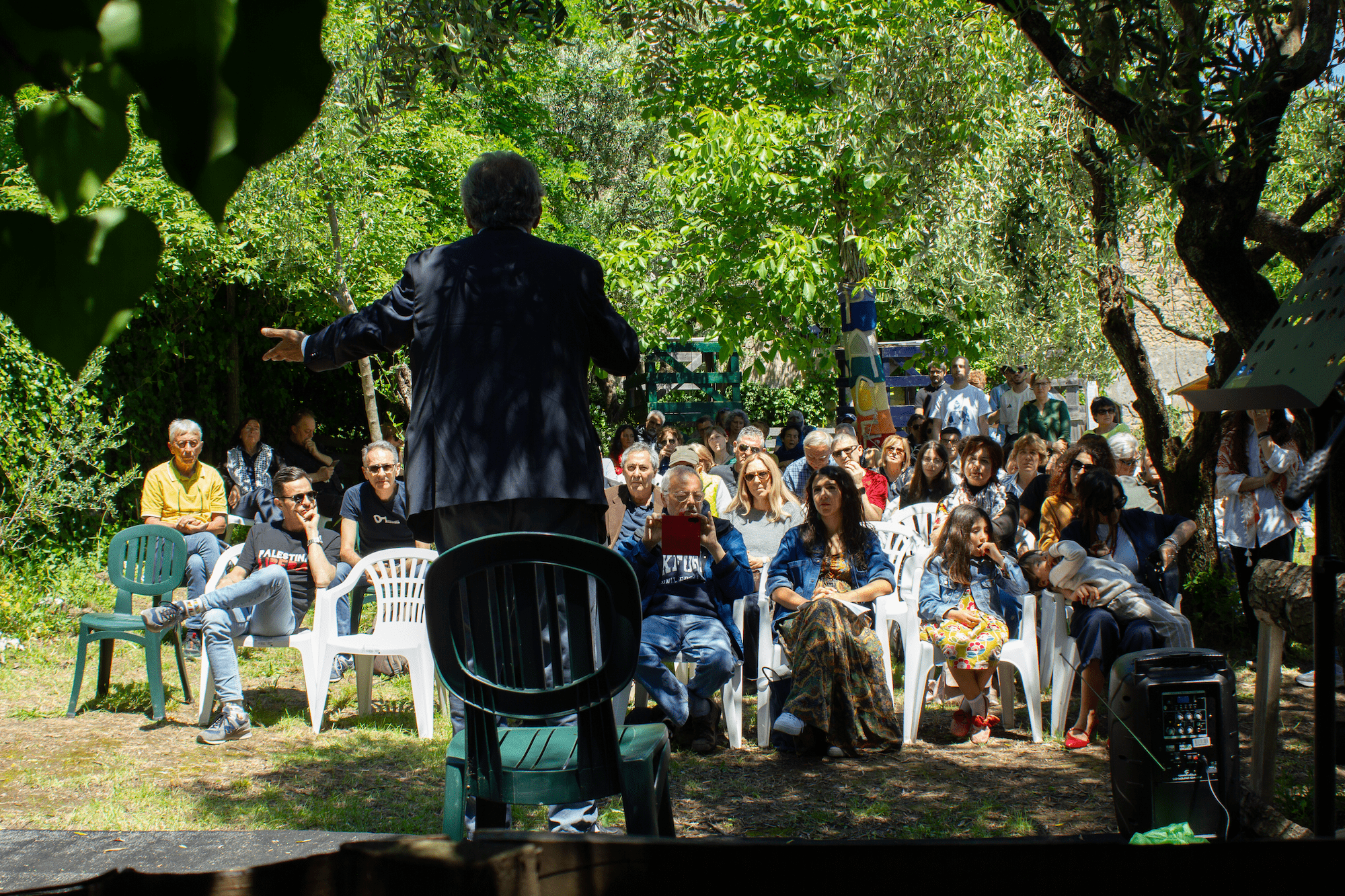
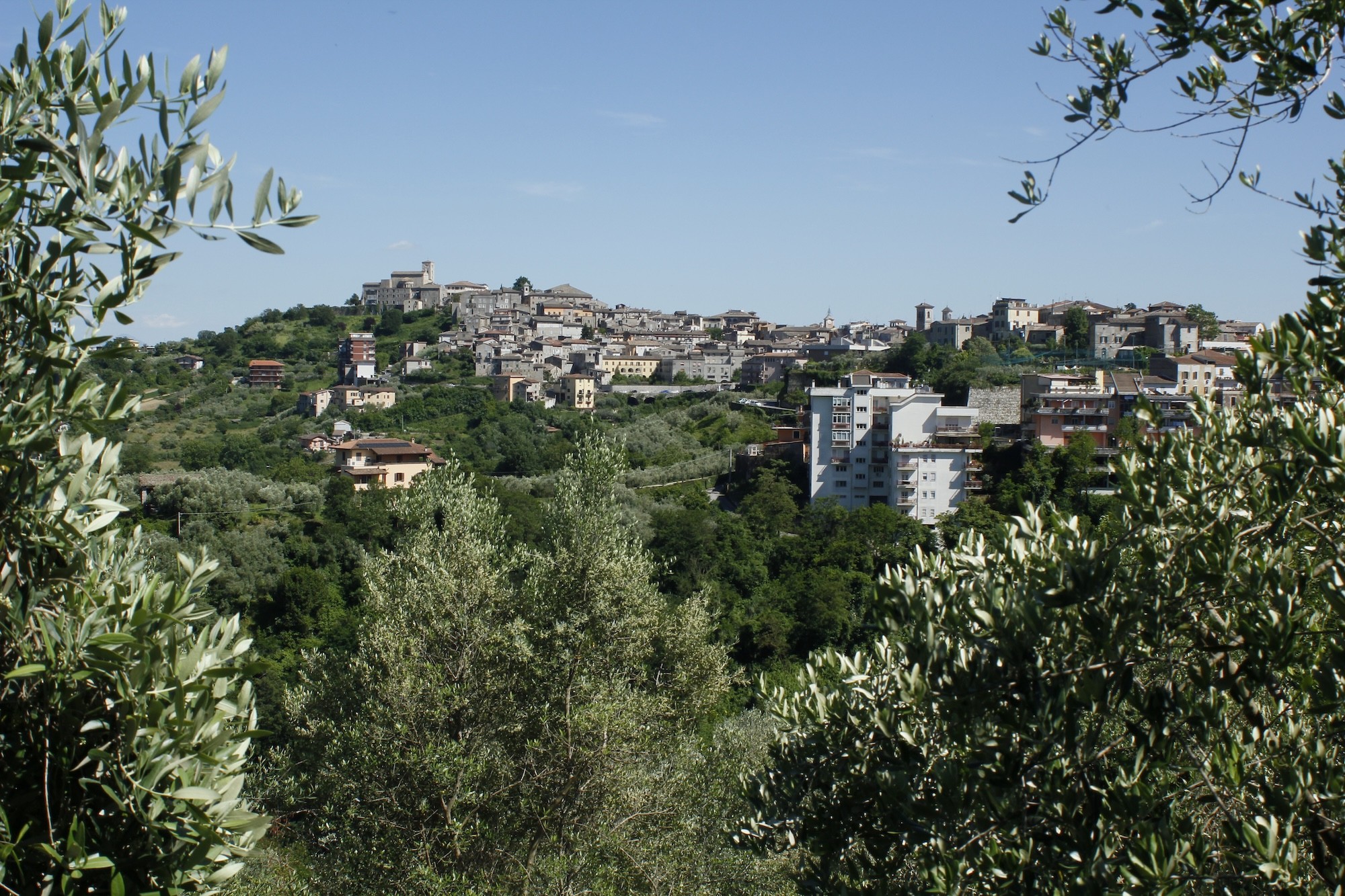
Three weeks later, I come back to Anagni. This time, the committee organised a sit-in for Gaza in the center of town. I am in the Ousmane garden, a green area of more than three hectares, with an incredibly beautiful view of Anagni historical center and a valley at the bottom of it. It’s named after a volunteer who died because of a workplace accident.
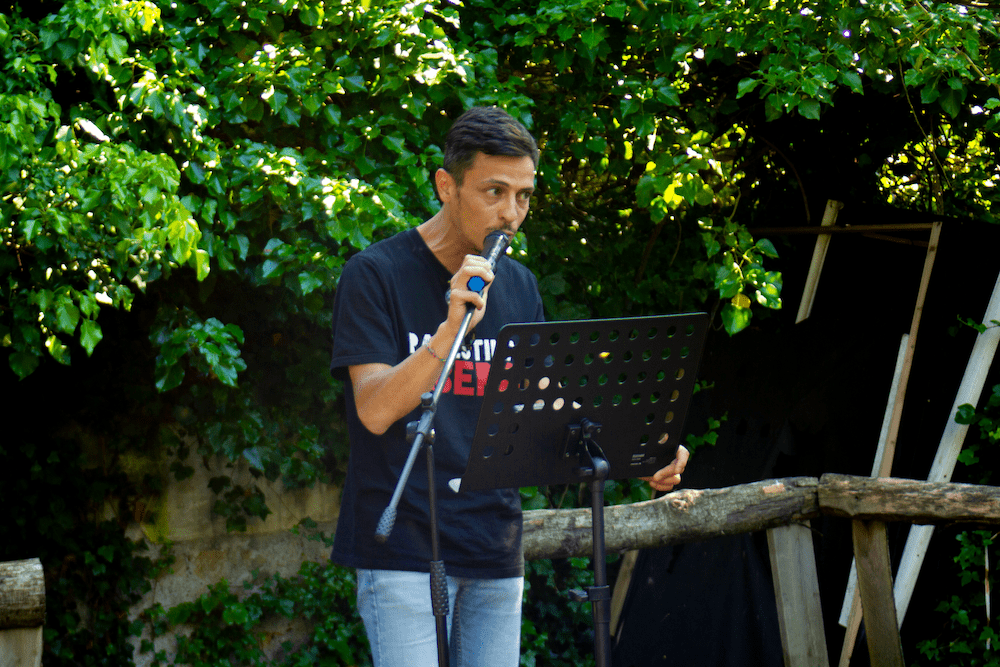
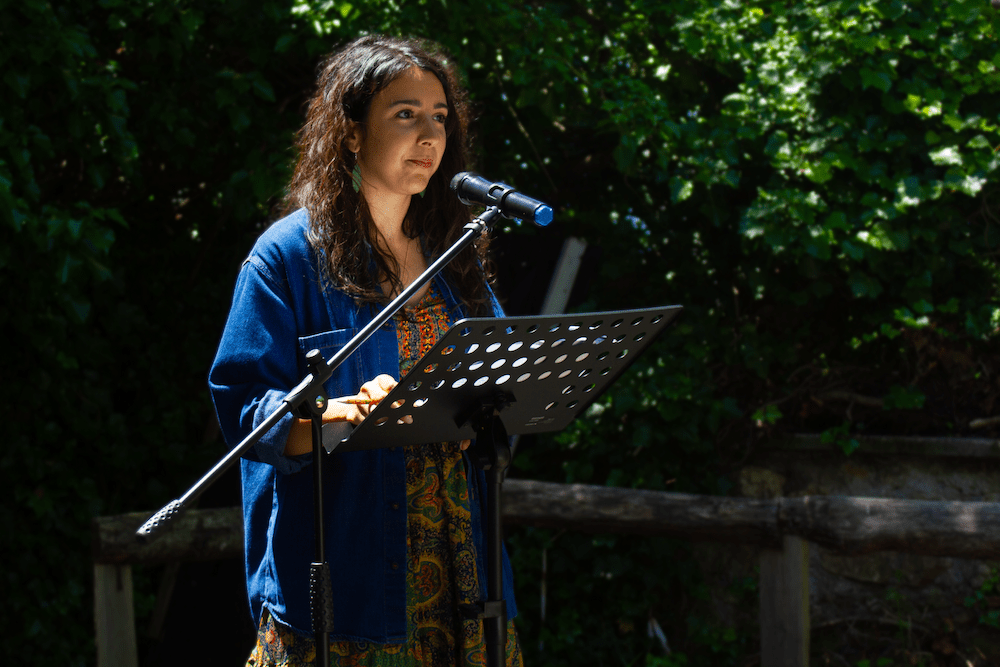
I meet many different people, some of them were in front of the KNDS factory during my previous visit. There are readings of poetry from Palestinian authors. But the link between Gaza and Anagni is not just symbolic.
“We have good reasons to believe that KNDS exports weapons to Israel. We are considering this hypothesis, even if we haven’t yet found definitive proof,” Andrea Caporilli, an activist from the No War committee, tells me. “Officially, these are defense weapons. But it’s not hard at all to convert them to offensives. We think the ammunition is used by the oto-melara guns, which are part of the equipment of the Israeli navy”.
There is also the Galix system, which KNDS exports also in Sudan, according to Amnesty International. The Sudanese war is one of the most violent conflicts in Africa, and to have information about what’s going on there is almost impossible.
“We know for sure that Leonardo [the Italian state-owned weapon enterprise], one of the main KNDS clients, exports weapons to Israel”, Ricchetti tells me. “So, to claim that we are exporting weapons to Israel it’s not impossible. This worries us: the wars are less and less between two armies. The main victims are civilians, attacked by states. We don’t want to be accomplices of war crimes happening in Gaza.”