




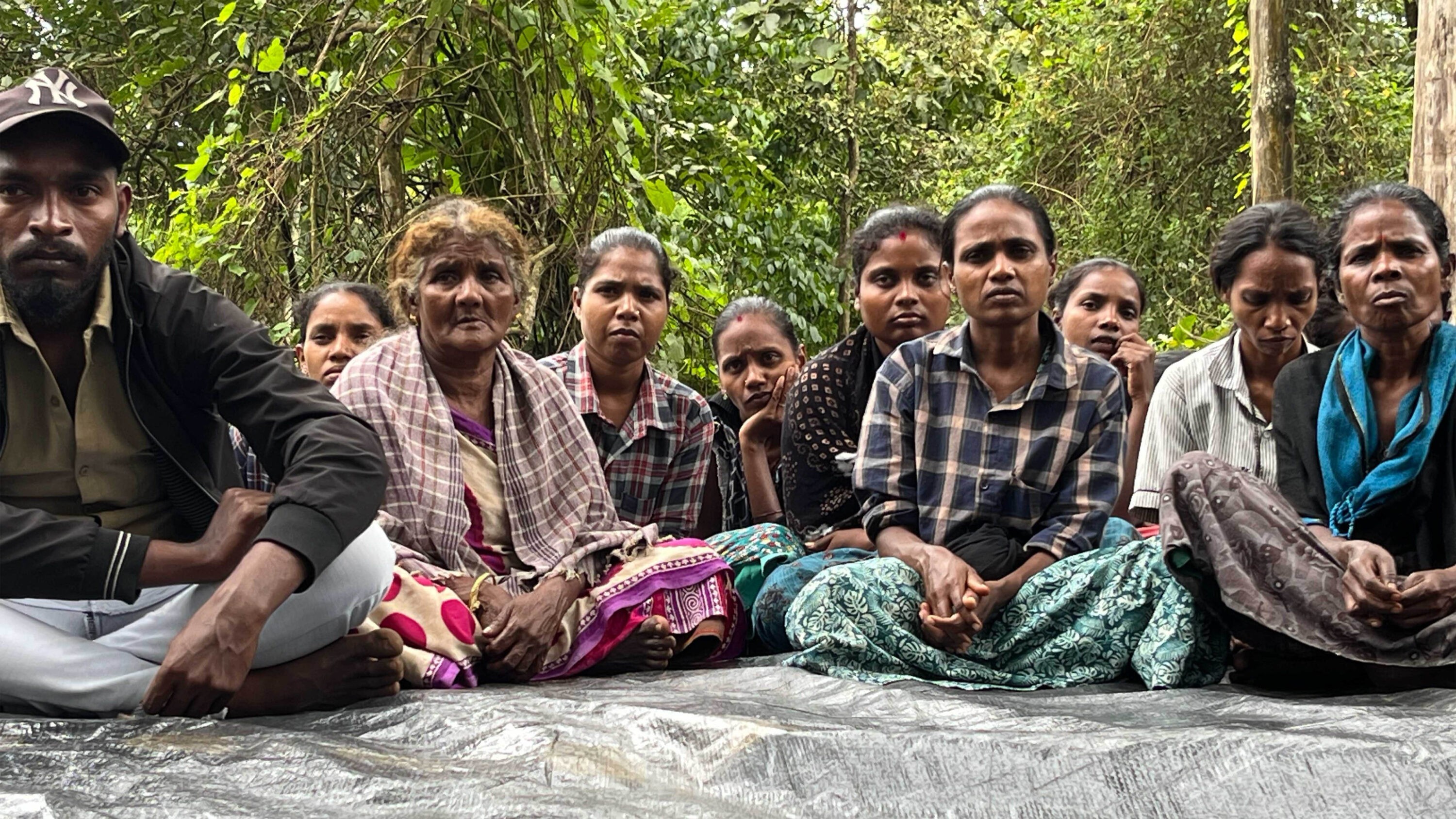
Dawn broke gently over the dense canopy of Nagarhole, a Tiger reserve in the southern Indian state of Karnataka, where the forest is alive with the calls of hornbills and the rustle of wild elephants. Beneath the trees, around a simmering pot of rice and lentils, about 150 Jenu Kurubas, the honey-gathering people of southern India, were sharing their communal meal back on the ancestral land they had been forced to leave decades ago.
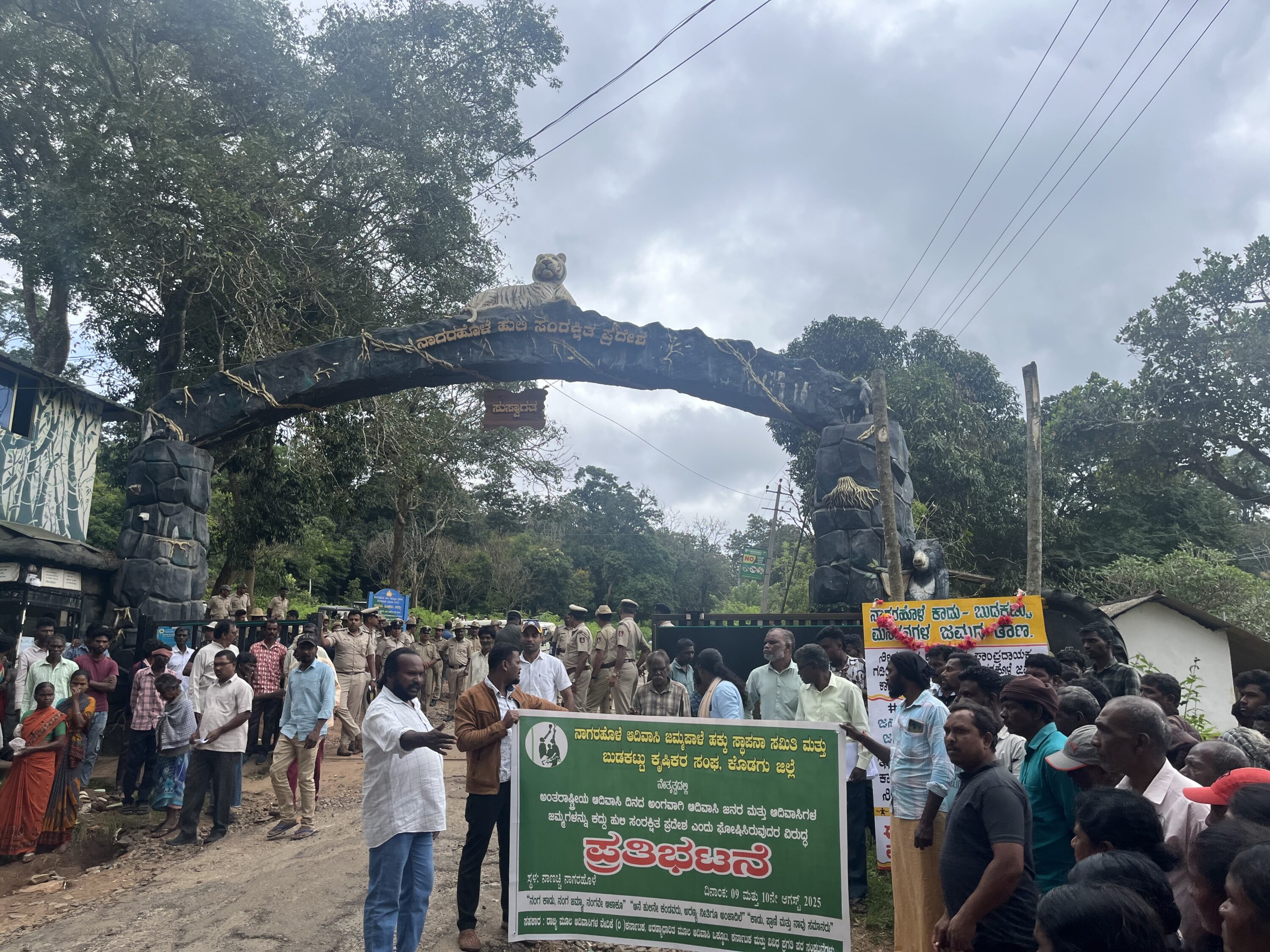
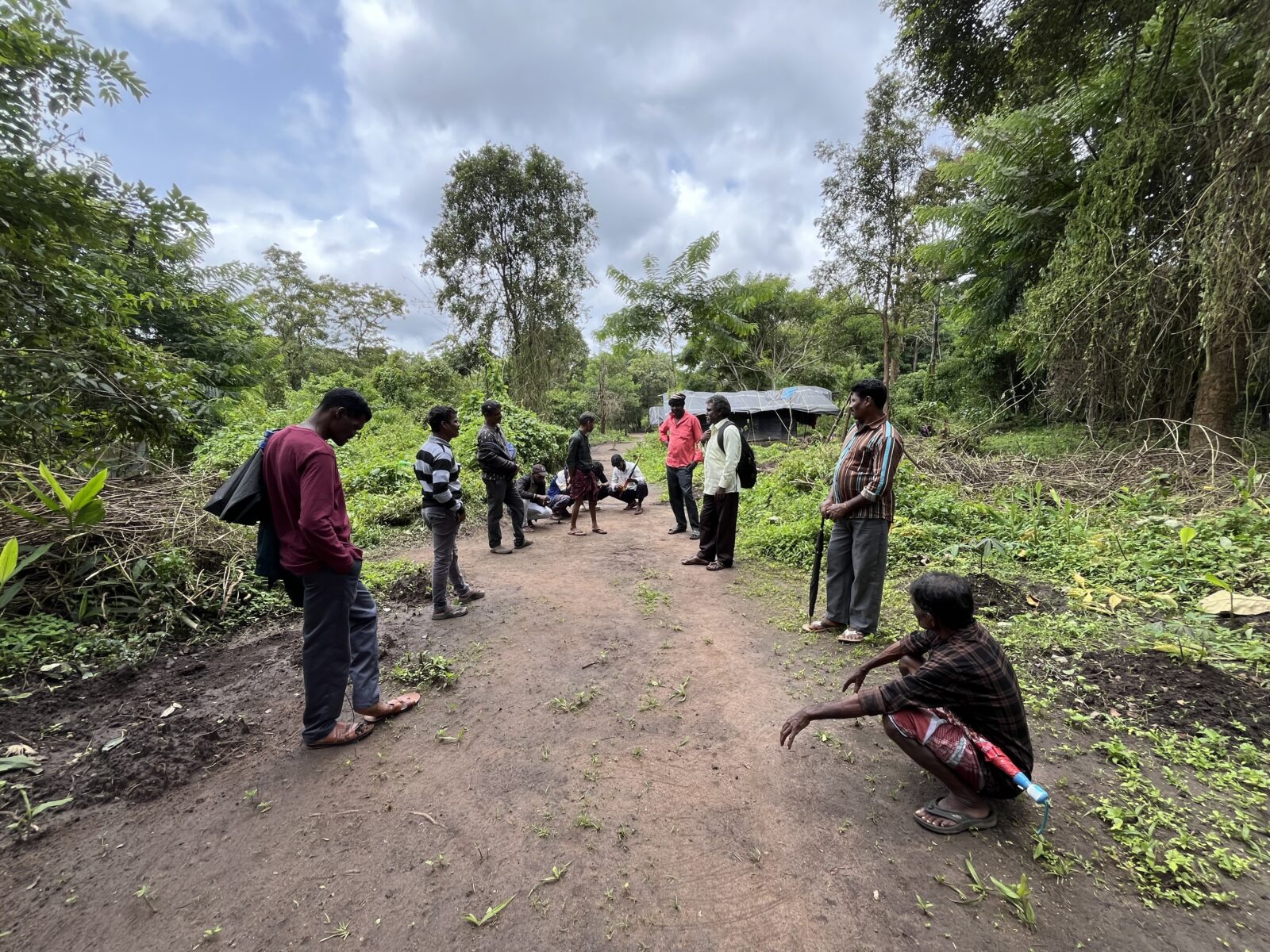
For a fleeting moment, it felt like homecoming. Then the stillness was shattered. Police vehicles rumbled in, officers fanned out, and the temporary shelters were pulled down. What began as a quiet meal in the forest was now a flashpoint in one of India’s longest and most contentious struggles – the fight over who truly belongs in its protected jungles.
Between tigers and the state
The Jenu Kurubas, whose name literally means “honey gatherers,” have lived in the forests of Karnataka for centuries. For them, honey collection, bamboo cutting, shifting cultivation, and medicinal foraging are not merely economic activities but cultural traditions passed down through generations.
Families have shared the forest with its fiercest inhabitants, including tigers, elephants, leopards, and bears. After all, the animals and trees are their chief deities.
But beginning in the 1970s, as Nagarhole was declared a wildlife sanctuary and later a protected tiger reserve, this coexistence came under threat. Hundreds of Jenu Kuruba families were displaced, some for the creation of the Kabini Reservoir, others for the state’s expanding conservation ambitions in the following decade.
Many were moved into resettlement colonies at the forest’s edge. And several other families ended up as bonded labourers in the nearby coffee plantations.

What they gained in tin-roofed housing, they lost in autonomy and subsistence. Agriculture proved difficult, and wage labour precarious. Cut off from the forest, their diets changed, livelihoods shrank, and social bonds frayed.
Jenu Kuruba’s is part of a larger problem when the Indian government scaled up its tiger conservation efforts in the past decades and designated wildlife parks under strict regulations. Either through negotiations or by force in some cases, they’ve been evicting the forest-dwelling tribes.
“There was an orchestrated effort in portraying us, villagers and tribals, as poachers,” said J C Thimma, a Jenu Kuruba tribal leader who has been at the forefront of the resettlement campaign.
“On the other hand, we have seen plenty of episodes where poaching has significantly increased as soon as the tribals move out of their lands in this region. There’s a clear-cut nexus between wildlife poachers and the state’s forces,” added Thimma.
The irony is not lost on the tribes. While they were pushed out of their ancestral lands in the name of conservation, luxury resorts, safari tracks and tourist infrastructure sprouted inside the same reserves. For the Jenu Kuruba, this reinforced the sense that their exclusion was less about ecology than about who gets to profit from the forest.
A violation of laws
A senior forest officer based in Nagarhole told UntoldMag on condition of anonymity that the tribe’s resettlement campaign is gravely misplaced, assuming that they will win.
“I do have a lot of sympathy for the Jenu Kuruba. I try to help them in whatever way possible. But I can’t see how they can win this fight of resettlement. In simpler words, they’re fighting against the might of the entire Indian state, judiciary, and forest departments from the local level to the national stage. It’s a fight they can’t win, for sure,” said the government official.
“The colonial forest regime was dismantled with the Forest Rights Act (FRA) in 2006. The new act overrides older laws like the Indian Forest Act of 1927 and even parts of the Wildlife Protection Act. Legally, tribal rights are protected – the real problem is not the law, but the state’s persistent disregard for it, and the lack of judicial oversight,” said CR Bijoy, an expert in natural resources conflict and governance issues.
“There are several cases in various courts where the courts have shown immense concern for clearing the forest encroachments without questioning whether the data on encroachment has been generated only after completion of the FRA implementation,” Bijoy added. “In Tamil Nadu, the Madras High Court had actually revised its earlier order banning grazing in forests to limit the ban to Protected Areas, when grazing is a specific right under the FRA.”
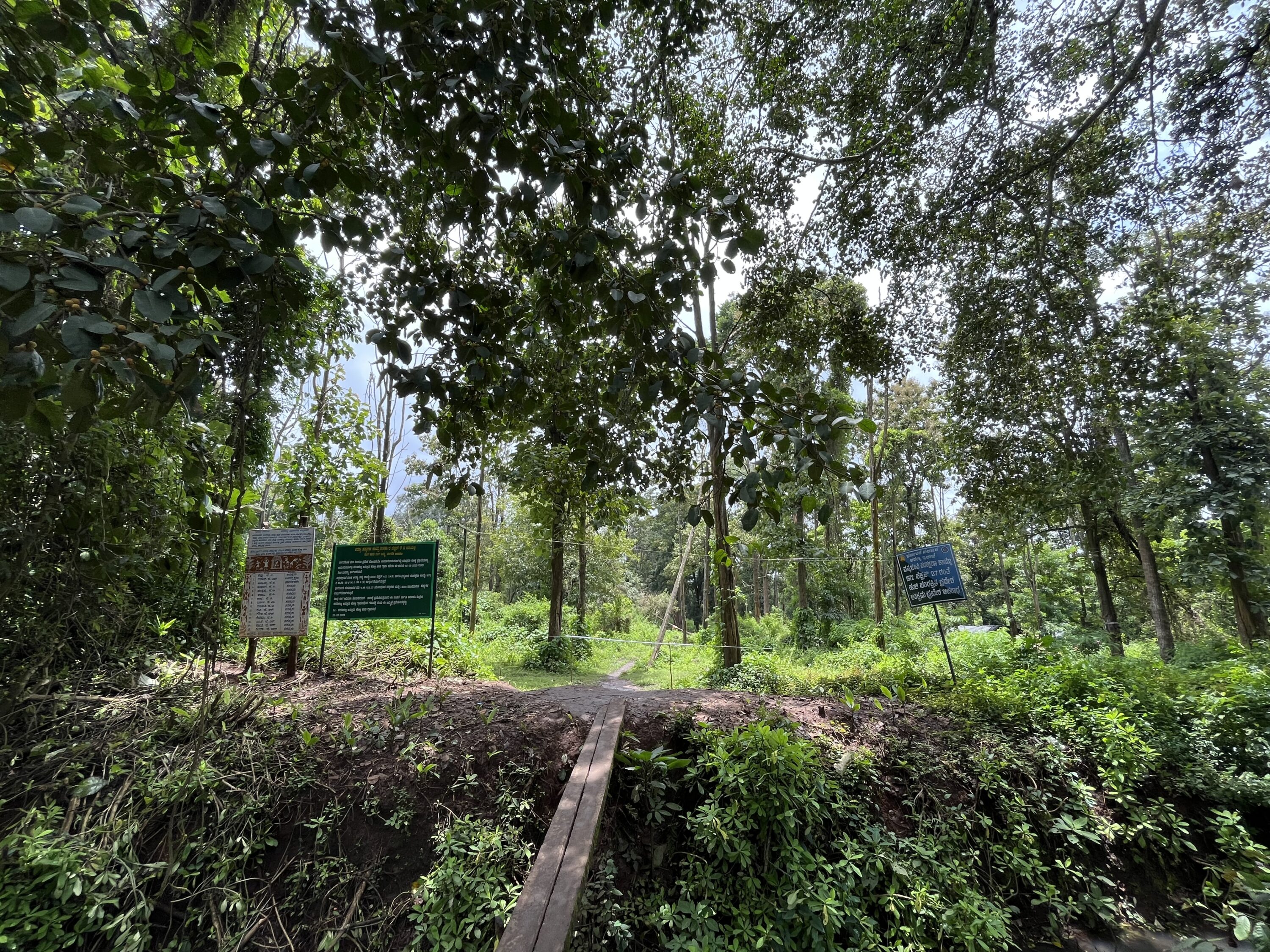
“What we see in Nagarhole is not mere high-handedness but gross violation of laws. State forces are enforcing eviction in direct contravention of the FRA,” said Bijoy.
Theoretical rights and practical struggles
India’s Forest Rights Act (FRA) of 2006 was meant to undo the injustices meted out to tribals by recognising the rights of Scheduled Tribes and other traditional forest dwellers. It explicitly protects them from eviction until their claims are processed while allowing both individual and community ownership of forest land.
On paper, the FRA is a landmark legislation. However, in practice, its implementation has been fraught with resistance from forest departments and conservation lobbies. Of the five million claims filed nationwide, about half have been rejected or remain pending. Karnataka’s record is no better. Thousands of Jenu Kuruba claims are stuck in bureaucratic limbo.
The May incident in Nagarhole was, therefore, not just a symbolic return but a test of the FRA itself. By setting up shelters inside the forest, the community sought to enforce what they believe is already legally theirs. The police dismantling of those shelters laid bare the gap between statutory rights and state practice.
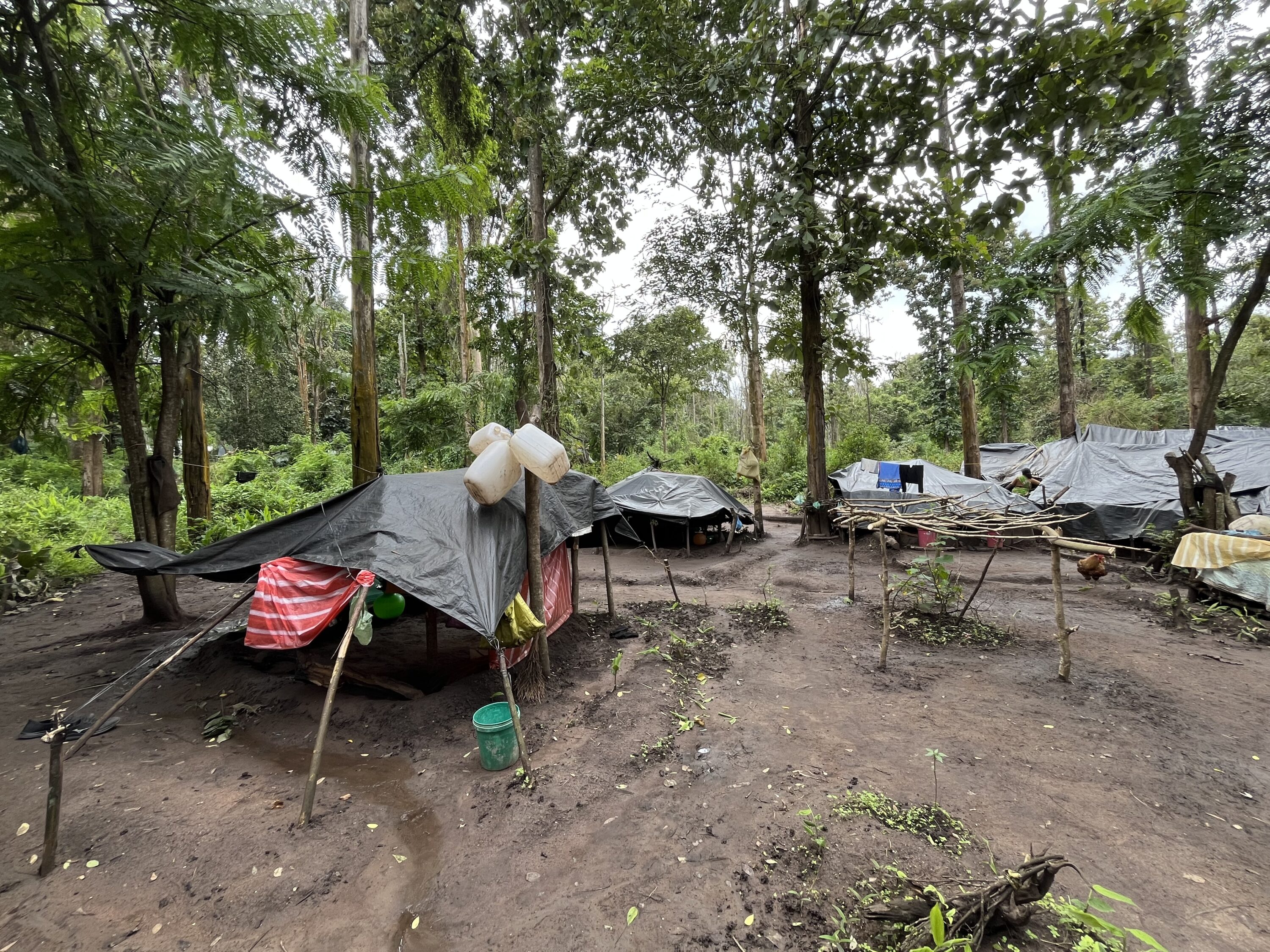
The Jenu Kuruba story is part of a larger nationwide struggle to balance conservation with justice.
This tension is playing out across India. In 2019, the Supreme Court ordered the eviction of tribal families whose FRA claims were rejected, sparking uproar until the order was stayed. In the states of Rajasthan, Madhya Pradesh and Chhattisgarh, communities are waging similar battles to remain on ancestral land inside tiger reserves.
Meanwhile, the federal government showcases ambitious tribal welfare programmes. The Dharti Aaba Janjatiya Gram Utkarsh Abhiyan, launched in 2024 with a ₹790 billion (USD 9billion) budget, promises infrastructure and livelihoods in 63,000 villages. Initiatives like Eklavya Model Residential Schools seek to bring modern education to tribal children. Yet, as activists note, these schemes rarely address the fundamental issue: the right to live in forests. Without that, development projects risk becoming hollow gestures.
What is at stake?
The confrontation in Nagarhole has implications that extend far beyond the forest’s borders. For the Jenu Kuruba, it is about survival, dignity, and cultural continuity. For the state, it is about defending a conservation model rooted in the Wildlife Protection Act of 1972, which empowers relocations for the sake of intact habitats. For India more broadly, it raises questions about whose vision of nature prevails.
We need your support to keep commissioning content like this.
Be part of the UntoldMag community:
Conservationists argue that human habitation in tiger reserves leads to deforestation, poaching risks and animal conflict. But a growing body of research suggests otherwise. Indigenous communities often act as stewards of biodiversity. Honey collection, fire management and sustainable harvesting practices of groups like the Jenu Kuruba may, in fact, strengthen forest resilience.
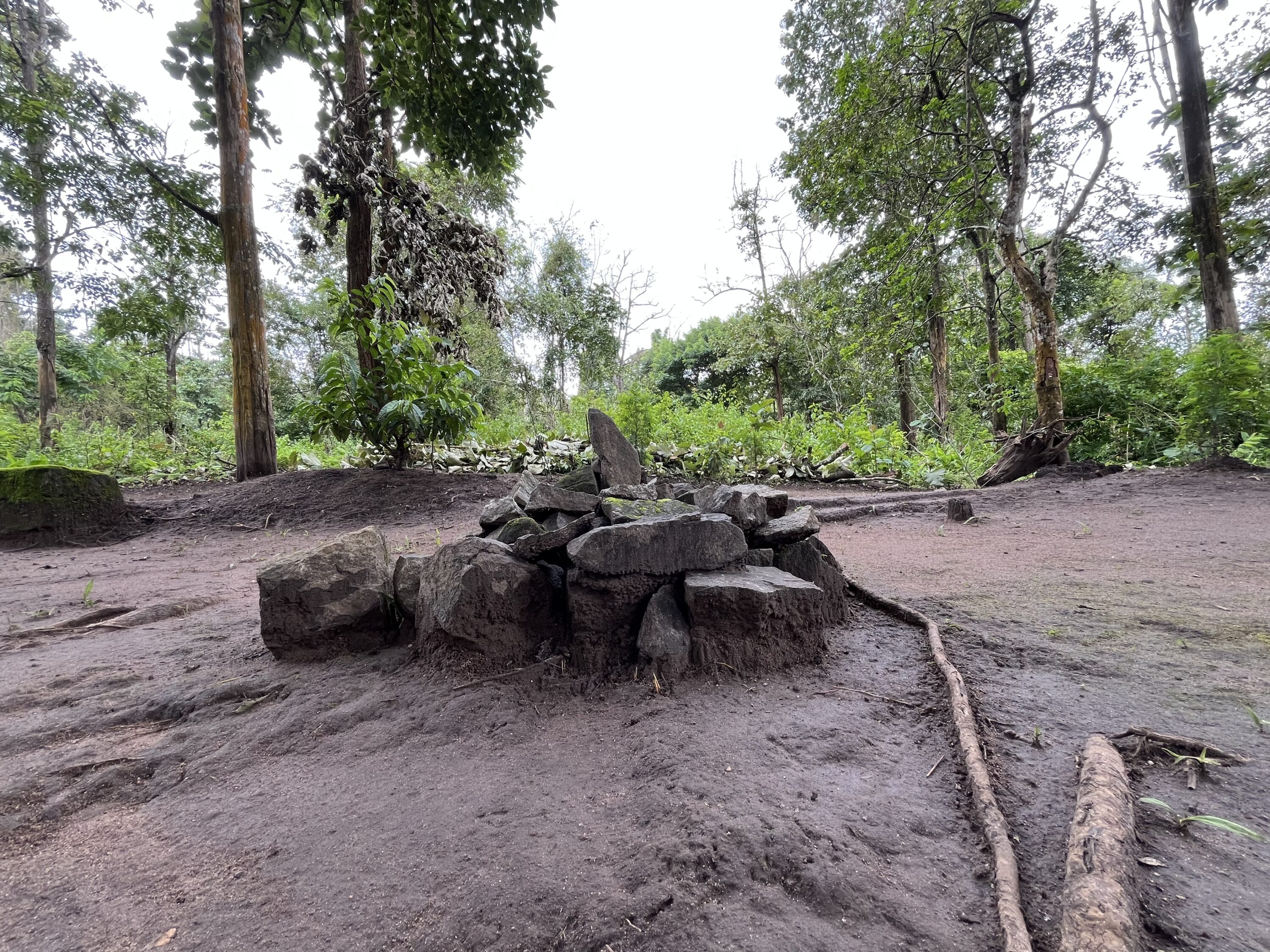
If the community succeeds in asserting its place within Nagarhole, it could inspire similar acts of reclamation across the country. If it fails, through evictions or police crackdowns or other judicial letdown, the message to millions of forest-dependent people will be clear. Their rights will exist only on paper that does not translate into reality.
Political stakes are also rising. With nearly 300 million Indians dependent on forests for their livelihoods, any move perceived as trampling tribal rights risks fuelling unrest. Past interventions by bodies like the federally empowered National Human Rights Commission have shown that the government can be compelled to provide rehabilitation and redress. Whether such accountability emerges again in Nagarhole remains uncertain.
For now, the Jenu Kuruba continue to return to the forest, however precariously. Shivu Jenukuruba Appu, 29, a thin-framed, long-haired leader, told UntoldMag that the community is determined to fight until their campaign reaches its logical conclusion.
Even as the police dismantled their shelters, Shivu said: “The authorities are not even allowing us to bury the dead bodies of deceased Jenu Kurubas in our ancestral funeral grounds. This is our basic right. Still, we’re not abandoning this fight at any point. We are not going anywhere.”
At dusk in Nagarhole, the forest quiets, and the outlines of abandoned shelters blend into the trees. The Jenu Kuruba may have fewer roofs over their heads at night, but their resolve remains unbroken. Their fight is not only for land but for recognition. The acknowledgement that India’s forests are living homes, where people and wildlife have coexisted for generations.
The struggle, decades in the making, is far from over. And what happens here, in the shadow of the tiger, may determine not just the fate of one tribe but the future of India’s conservation story itself.