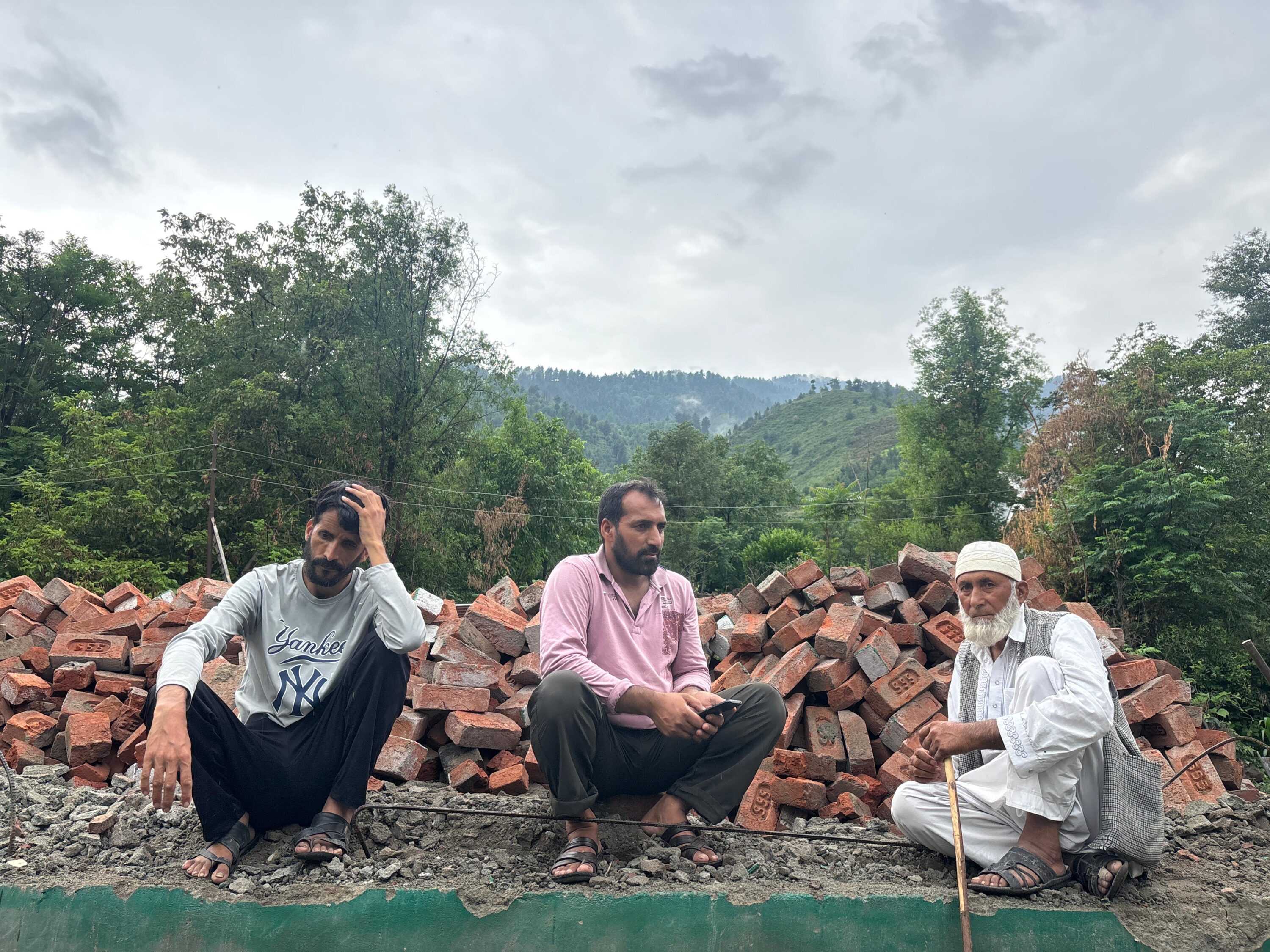




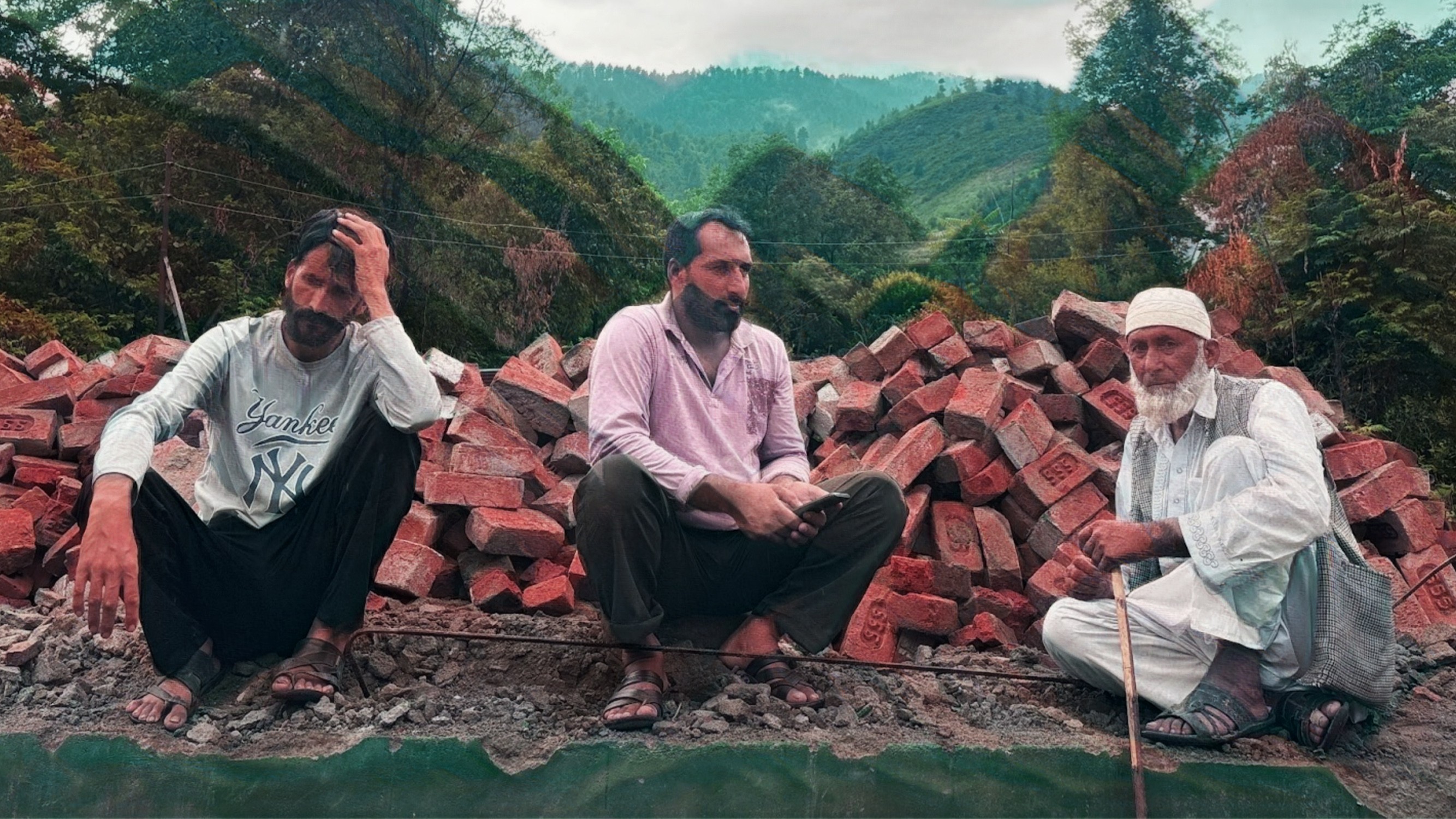
On a cloudy, tense night in northern Kashmir, 42-year-old Yunus Ahmad stepped outside in a terrified state to locate the source of the thunderous mortar shells echoing through their village near the Line of Control (LoC) – the military demarcation line between Indian and Pakistani administered Kashmir.
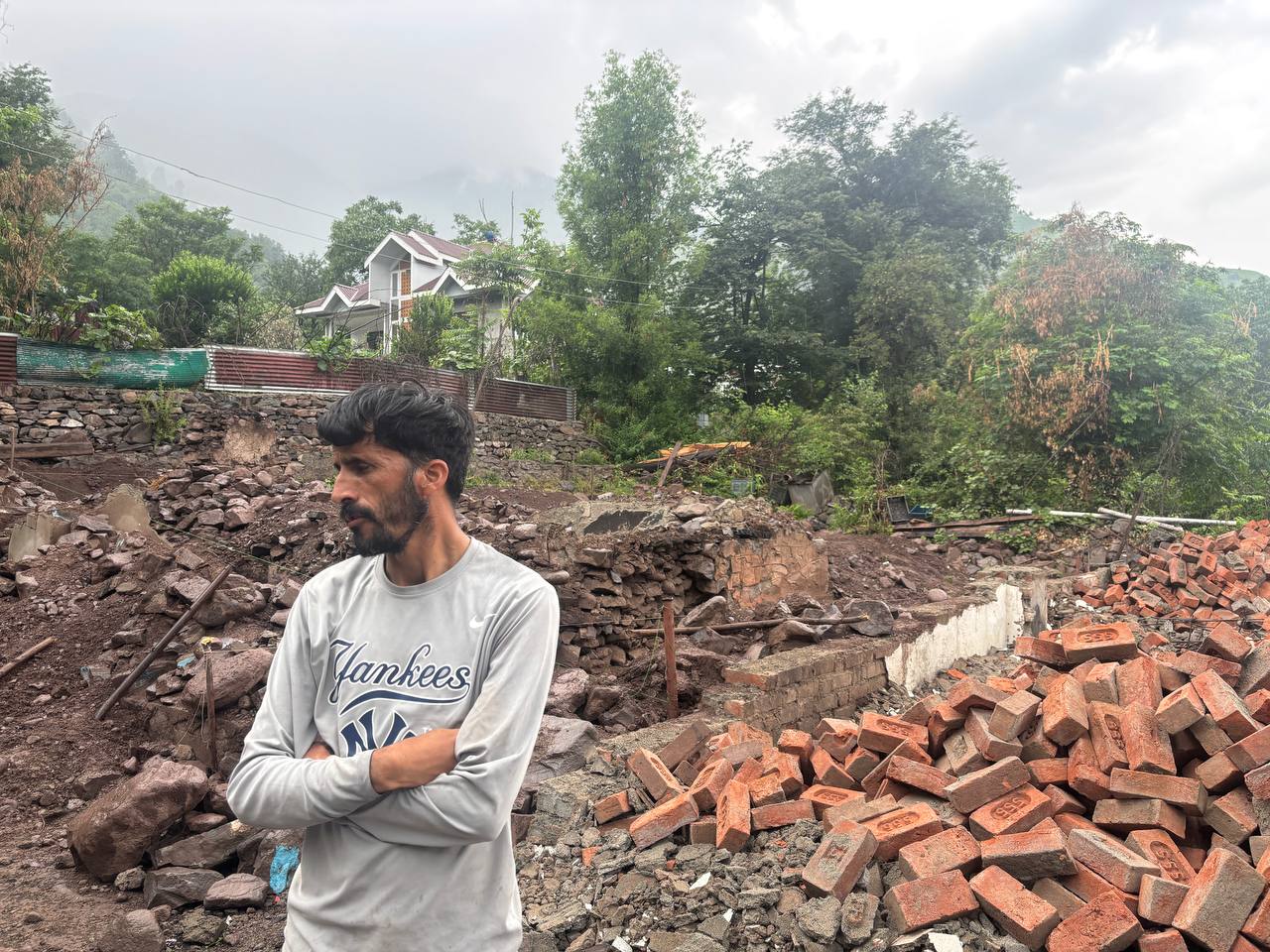
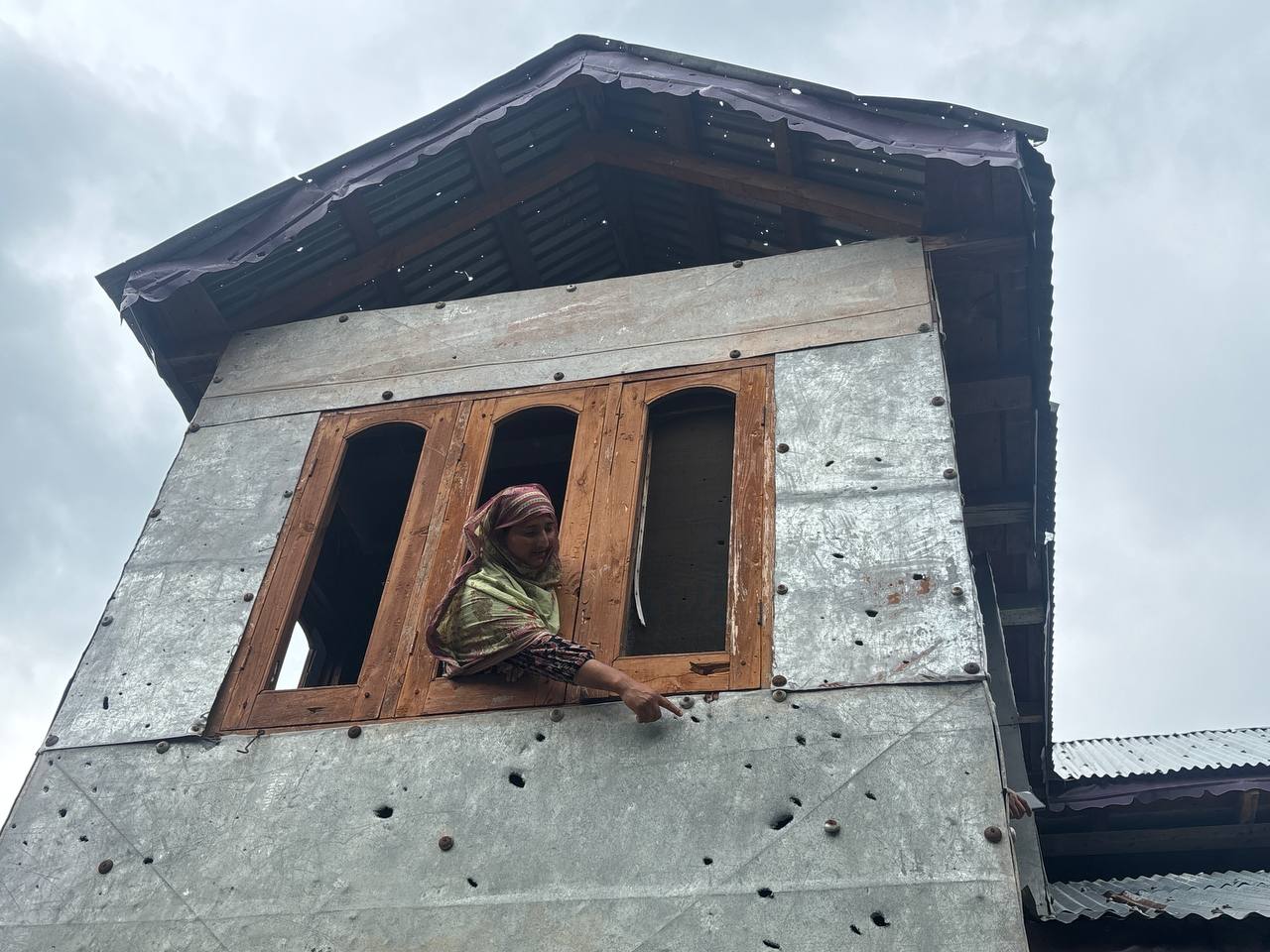
As he was tracing the sky, a shell struck his home in Salamabad, a village close to the de facto Uri border that divides Kashmir between India and Pakistan. “The blast occurred at around 2:30 AM. Luckily my family were outside,” Yunus recalled.
Such horror is no rare sight in Kashmir’s border villages especially in Uri, Poonch, Rajouri and Kupwara, where millions of residents live under constant fear of becoming collateral damage in the unending hostilities between two neighbours.
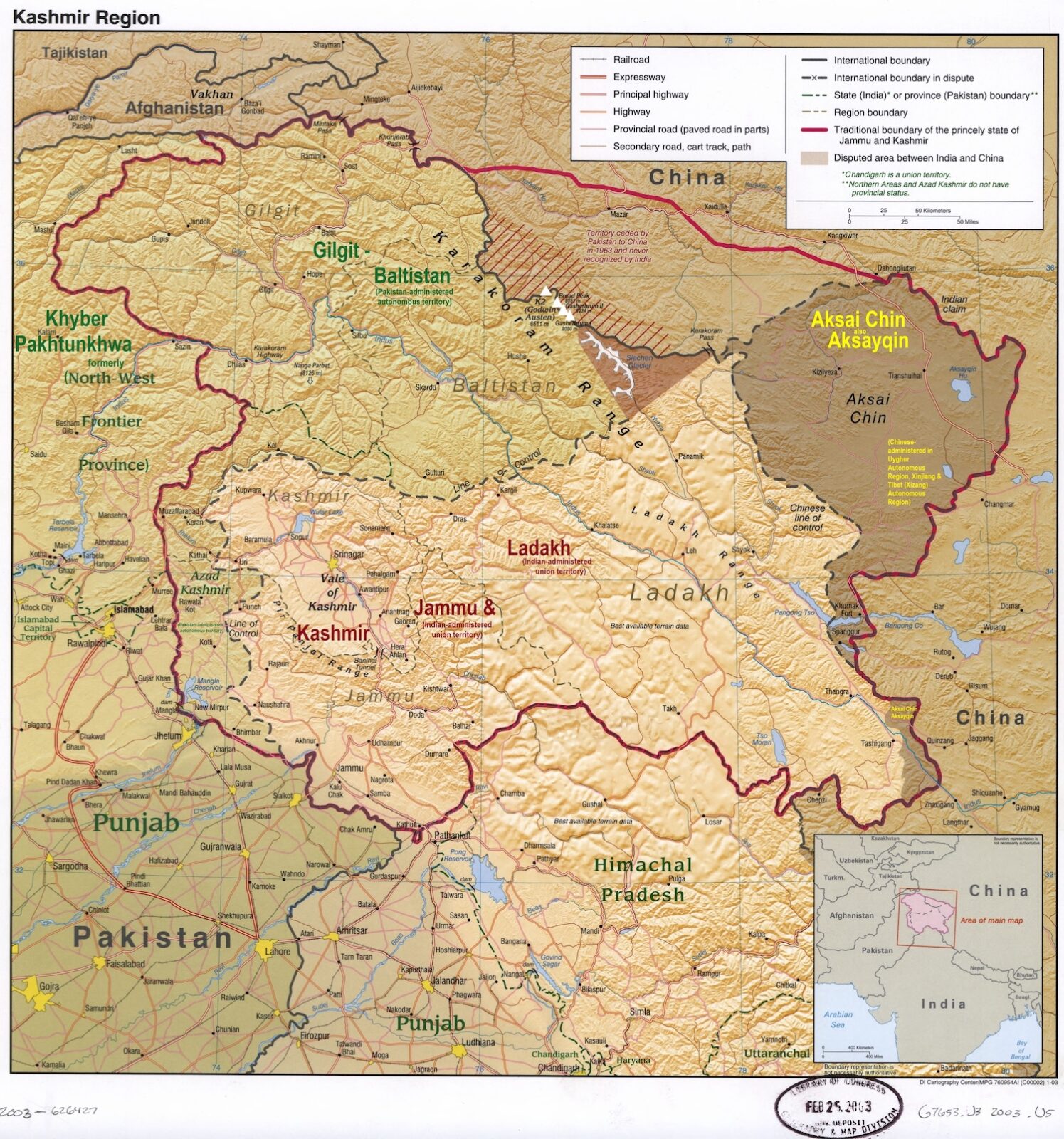
The picturesque Himalayan Kashmir region has been a major bone of contention and flashpoint between the two nuclear-armed states. Both countries have nearly fought four wars (beginning in 1948, 1965, 1999 and 2025) since the princely state’s accession to India in 1947.
The renewed crisis intensified on April 22, when unidentified militants killed at least 26 Indian tourists in Pahalgam, a valley in South Kashmir known for its Alpine meadows. India blamed Pakistan for carrying out the brutal attack, a claim vehemently denied by the latter.
On May 7, India conducted offensive military airstrikes (Operation Sindoor) across Pakistan territory, claiming to target “terrorist camps” at nine different locations. The airstrikes plunged the entire South Asia in war hysteria. What followed was two nights of intense shelling along the borders, the worst the villagers of Uri, Poonch and Rajouri had seen in decades.
Three days later, India and Pakistan agreed to a US-brokered ceasefire. For villagers living in northern Kashmir the ceasefire is a “silence before the looming storm”. Referring to countless times ceasefire violations occurred since a peace agreement was signed in 2003.
Intergenerational trauma
In the recent exchange of fire, India has reported that at least 21 civilians lost their lives while Pakistan reported 40 lost their lives across border areas.
“In a war we did not start and cannot control, we are mere numbers. Generations have endured the trauma of internal displacement and destruction. It is the poor people like us, who face the brunt of the violence,” Badruddin, a 37-year-old resident of Uri, feared.
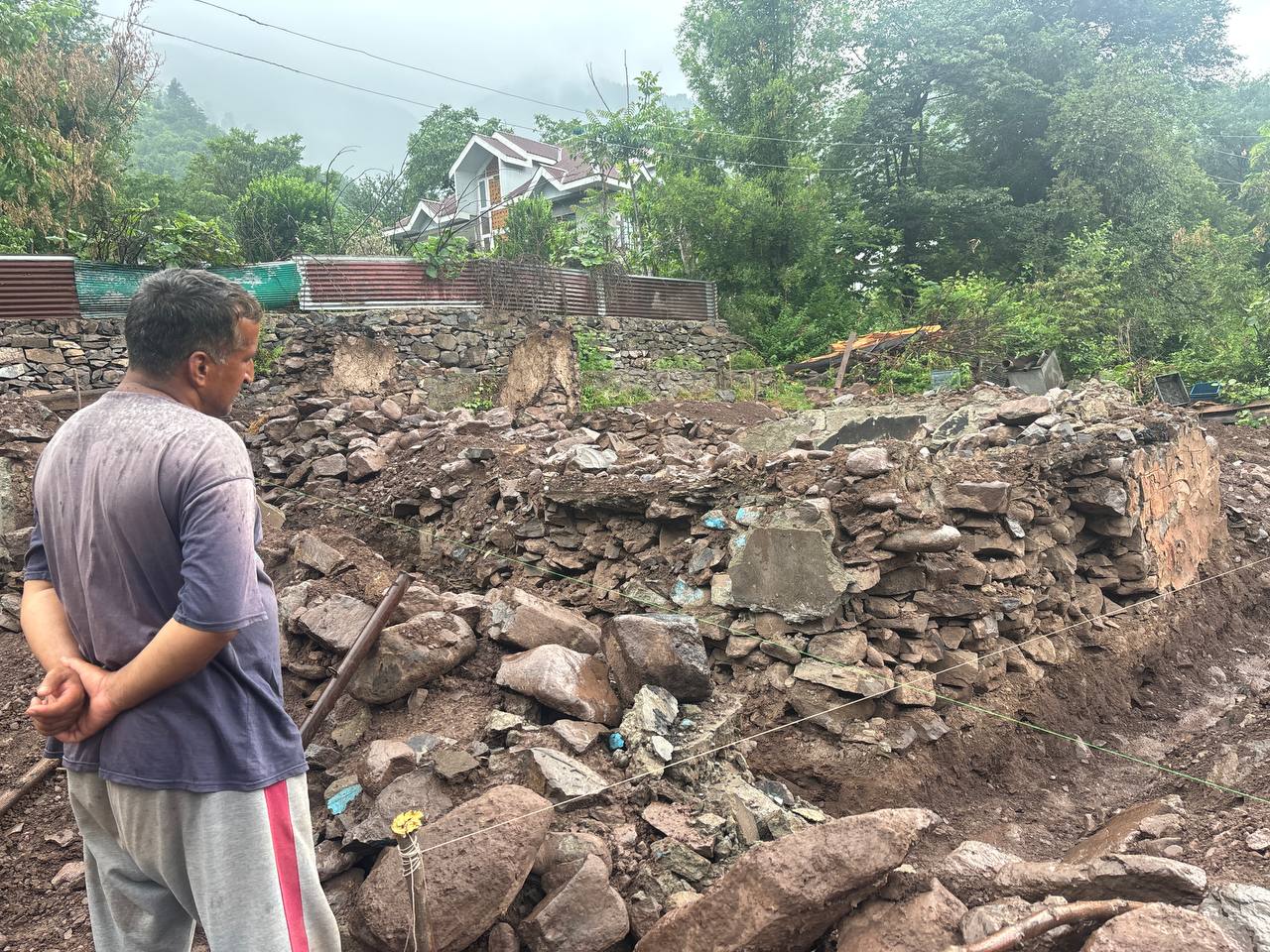
Dozens of houses and other infrastructure were destroyed in northern Kashmir’s Uri, Gingal, Lagama, Salamabad, Charankot and Dardkhote.
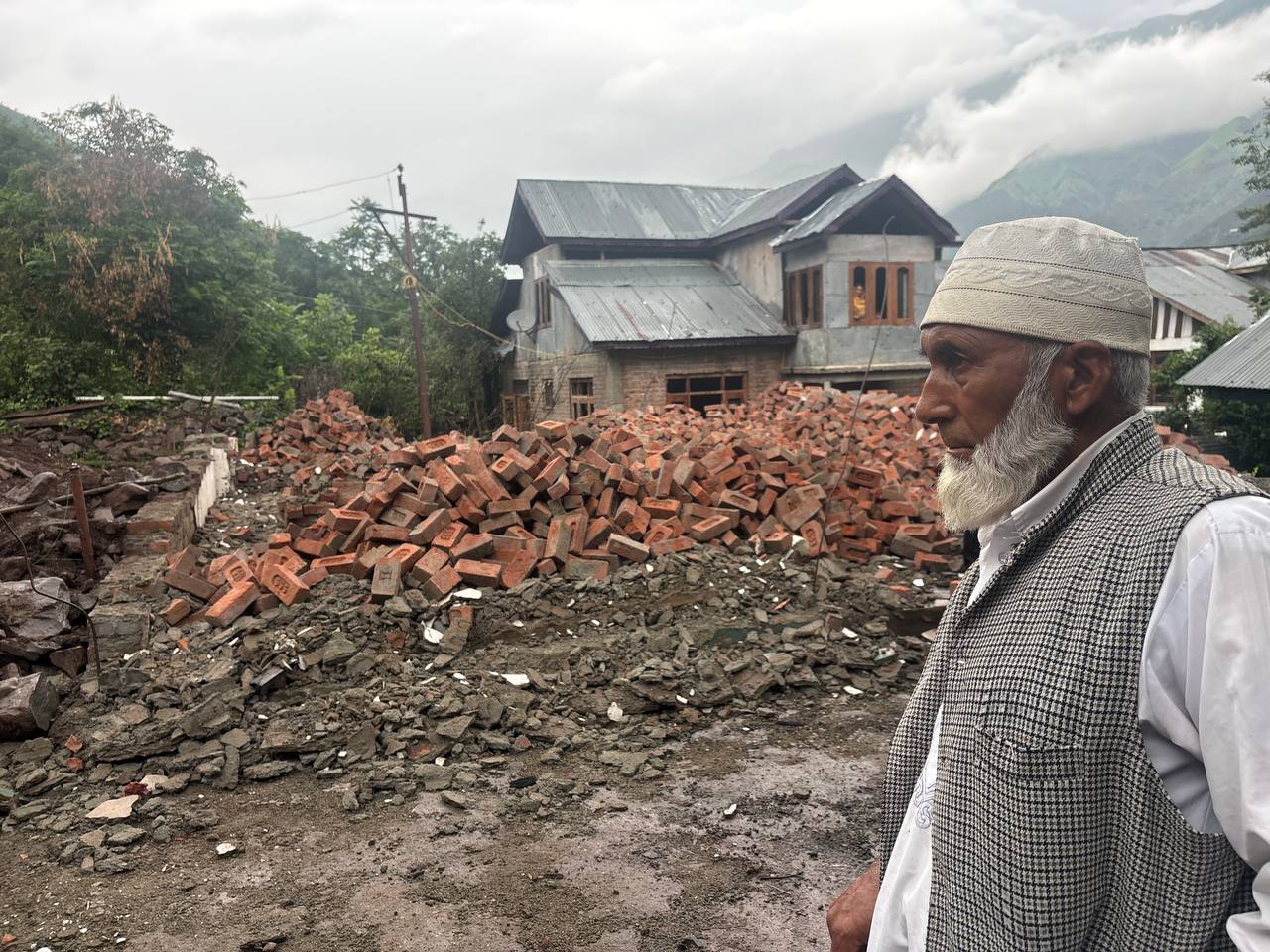
The unpredictability of conflict has led to political instability and overwhelming collective trauma across Kashmir. 45% of Kashmir’s adult population (1.8 million) suffers from mental distress, one study revealed.
The apparent signs of intergenerational trauma has led to higher suicide rates and reportedly increased substance usage among Kashmiri youth, according to another study.
Of the 7 million population of Kashmir, the majority of people have been impacted by violence. Forced relocation (internal displacement) of families living in a state of “perpetual insecurity” impacts their economic prospects.
The violence have a lasting impact on survivors, especially children who become traumatized.
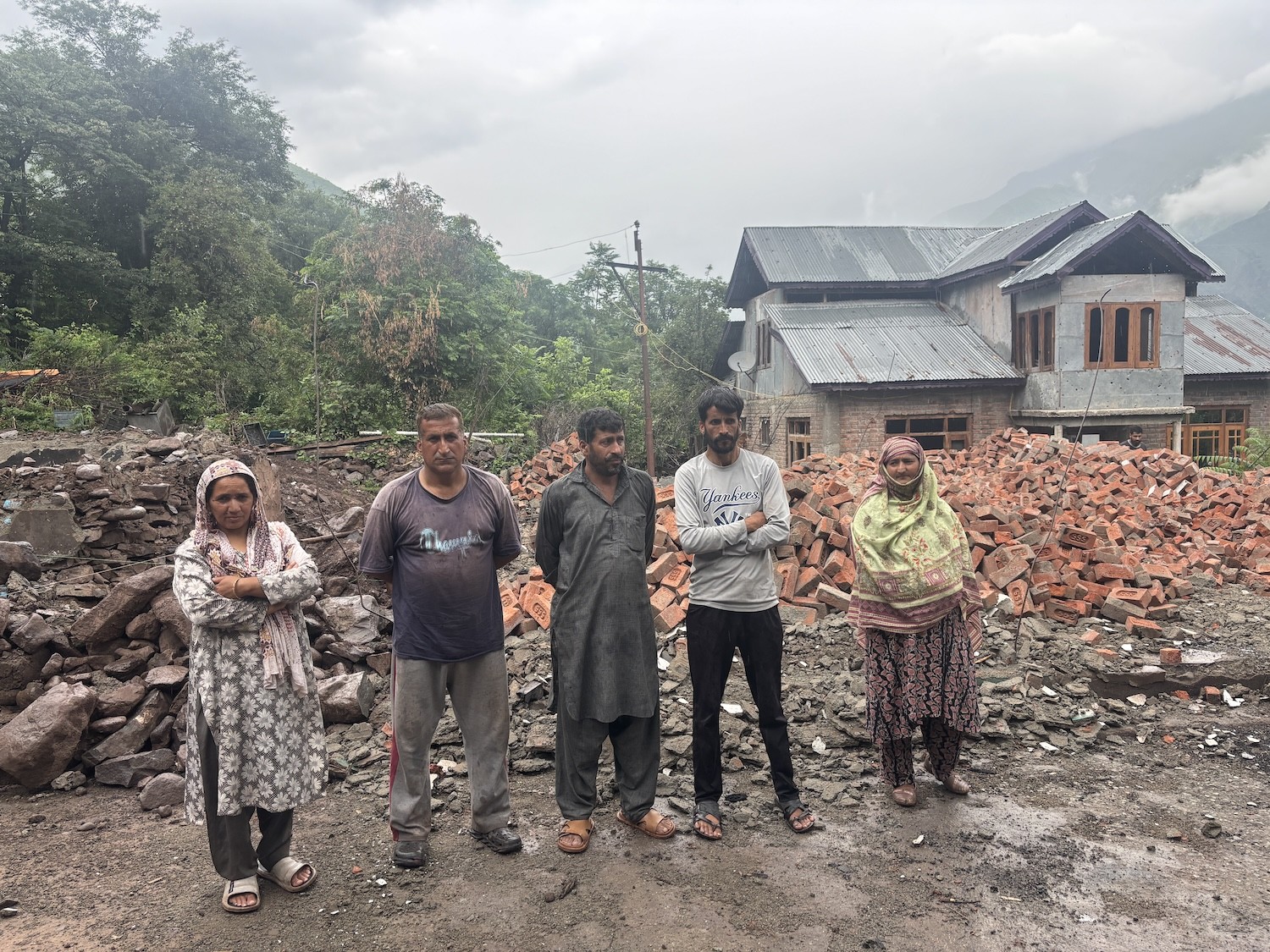
Eleven-year-old Bisma Firoz, wounded in the shelling, remains visibly shaken. Her father, 44-year-old Firoz-ud-din, recalls how he felt devastated to witness her suffering, comparing the latest escalation to the Kargil conflict of 1999, he narrates. “Back then, fire was exchanged at the border. But unfortunately this time, the Pakistani side’s artillery hit our cities and towns.”
For Saima Jan, 28, who was soon to be married in northern Kashmir, her dreams have been buried in the shelling. Standing in front of the ruins of her home, she has lost the dowry her mother had spent years collecting.
In the Nowpora area, just 14 kilometers from Pakistan-administered Kashmir, villagers including Talib Hussain described the dreadful night devastation for their children.
Your donations are what allow us to commission content like this.
Be part of the UntoldMag community:
“Eight of my family members narrowly escaped death. Walah (by God) it was a miracle,” Talib sighed, while lamenting in front of a house that was razed to the ground. “I lost consciousness. My three children are traumatised to see their house reduced to rubble.”
At least one million people reside along the Indian side of the LoC, most of whom are pastoralists, daily wage workers and heavily dependent on agriculture for livelihood.
Many villagers complained there were no emergency warnings issued by authorities. “We have no bunkers either,” Yunus emphasised.
Some villagers embraced their children in their arms, while others dragged the elderly through fields, praying for another two hours the artillery would not find them. Scores of vulnerable families had to flee towards the forest in the dark, they recalled.
Researcher and decolonial ethnographer Omer Aijazi explains that the situation showcases how the violence is becoming an instrument for erasure: “It is normalised by virtue of being in the vicinity of the bordering area.”
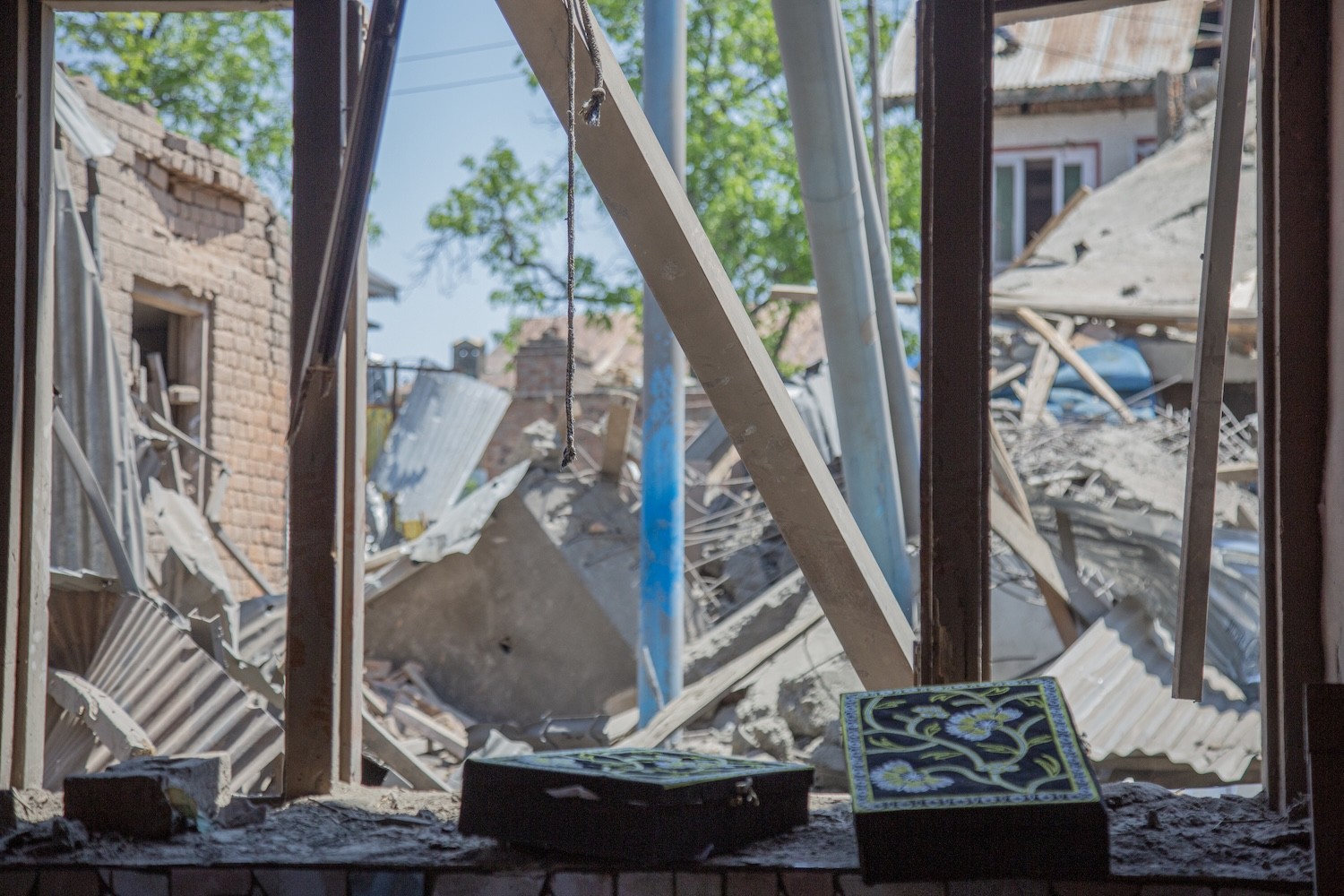
Following the airstrikes, Indian authorities announced paltry compensation—INR 130,000 (USD 1,500) for fully destroyed homes, and INR 6,000 (USD 70) for partially damaged ones.
Villagers of Uri, however, complain that their lives and memories lie buried beneath collapsed homes, and these “superficial gestures” by the state only add to the wounds.
“Our homes are shattered in a war we never asked for,” said 43-year-old Shameem Ahmad, a resident of Salamabad. “Now the government expects us to accept some rupees and move on, as if we are beggars?”
Decades of war
Since 1947, the disputed Kashmir valley has been claimed in its entirety by both India and Pakistan. India administers around 48 percent of the region, while the remaining 52 percent of territory is under the control of Pakistan and China.
In August 2019, India unilaterally abrogated the status quo of the disputed region by downgrading the state into two union territories, which South Asian expert Dr. Wang Shida argued “forced China into the Kashmir dispute”.
New Delhi made these changes after placing the region under a military siege, communication lockdown of 172 days was imposed, besides other coercive measures (including mass arrest) to strip the region of any remaining autonomous status.
The United Nations is credited to have brokered a ceasefire in 1949 and the formation of the de facto LoC border in the 1970s. Over the years, the Indian side has maintained an enormous military presence (roughly around 700,000 soldiers) in its controlled region, making it the most densely militarized zone of the world.
Since 1989, when the armed rebellion erupted against Indian rule, the Himalayan Kashmir region has remained politically fragile. The Indian state has used different coercive strategies to suppress the demand for self-determination, starting from counter-insurgency operations which led to the death of over 70,000 people, mostly civilians, rebel fighters and Indian troops.
Battles of dispossession
“Over the last five years, Indian authorities have unilaterally made new laws entrenching dispossession, imprisonment, criminalization of dissent or resistance to New Delhi rule,” Kashmiri political anthropologist Athar Zia explains.
Between 2020 to 2023 alone, over 2700 individuals have been detained under Unlawful Activities (Prevention) Act and Public Safety Act. This “collective punishment” has reportedly intensified in the aftermath of the Pahalgam attack, with over “3,000 arrests and 100 Public Safety Act (PSA) detentions.”
Following the downgrading of the state into two union territories in August 2019, most of the political activities that used to take place across social media platforms, streets, and other private spaces have been halted or structurally suppressed.
Locals fear that authorities are increasing land acquisition exponentially by changing land ownership laws, enabling widespread evictions, demolitions and confiscation of properties.
Political observers caution these legal changes are focused on promoting settlements and demographic changes in the region. The Indian government has been accused of conducting a sweeping campaign against the families of accused militants which critics described as a form of “collective punishment” against the local population.
Human rights organisations have cautioned that Indian authorities have heavily relied on digital surveillance and other advanced CCTV cameras installed in urban settings to keep a tight grip on dissent. Indian newspaper, The Hindu quoted an intelligence official acknowledging that in 2014 alone, the security apparatus was tapping one million phones in Kashmir.
These staggering figures illustrate the underlying level of state scrutiny and reliance on new technologies like biometrics and military drones in the process of intense surveillance in a militarized location where the ratio between civilian and military personnel is already 1:14.
“Today, the word used most often in Kashmir is dispossession. Kashmiris invariably perceive India as strengthening its colonial control, facilitating troops movement, demographic shift and final push for the settler expansion,” Athar argued.
Collective punishment
Following the Pahalgam attack, a series of massive blasts reportedly resonated across Pulwama, Shopian, Kulgam and Anantnag. The explosions were conducted by Indian forces. At least nine civilian houses belonging to the families of accused militants were reduced to rubble.
Yasmeena, the sister of one of the accused militants, saw her ancestral house being demolished with explosives in Anantnag: “what is our sin and why are my parents, my sister being punished for the actions of my brother?” she asks.
At least 105 homes were destroyed following gunfights between 2015 and March 2018 in southern Kashmir’s Pulwama district, India Spend reported. Over 114 homes were destroyed during military operations in 2020.
The presence of controversial laws such as the Armed Forces Special Powers Act (AFSPA) and other similar provisions has granted additional impunity to security forces, enabling them to operate without accountability for human rights abuses.
For Kakhmiris, the Armed Forces Special Powers Act is not only legislation—it is the silence after a raid, the knock at midnight, and the courtroom doors that remain shut.
This is what Mohammad Ashraf Mattoo, 62, has endured for 15 years, seeking justice for his teenage son, Tufail, killed by Indian forces in 2010 from a close range with a tear gas canister that struck his head from behind.
His cold-blooded-murder sparked protests that lasted several months resulting in over 100 Kashmiris, mostly youths, losing their lives as police were accused of using excessive force against protestors.
In 2012, the case was quietly shut, the file closed. Human rights groups, including Amnesty International, called on the authorities to reopen the investigation and bring the perpetrators to justice. But nothing moved. No names emerged. No arrests were made.
Fifteen years down the line, aging lines have manifested deep into his face. Like so many bereaved parents before him, he gathers his resolve: “I tell you, I am not losing heart. My son is alive in the hearts of his friends, his well-wishers. I take my strength from them.”
Mattoo’s story is not an exception—it is the rule in Kashmir. His pursuit of justice for his son, echoes the anguish of thousands whose lives have been shattered by state violence, legal impunity, and institutional silence.
From border villages razed by artillery to courtrooms where killers remain “untraceable,” Kashmiris navigate a landscape where the violence is both physical and bureaucratic, relentless and routine. In a place where memory itself becomes resistance, Mattoo’s refusal to surrender speaks to a collective struggle: not just to survive, but to be heard in a system built to erase them.