



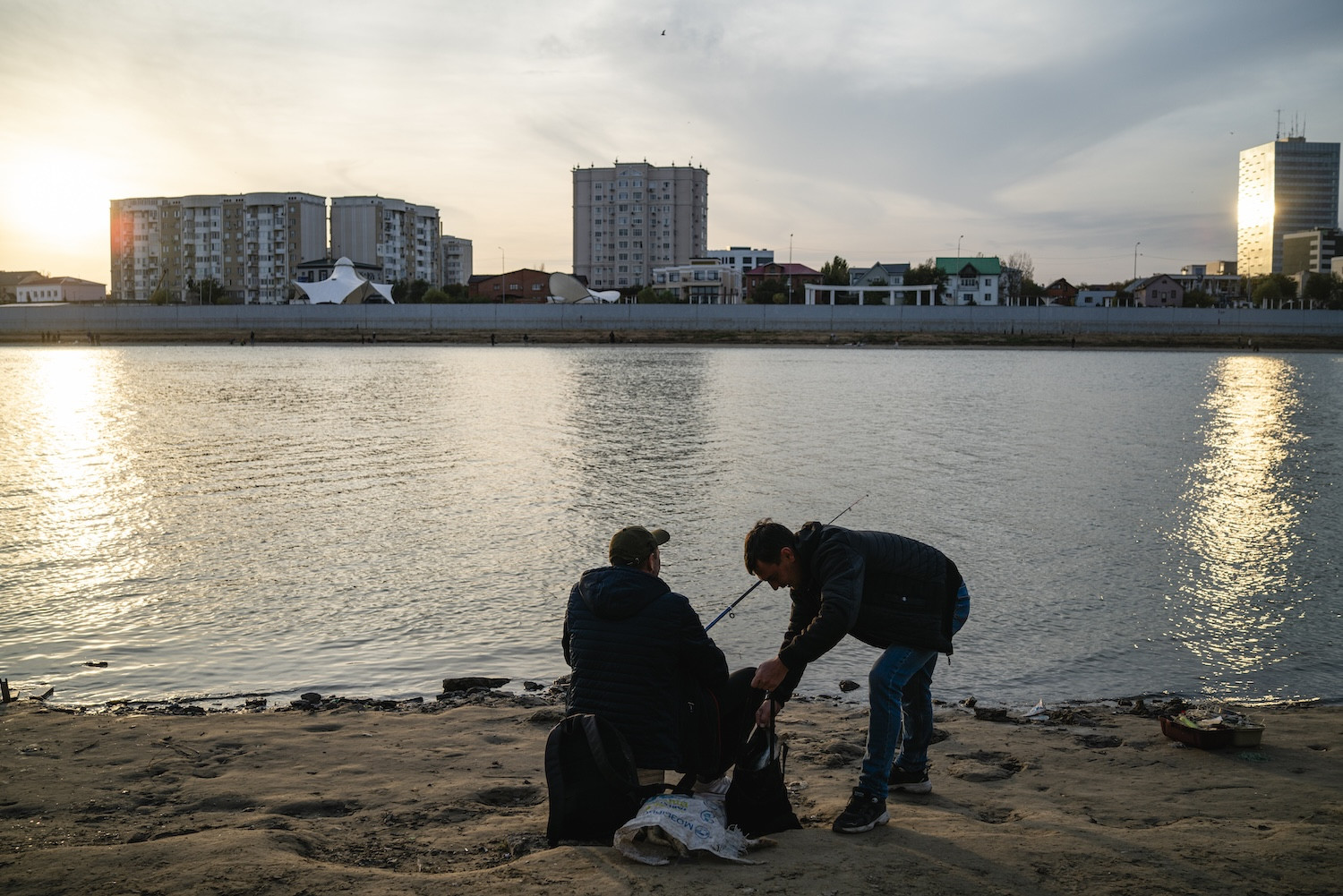
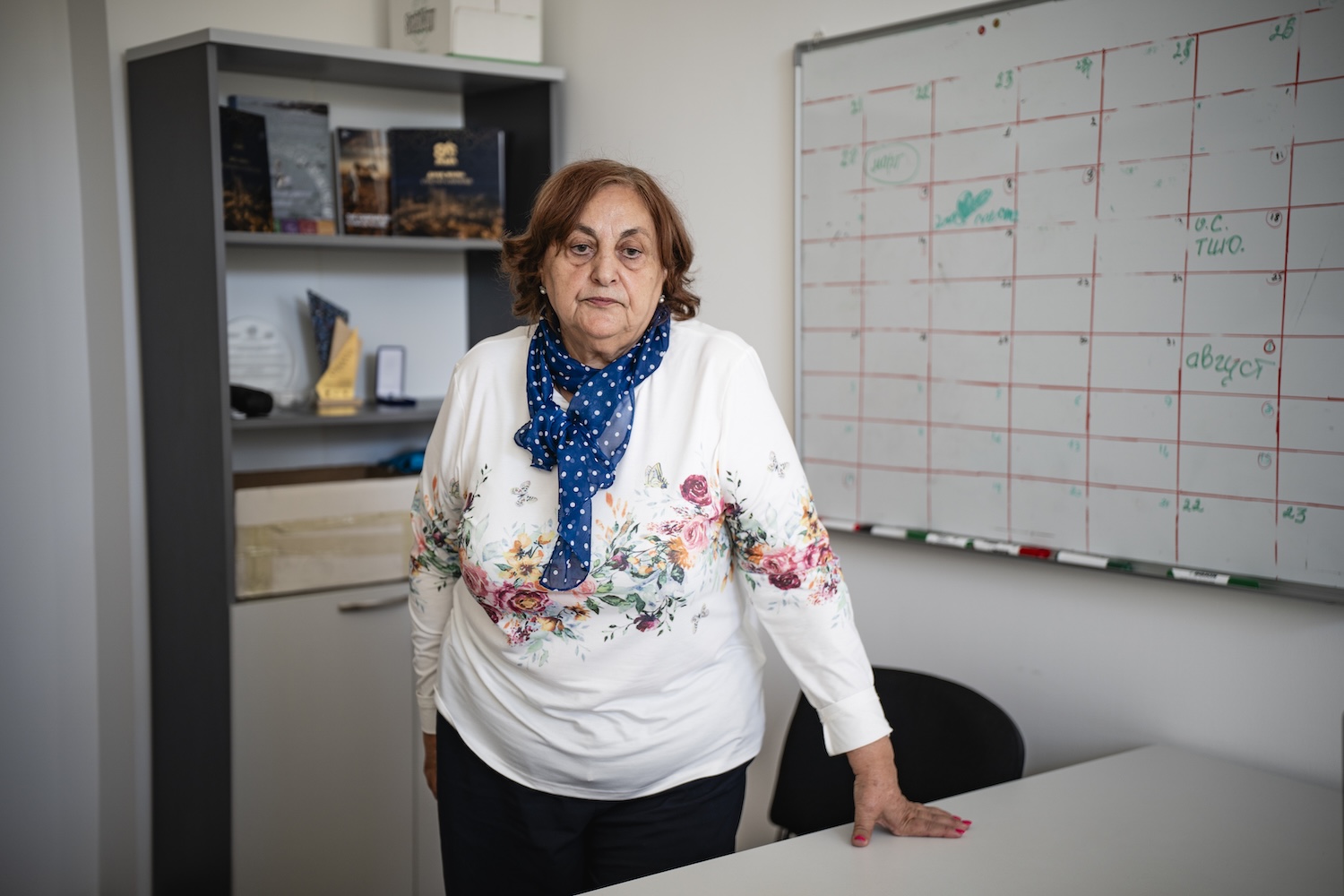
When Galina Chernova first arrived in Atyrau, in north-western Kazakhstan, a tram ran down to the beach on the Caspian Sea. “The water was as warm as milk,” she recalls. “We would spend entire days there. I have rarely felt such joy.” As Chernova revisits those memories, evening falls over Atyrau. Behind her, the illuminated signs of the energy companies that dominate the city begin to glow: Eni, Shell, TotalEnergies, ExxonMobil. All are members of the North Caspian Operating Company (NCOC) consortium, which operates the offshore Kashagan oilfield, one of the major sources of crude oil Europe is relying on to diversify its supplies. The consortium is headed by Giancarlo Ruiu, a former Eni executive.
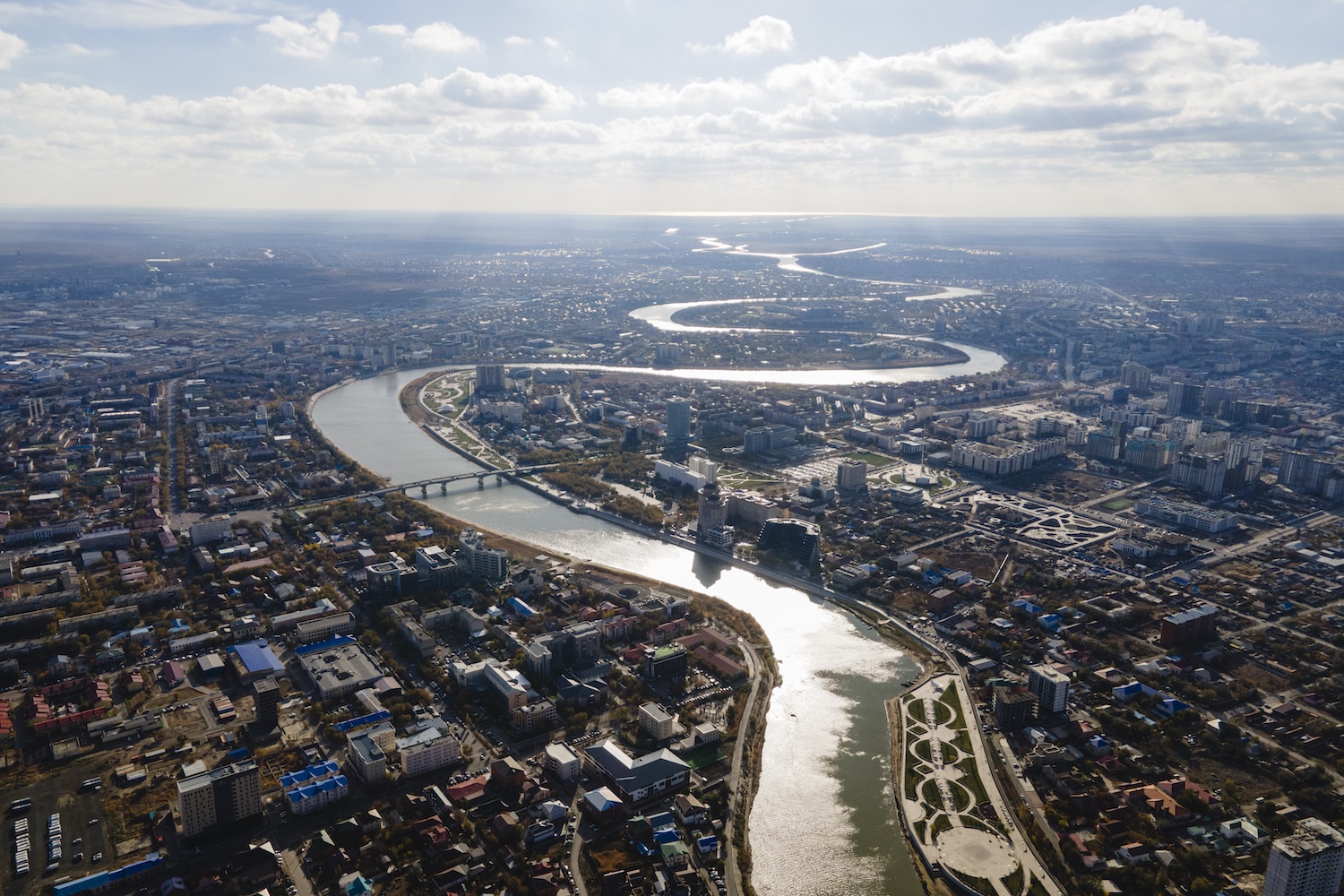
Atyrau has a population of around 330,000 and is the centre of Kazakhstan’s energy industry. The country is nine times the size of Italy but has just over 21 million inhabitants. Straddling the Ural River, the conventional boundary between Europe and Asia, the city is a departure point for oil bound for European markets. In 2025, one in every eight barrels of oil imported into Italy came from Kazakhstan (12% of the total).
But Atyrau is also where that journey leaves its deepest scars. Today, the sea Chernova remembers has almost disappeared behind a barrier of terminals, logistics bases and oil infrastructure. A former civil servant, Chernova is one of Kazakhstan’s best-known environmental activists. For years, she has repeated the same warning: “They are poisoning the Caspian Sea.”
A City Transformed
For much of the 20th century, Atyrau depended largely on fishing. Sturgeon, the fish from which caviar is produced, was both a symbol of the region and one of its main resources. Then came oil. Following the collapse of the Soviet Union, Kazakhstan opened its energy sector to foreign investors. The first major step came in 1993, when Chevron arrived to develop the onshore Tengiz oilfield, a few hundred kilometres from Atyrau. But it was several years later that the city’s fate changed for good.
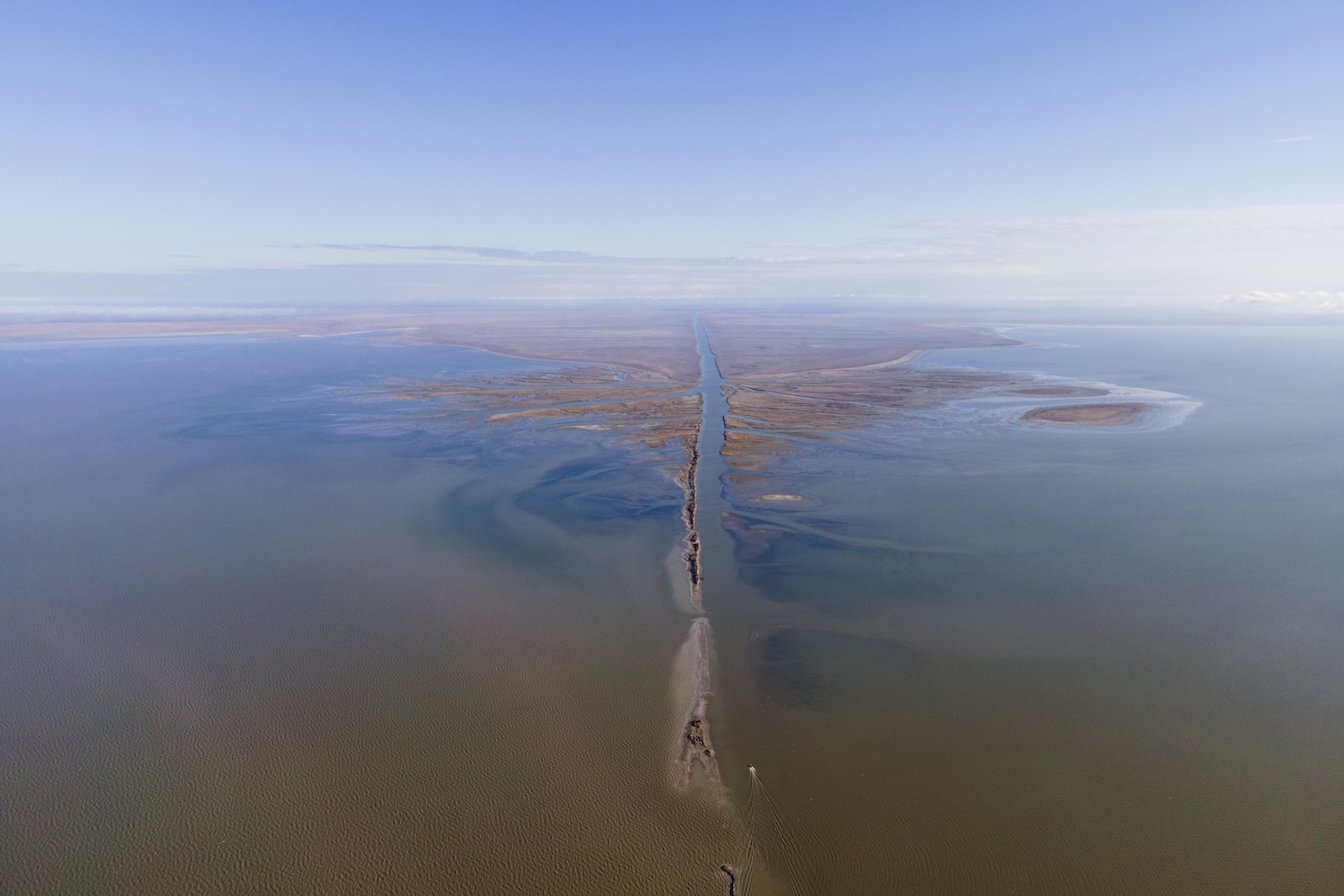
In 2000, Kashagan was discovered in the northern Caspian Sea. One of the world’s largest offshore oilfields, it brought together some of the biggest international energy companies. Atyrau became the operational centre of Kazakhstan’s oil industry and, over time, a gateway for some of the crude destined for European markets. Kashagan, however, is also one of the most technically challenging oilfields ever brought into production. Beneath the seabed, the oil contains high concentrations of hydrogen sulphide (H₂S), a highly toxic and corrosive gas that makes every stage of extraction and transportation particularly hazardous.

“They cannot separate it completely, and when it mixes with methanol, corrosion increases during transportation. When production first began, even extremely high-quality Japanese pipes cracked,” says Arthur Shakhnazaryan, a local journalist who has followed the project since its inception. In 2013, just weeks after production began, operations at the field were suspended because of corrosion. It took another three years of work and tens of billions of dollars in investment before Kashagan entered sustained production in 2016.
For Galina Chernova, however, the cost of the oil rush was visible even before the crude left the offshore platforms. “Those were the natural feeding grounds of sturgeon. Today, nothing is left. This species, which has existed since the age of the dinosaurs, is disappearing, partly because of oil extraction.”

In 2025 alone, Transparent World identified 238 oil slicks in the northern Caspian Sea using radar images from the European Copernicus programme’s Sentinel-1 satellite. The organisation, which monitors oil spills, links most of them to shipping activity.
A map by Benedetta Pagni shows the 238 oil slicks identified by Transparent World:
But our investigation uncovered evidence more directly relevant to the oil companies. By examining optical imagery from the Sentinel-2 satellite, we identified anomalies on the sea surface within the contractual area of the North Caspian Project, the concession operated by the NCOC consortium. The images show dark streaks near offshore infrastructure and vessels operating in the area.
Their shape, distribution and colour characteristics are consistent with possible releases of hydrocarbon-based substances. Optical satellite imagery alone, however, cannot establish their chemical composition or conclusively determine their source. The anomalies do not all appear to have the same origin. Some are associated with the presence of vessels, while others appear immediately adjacent to oil installations.
This finding is significant in light of the response NCOC and Eni provided to our requests for clarification. The consortium maintains that the slicks reported in 2025 were located outside its concession and states that “since production began in 2016, there have been no hydrocarbon spills from NCOC’s production facilities”.
Yet the images examined by our newsroom show anomalies within the contractual area as well. Their presence does not, in itself, establish that hydrocarbons were released from NCOC facilities, but it raises questions that the consortium’s response has yet to address. NCOC has promised a specific response to the images we collected. We will publish it as soon as we receive it.
Following the Oil
As tensions in the Strait of Hormuz have brought energy security back to the forefront, Caspian oil has become even more strategically important. For Brussels, it represents an alternative to Russian crude. For Italy, Kazakhstan has become one of its most important energy partners. Following this route also means following the traces of pollution it leaves behind. Because when the crude leaves the sea and reaches land, further questions begin to emerge.
But first, it is worth tracing the journey itself. The oil begins its journey at the Kashagan field. A network of subsea pipelines carries it to the Bolashak processing plant, on the outskirts of Atyrau, where hydrogen sulphide (H₂S) is separated from the crude. From there, most of the oil enters the Caspian Pipeline Consortium (CPC) pipeline, which runs to the Russian port of Novorossiysk on the Black Sea, where it is loaded onto tankers bound for European markets.

Hydrogen sulphide, however, is not merely a concern within processing facilities. In Atyrau, residents describe a sharp, persistent smell in the streets and homes, reminiscent of rotten eggs and burnt metal. It seeps into houses, clings to clothes and lingers in people’s hair for hours. For many residents, living with the smell has become part of everyday life. For others, it marked the beginning of a fight.
“I became an activist about fifteen years ago because I kept seeing people coughing. Many had watering eyes, burning throats and constant headaches. People would wake up in the morning feeling as though they hadn’t slept,” says Tanat Nurumov, a karate instructor, blogger and activist. Sitting in a café in the city centre, he points towards the street beyond the window. “Even now,” he says, “the air out there is unbearable.”

Over time, however, his concerns have grown beyond the smell. “Every year, I see more and more people developing cancer. There aren’t enough medicines or sufficient funds. Doctors rarely speak openly about it, but you only have to look at the data.” The available research does not establish a causal link between pollution from oil operations and cancer incidence. However, data from Kazakhstan’s National Cancer Patient Registry show that the Atyrau region frequently ranks among those with the highest indicators for several forms of cancer, including prostate cancer, pancreatic cancer and breast cancer diagnosed at an advanced stage.

Residents’ accounts have also prompted scientists to look for answers. “The problem came to light when residents began complaining about a very strong smell. Many were suffering from headaches, particularly in the early morning,” says researcher Mansiya Yessenamanova. Those complaints led to the creation of a network of fifteen monitoring stations connected to the public Air.kz platform, which tracks air quality in real time.
The findings challenged a widely held assumption in the city. Residents had blamed the smell directly on the Atyrau refinery. But by examining the distribution of pollutants, the research team identified one of the main sources as the Tukhlaya Balka evaporation pond — literally, “stinking valley” — where municipal wastewater and industrial waste from the refinery had accumulated for more than fifty years.

The Tanker Trucks
Chernova is convinced there is more to the story. If Tukhlaya Balka is one of the main accumulation sites for waste from the old refinery, one question remains: where is the sharp, unbearable stench that continues to permeate other parts of the city coming from?
To find an answer, she begins spending nights along the roads of the industrial district. Between 2020 and 2022, together with other activists, she monitors tanker-truck movements, photographs vehicles, records number plates and follows trucks carrying wastewater and liquid waste from oil facilities. During one of these surveillance operations, she notices something unusual. Many trucks do not take the road towards Tukhlaya Balka. Instead, they turn in another direction and head towards a different evaporation pond, known as Kvadrat because of its square shape. “When we approached the discharge pipe,” she recalls, “we saw that what was coming out wasn’t ordinary municipal wastewater. It was black. And it had the unmistakable smell of petroleum products.”

According to public records, Kvadrat receives domestic wastewater carried through the sewerage network operated by the municipal utility Atyrau Oblysy Su Arnasy, including wastewater from authorised industrial activities, provided it complies with the limits established by environmental regulations. Through requests for access to official records, Chernova reconstructs the wastewater disposal chain. Her investigation leads her to Petrofac-ISKER LLP, a company involved in building a new wastewater treatment plant on behalf of NCOC.
According to her findings, untreated domestic wastewater from portable toilets at the construction site was transported by Nasar Solutions LLP, another subcontractor working for the consortium, to facilities operated by the public wastewater utility KGP “Atyrau Region Su Arnasy”.

Documents reviewed by IrpiMedia corroborate this part of her account. In an official response dated February 2023 and signed by the consortium’s environmental manager, NCOC states that between April 2021 and February 2022, Petrofac-ISKER contracted Nasar Solutions to transport domestic wastewater from the construction site. From March 2022 onwards, the response continues, contractors’ wastewater was instead transported to the Samal treatment plant, where the treated effluent was subsequently discharged into evaporation ponds. It is at this point, however, that Chernova’s reconstruction and the consortium’s account begin to diverge.

According to the activist, the trucks were carrying not only domestic wastewater but also water from washing industrial equipment and testing plant installations. Such wastewater, she argues, should have undergone treatment to reduce pollutant concentrations below the legal limits before disposal. NCOC rejects this account. The consortium reiterates that “NCOC’s contractor transferred domestic wastewater from composting toilets at the construction sites to the municipal utility networks of Atyrau Oblysy Su Arnasy under a contract and in compliance with the law”. It specifies that “this was domestic wastewater from the contractor, not production wastewater”. Chernova disputes not only the nature of the wastewater but also the volumes involved.
NCOC acknowledges that in 2021 alone, 1,422 cubic metres of wastewater were transferred to the public sewerage network through Nasar Solution. More than six times the authorised annual volume. According to the permits and documentation, the contract between Su Arnasy and Nasar Solution authorised transfers of no more than 234 cubic metres per year. “It’s illegal,” Chernova says. “There is no technical justification for it.”
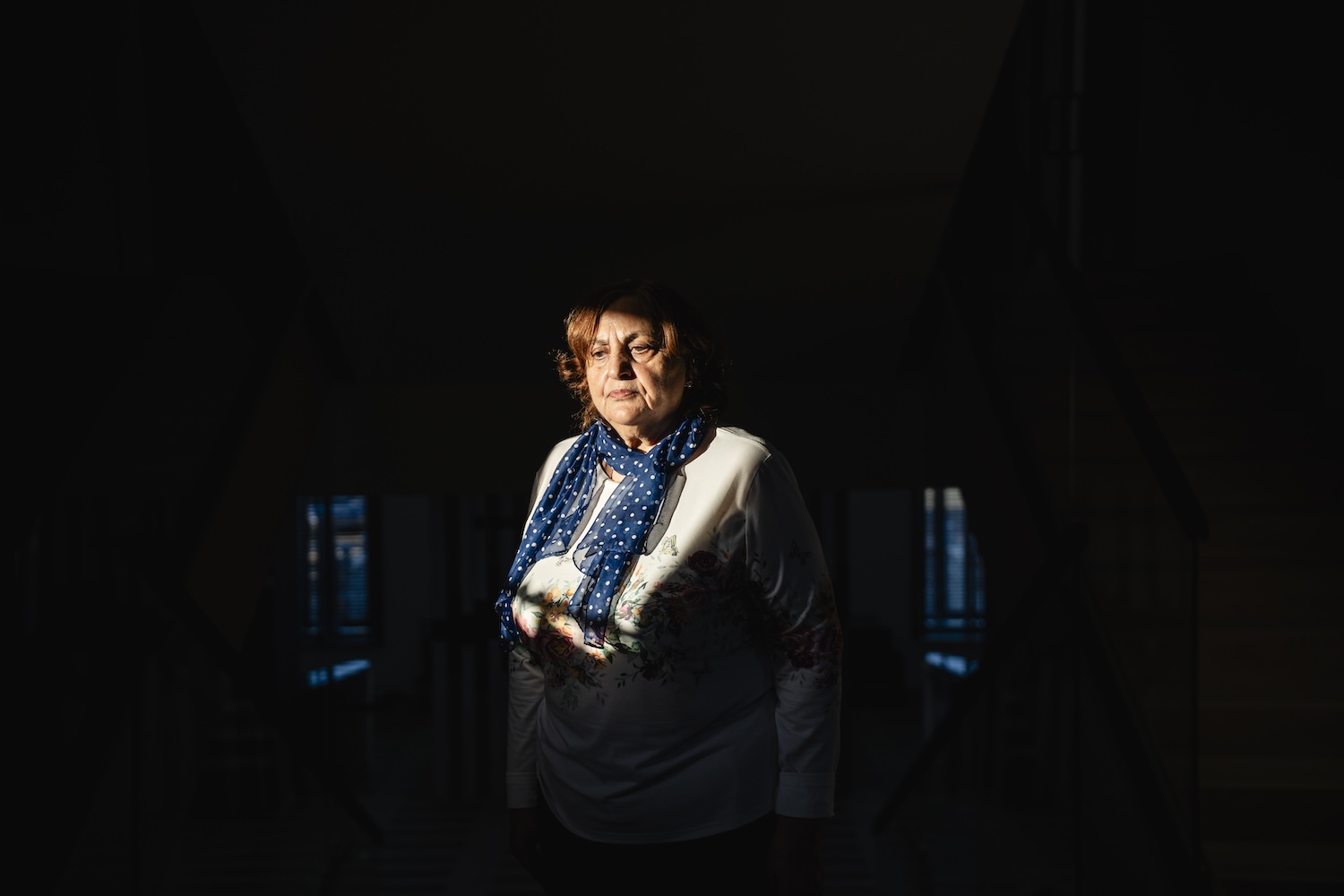
International legal expert Fabio Marcelli explains the broader implications. “Entrusting waste or wastewater management to a subcontractor does not, in itself, absolve the contracting company of responsibility,” he says. “International standards on business and human rights make clear that companies must also pay attention to adverse impacts linked to their business relationships, including those involving subcontractors.” The United Nations Guiding Principles on Business and Human Rights and the OECD Guidelines for Multinational Enterprises call on companies to “identify risks, prevent them and take action to mitigate them”, although these standards “do not automatically give rise to legal liability”.
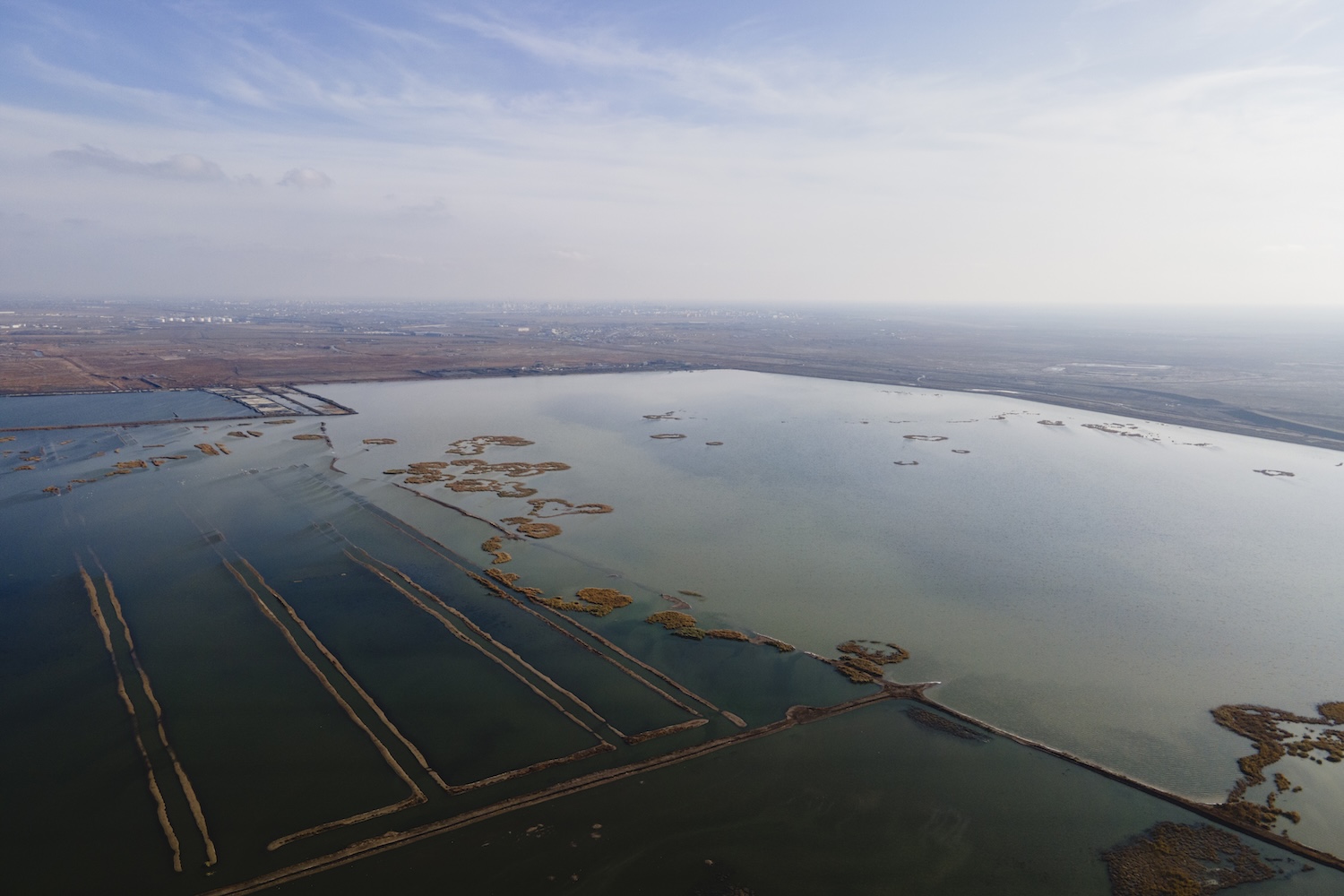
Meanwhile, the monitoring group also examines plume maps, which model how pollutants disperse through the atmosphere. This gives Chernova another piece of evidence. “They clearly show that one of the sources is the Kvadrat area,” Chernova says. When the allegations become public, the response comes not in the form of new environmental tests but through the courts.
Nasar Solution sues Chernova for defamation. “They accused me of damaging their reputation, spreading false information and challenged what I had published about Kvadrat,” she recalls. After the case against her is dismissed at first instance, the company appeals. Represented by lawyers specialising in human rights protection, Chernova also succeeds in having the claims dismissed on appeal. “I thought about the families living just a few hundred metres from the pond. That was when I realised I couldn’t stop, even when they tried to intimidate me. I spent a year in court as though it were a full-time job.”
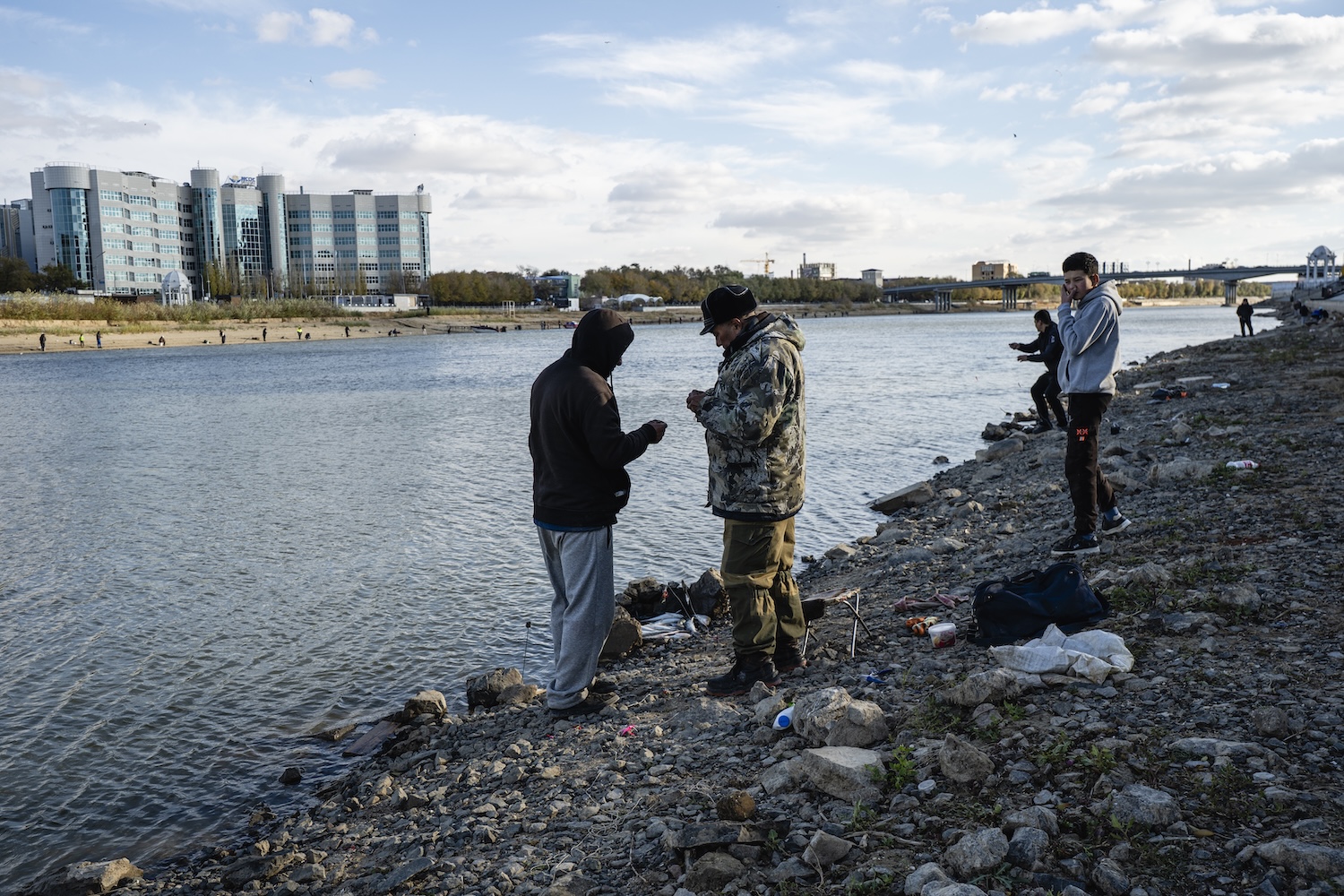
Testing the Evidence on the Ground
Satellite images show oil slicks in the Caspian Sea. The documents gathered by Chernova trace the wastewater disposal routes. University researchers identify one of the main sources of hydrogen sulphide. But one question remains: what do the water and soil around the ponds identified by the activists reveal today?
To find out, between October 2025 and February 2026, we carried out a new environmental sampling campaign at the two sites at the centre of Galina Chernova’s allegations and the research coordinated by Mansiya Yessenamanova. Water and soil samples were analysed by Source International, an independent organisation providing scientific and technical assistance to communities affected by industrial pollution. The results provide evidence of contamination involving substances associated with oil industry activities, although the analyses alone cannot establish which individual operators were responsible.

“The water clearly shows severe organic contamination,” says Flaviano Bianchini, founder and director of Source International, referring to the presence of hydrocarbons. “We found chlorides, sulphates and petroleum products. The BOD value — biochemical oxygen demand — is particularly high, indicating bacterial concentrations typical of untreated wastewater.” Biochemical oxygen demand measures the amount of dissolved oxygen consumed by microorganisms as they break down biodegradable organic matter. A high reading is consistent with a substantial organic load, as can occur in untreated wastewater, but does not directly measure bacterial concentrations.

Nor is this an isolated anomaly. Samples analysed by Galina Chernova in 2021 also showed pollution levels far above the permitted limits. They contained petroleum products, chlorides and phenols, with concentrations in some cases exceeding regulatory limits by tens or even hundreds of times.
The soil, however, provides another significant piece of evidence. Laboratory analysis detected petroleum products at concentrations of up to 2.53 milligrams per kilogram. The significance of this measurement depends on the substances analysed, the testing method and the applicable reference values. “The concentrations are high and, crucially, the hydrocarbons are not confined to the surface,” Bianchini observes. “We also find them at depth. This suggests contamination that has built up in layers over time, which is inconsistent with a single spill.”
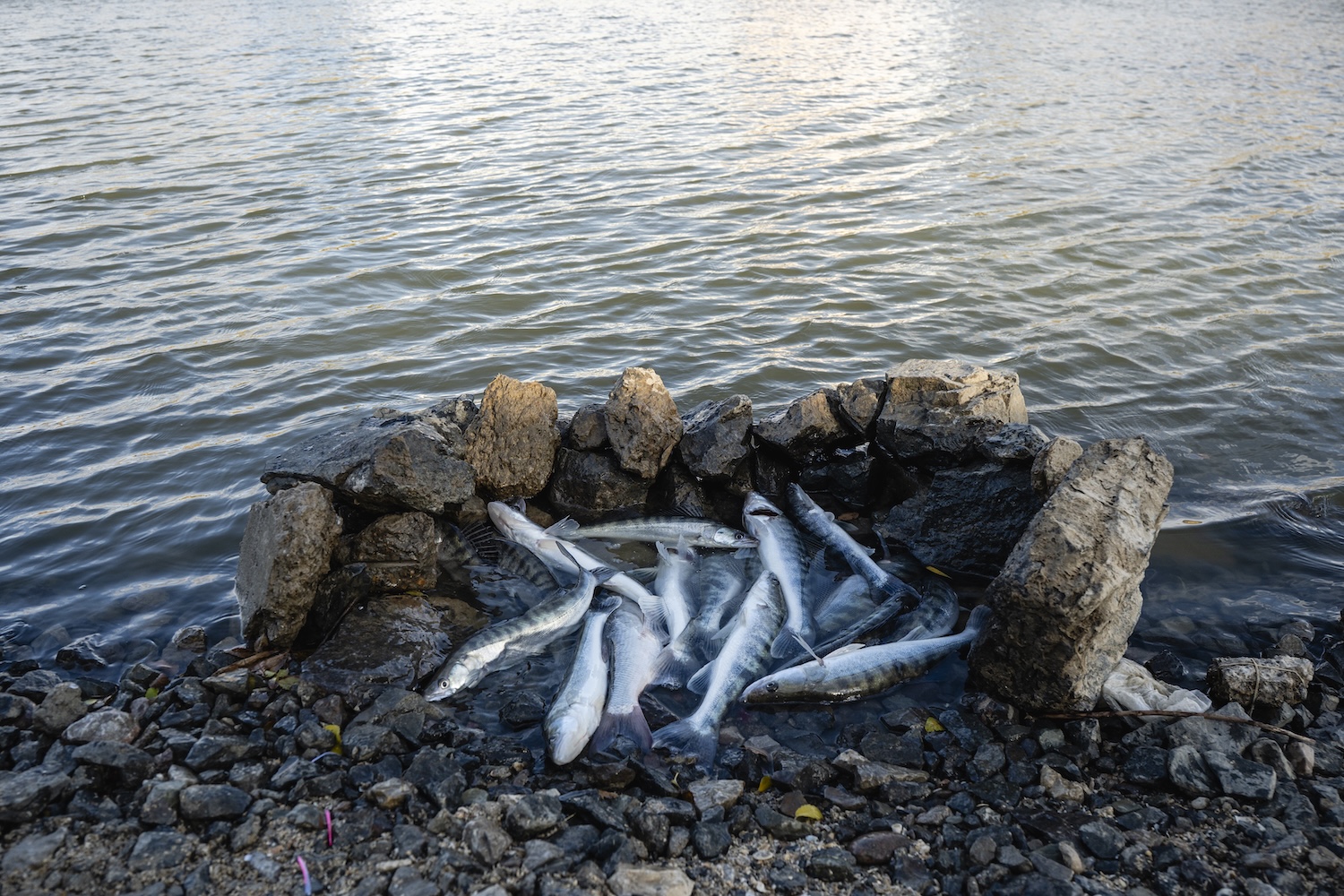
The findings also raise questions about how long the contamination has been present. Rather than pointing solely to a recent incident, the detection of hydrocarbons at different depths is consistent with contamination that may have accumulated over time. Establishing its precise chronology, however, would require further investigation. And the contamination may not remain confined to the soil. “When it rains,” Bianchini explains, “petroleum products can seep into the ground and reach the groundwater, contributing to water contamination.”
The analyses also detected heavy metals, including cadmium, an element known for its capacity to bioaccumulate. “Cadmium tends to biomagnify,” Bianchini says. “Its concentration increases as it moves up the food chain. If this water is used for agriculture or livestock farming, the contaminant can eventually enter food intended for human consumption, such as milk and meat.” The presence of cadmium in the samples does not, by itself, establish that it has entered the local food chain. It does, however, point to a potential exposure pathway that would require further testing.
The Fight Goes On
Galina Chernova’s efforts have never been limited to public allegations or nights spent monitoring industrial roads. For years, her battle has also played out in court.
On 15 April 2021, a court in Atyrau ordered an end to the discharge of untreated wastewater into the Kvadrat pond. According to the activist, however, the ruling went unenforced for a long time. The municipal utility Atyrau Oblysy Su Arnasy allegedly secured repeated extensions to the deadline for complying with the judgment over several years. The situation changed between late 2025 and early 2026, when the city court and the regional court definitively rejected further requests for postponement, making the order enforceable.
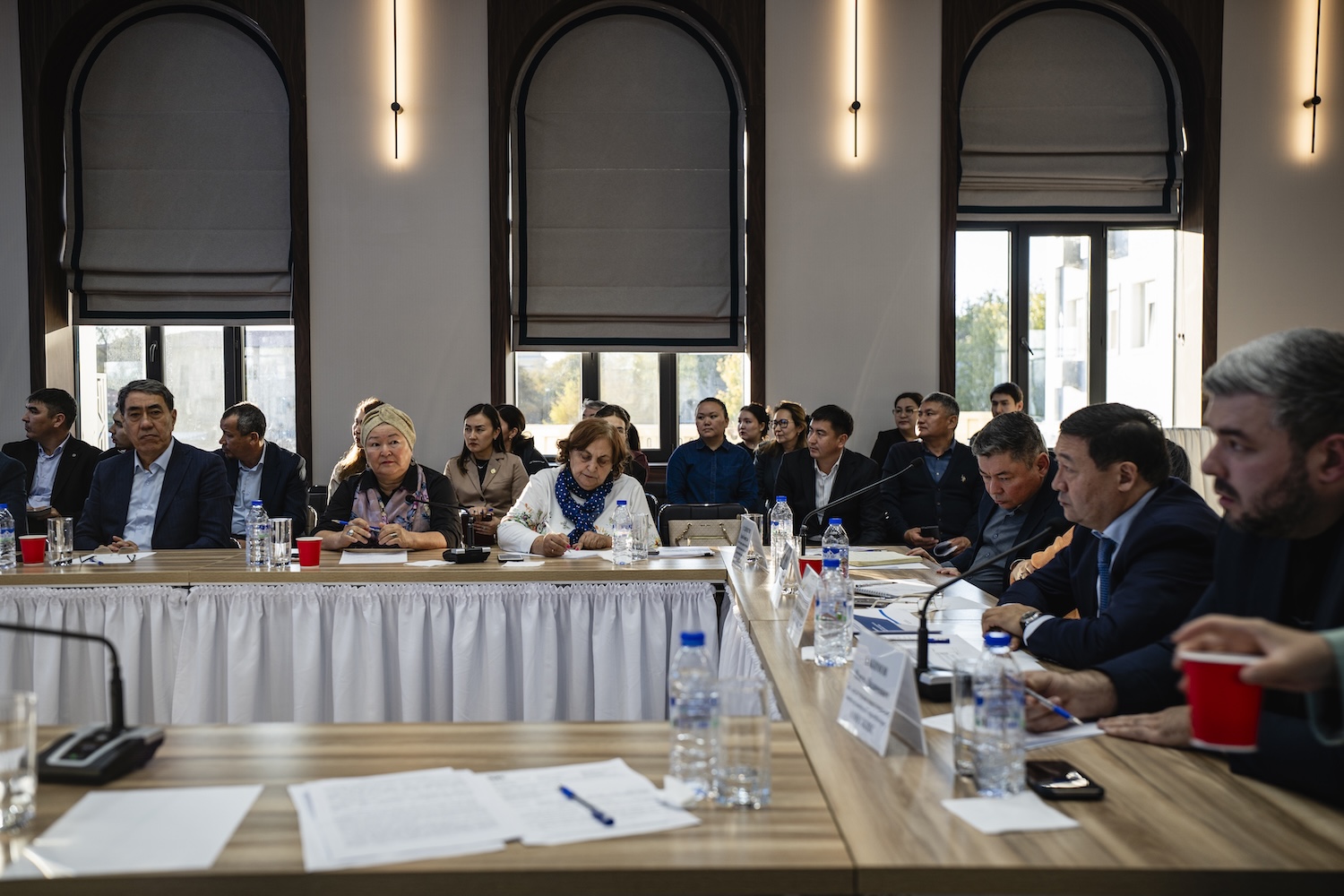
Meanwhile, through her organisation Globus, Galina Chernova and another activist initiated new civil proceedings against Su Arnasy, arguing that the company had operated the pond without adequate controls and had accepted wastewater containing petroleum products. On 9 February 2026, the Atyrau court approved a settlement agreement imposing a series of obligations on the municipal utility. It must test wastewater discharges every fifteen days, allow specialists from the Globus Centre to take samples directly from discharge points before the water reaches Kvadrat, and establish a joint monitoring programme to prevent petroleum products and other pollutants from entering the pond. The agreement is legally binding and can be enforced if the company fails to comply.
According to Chernova, following the agreement, the Department of Ecology also began checking whether the measures were being implemented, while a court enforcement officer imposed a penalty on Su Arnasy for failing to comply with its court-ordered obligations. “The wheels have finally started turning,” she says. But for Chernova, the most important achievement is not a court ruling. It is having changed the way the city looks at what happens around the ponds. “For the first time, we’ve managed to let people know who is poisoning the city’s residents.”
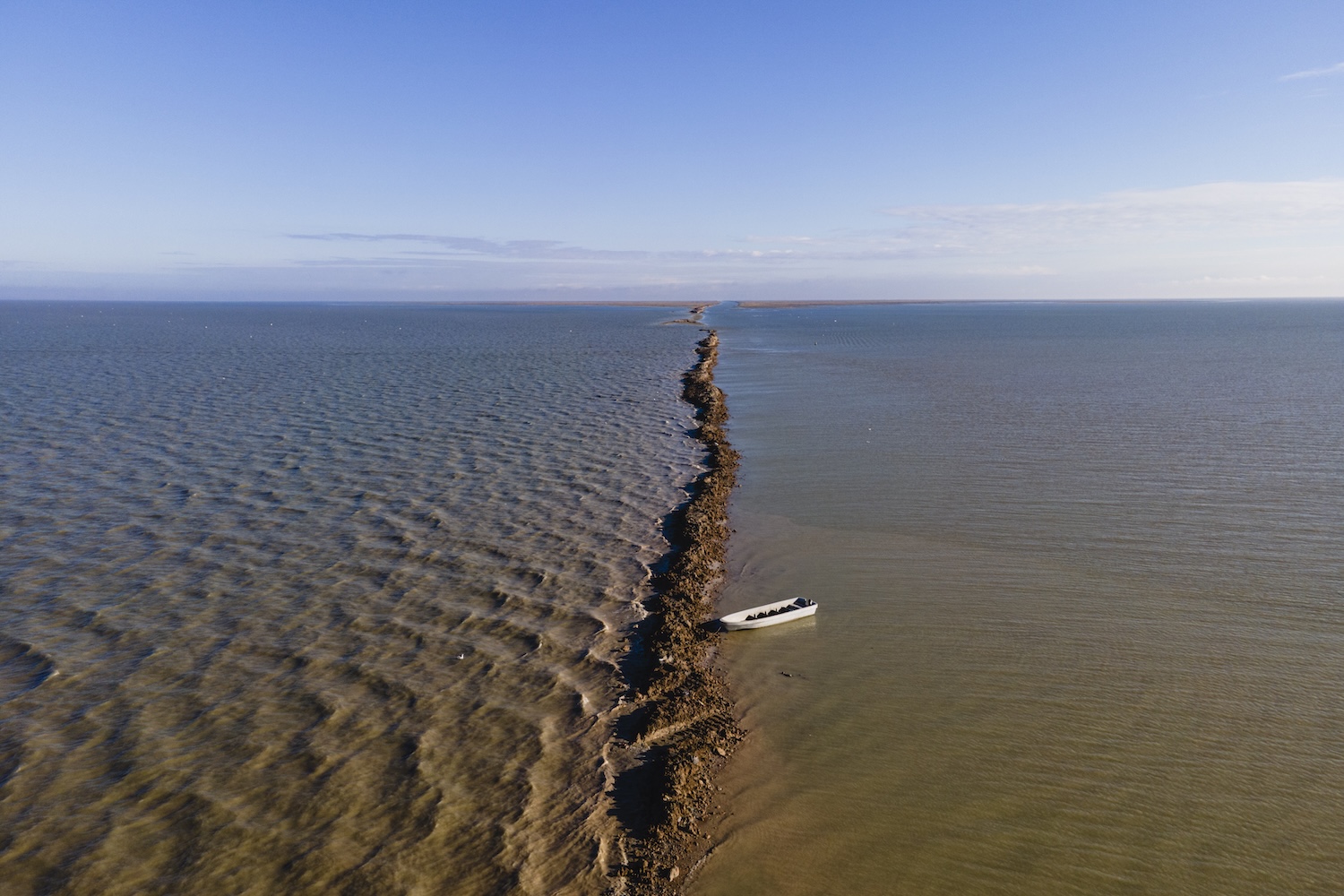
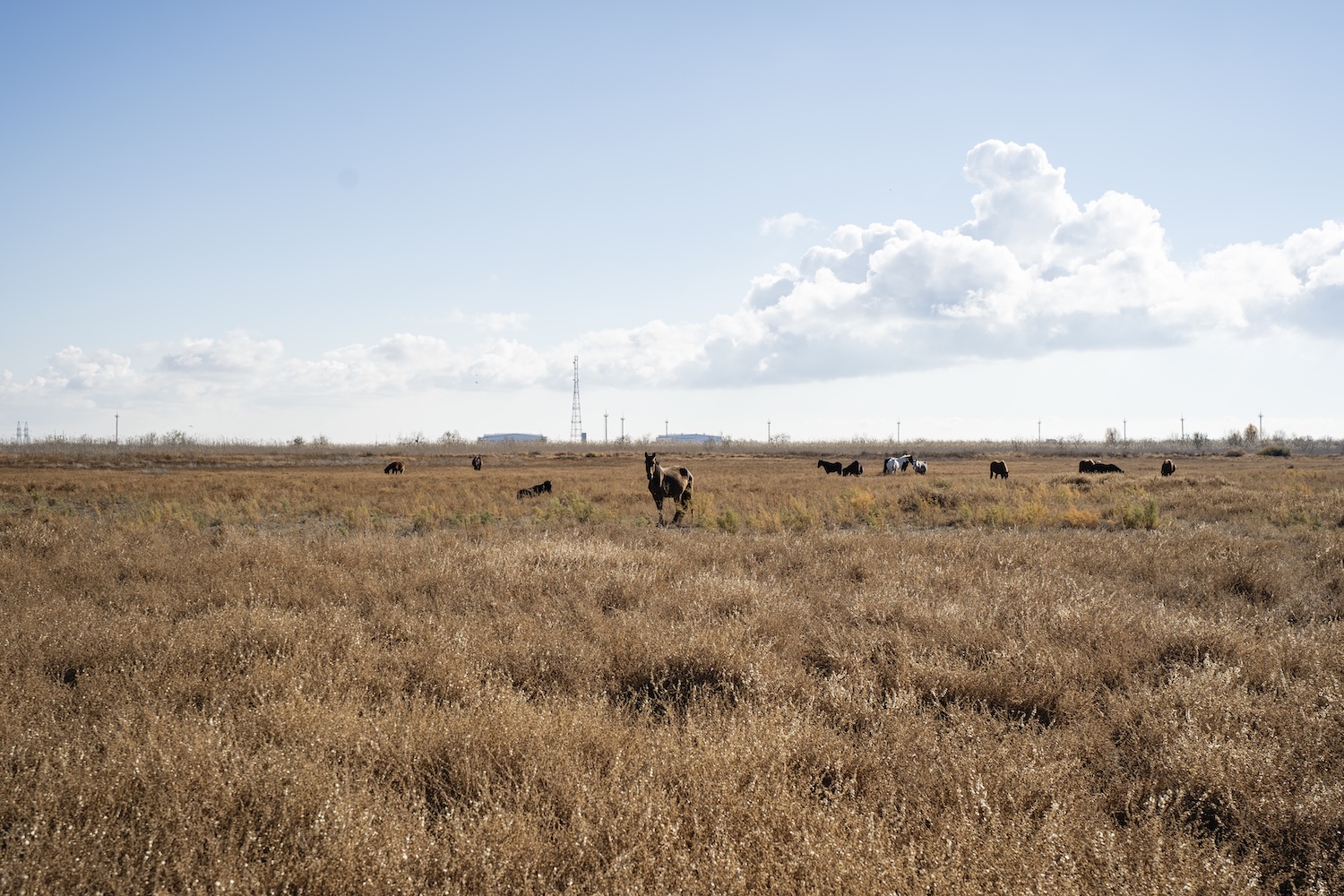
For Chernova, the price of the contamination surrounding Atyrau and the Caspian Sea is measured in a sea and a landscape she no longer recognises. “When the tulips were in bloom, the steppe was an open expanse stretching beyond the horizon, covered in flowers. And it had that scent: not just of freedom, but of will. The will of the Great Steppe.” Today, whenever she passes Kvadrat, she still slows down. The smell is different from the one she remembers. “I can smell the truth,” she says. “And it hurts.”
This investigation has been published in partnership with IrpiMedia and El Salto and has been supported by Journalismfund Europe