



It’s early morning on Lamu Island, a seaside town off the coast of northern Kenya, but many fishermen have been out at sea for hours and already returning to shore with their boats loaded with catches of prawns, red snapper, and octopus.
This is the primary industry for 80% of Lamu residents, yet declining marine ecosystems and the controversial Lamu Port-South Sudan Ethiopia Transport Corridor (LAPSSET), a massive oil pipeline and infrastructure project connecting South Sudan, Ethiopia, and Uganda, have posed serious threats. Daily catches declined from an average of 40 kg to 10kg, and sometimes none at all.
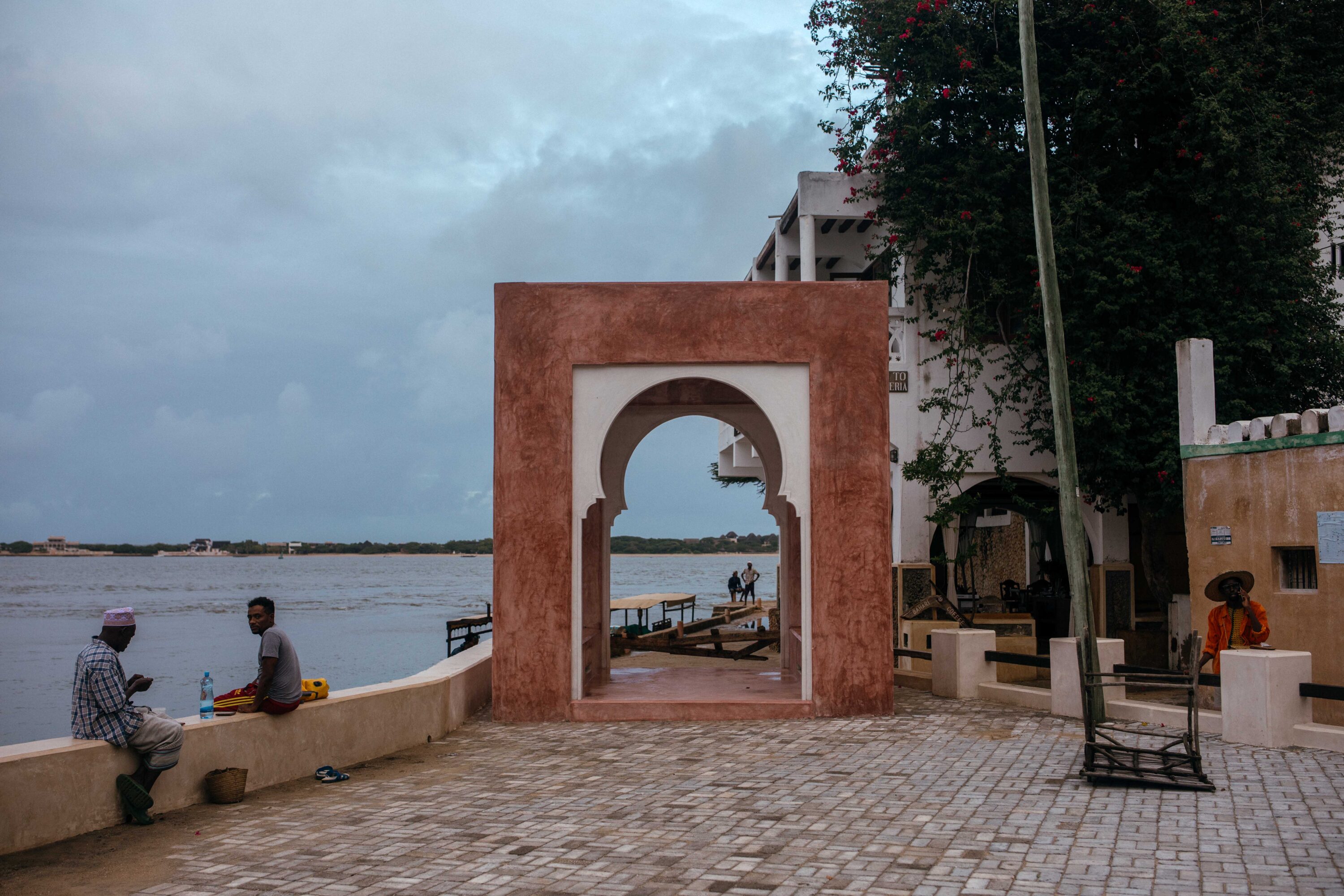
Aswif, a captain in his fifties, says that he has turned to giving dhow (a traditional boat) rides to tourists over recent years although he had been fishing since boyhood. “There are simply no more fish to catch,” he says.
Pollution and the Weight of Extraction
Lamu has been on the frontlines of the global plastic pollution issue: waste management on the island is nearly nonexistent, according to UNESCO, plus heated controversies over oil pipeline developments. Employment rates are dismal, with less than 33% of youths (ages 18-34) working; most work in agriculture, yet the sector has the lowest labor productivity according to the Kenya Institute for Public Policy Research and Analysis.
Across Kenya, settler colonialism continues to haunt the present: low-income locals are systemically marginalized and excluded for the prioritization of upper echelon interests, often with a foreign tilt.
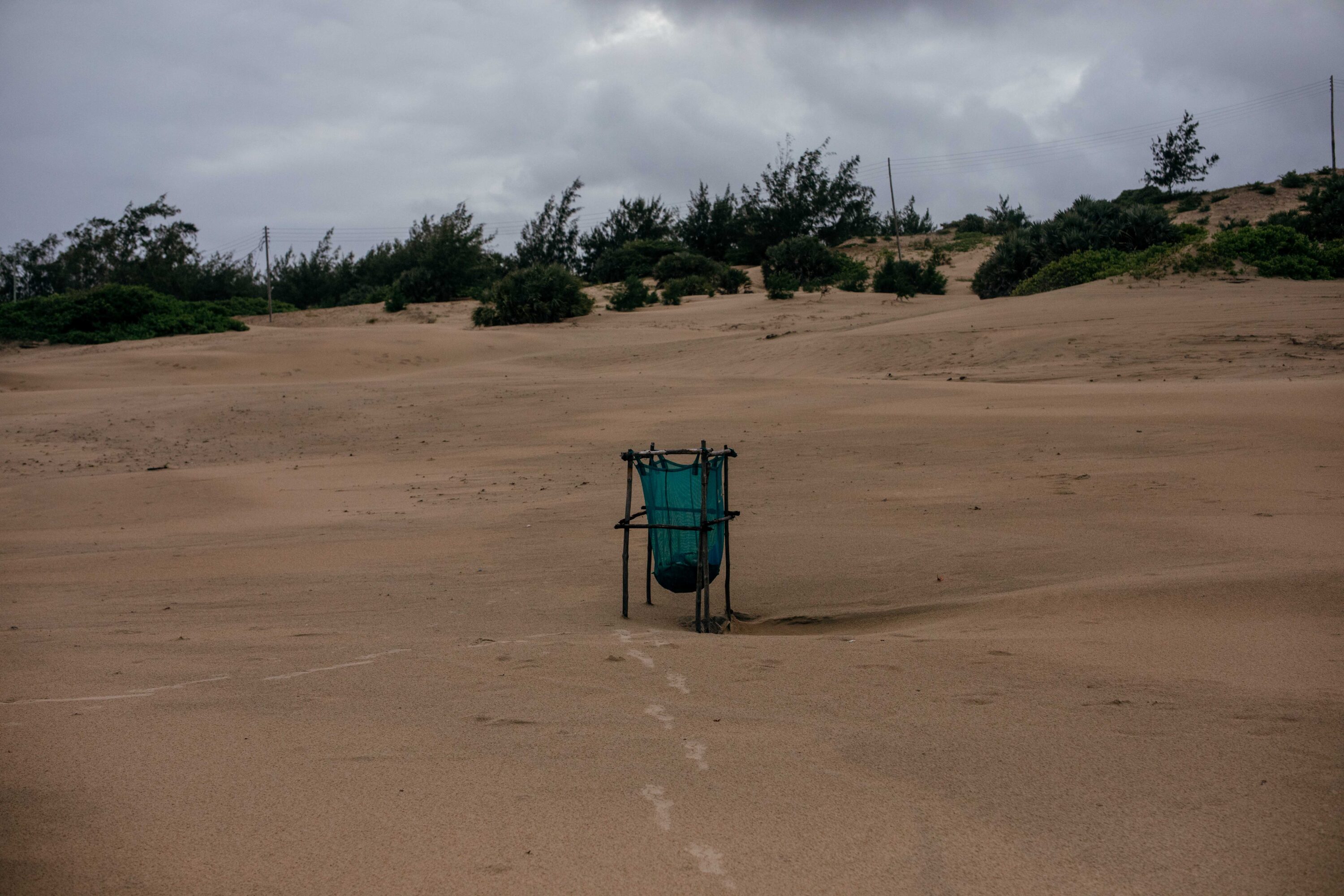
Lamu lacks any form of door-to-door waste collection, unlike other urban areas in Kenya––yet tourists and mainland investors have been found to be significant waste contributors.
Researchers argue that plastic pollution equates to waste colonialism, where capitalist cycles of production and consumption manifest as ecological imperialism, costs that are disproportionately borne by island villagers.
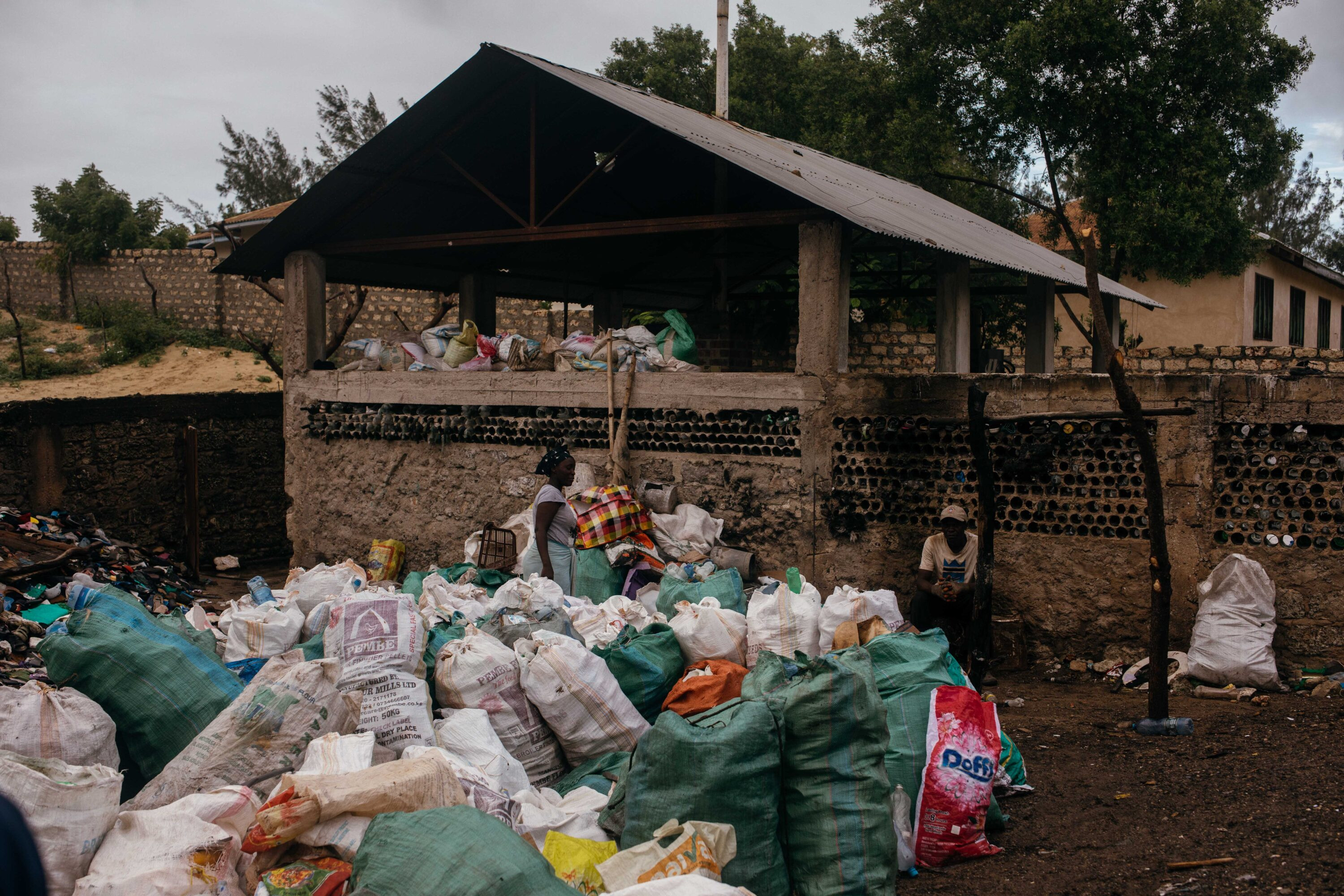
James Waikibia, a Nairobi-based plastic waste campaigner, believes that phrases such as waste colonialism––perhaps holding merit––can be overhyped, used by civil society to look for grants. “It should not detract from the government’s responsibility––their inefficiency and lack of interest in addressing foundational issues” he says.
We need your support to keep publishing content like this.
Keep UntoldMag alive with the price of a coffee
In the absence of any official system to address the problem, individual action is filling the gap. Earth Love, founded in 2019, is one such attempt. The project emerged from local frustration with Lamu’s worsening waste crisis and the absence of public infrastructure, offering a space where people can work directly with the land.
Regeneration in a Ruined Landscape
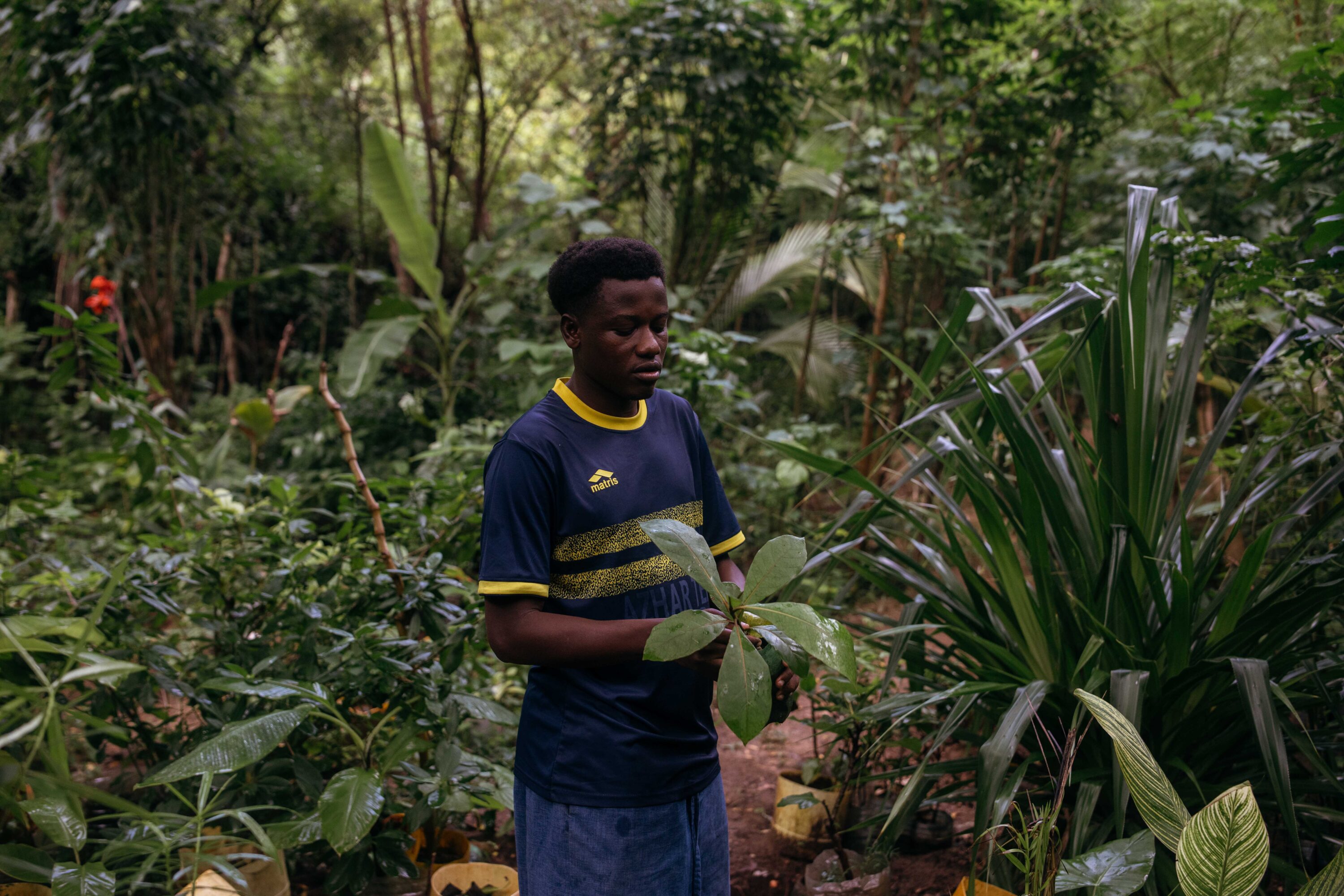
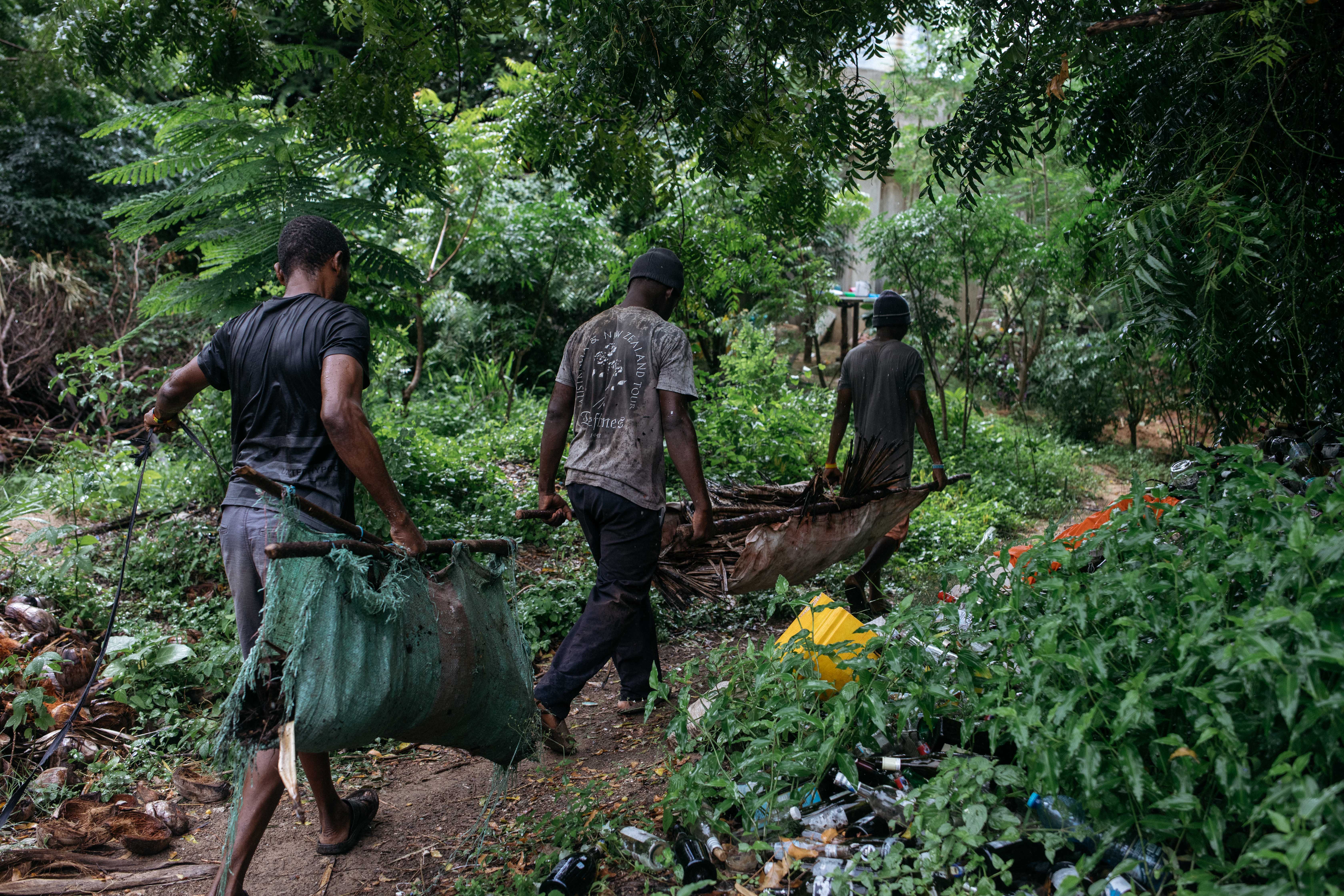
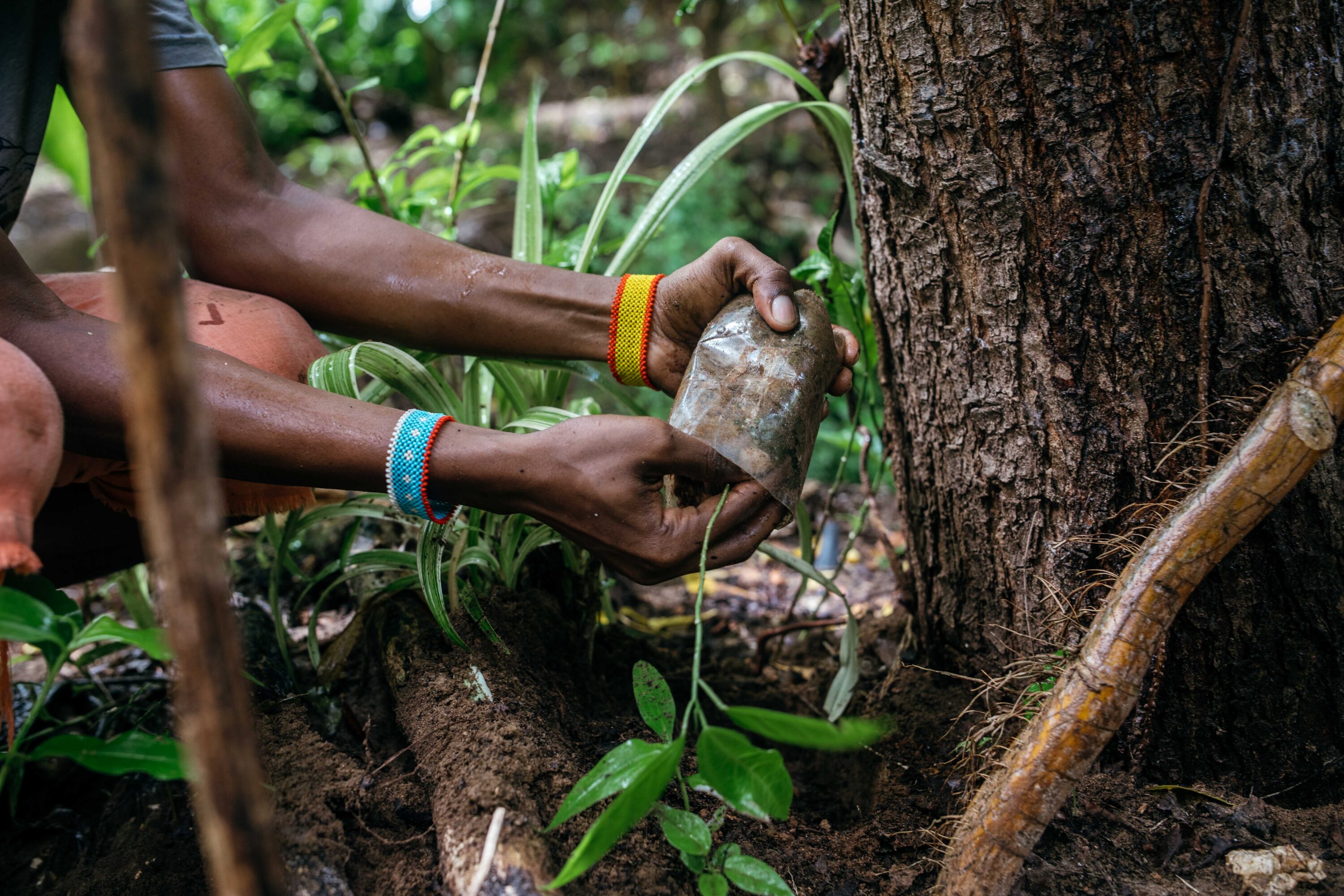
For 30-year-old Abu Bakar, born and raised in Lamu, the shift began during the pandemic. After years working as a fishing-boat captain, he visited the site and was struck by its unlikely potential. “The place was looking crazy,” he recalls. “You don’t expect a dumping site to be a place where you can plant [fruits and vegetables].” Clearing the land took more than a year. What followed convinced him that restoration—however slow—was possible.
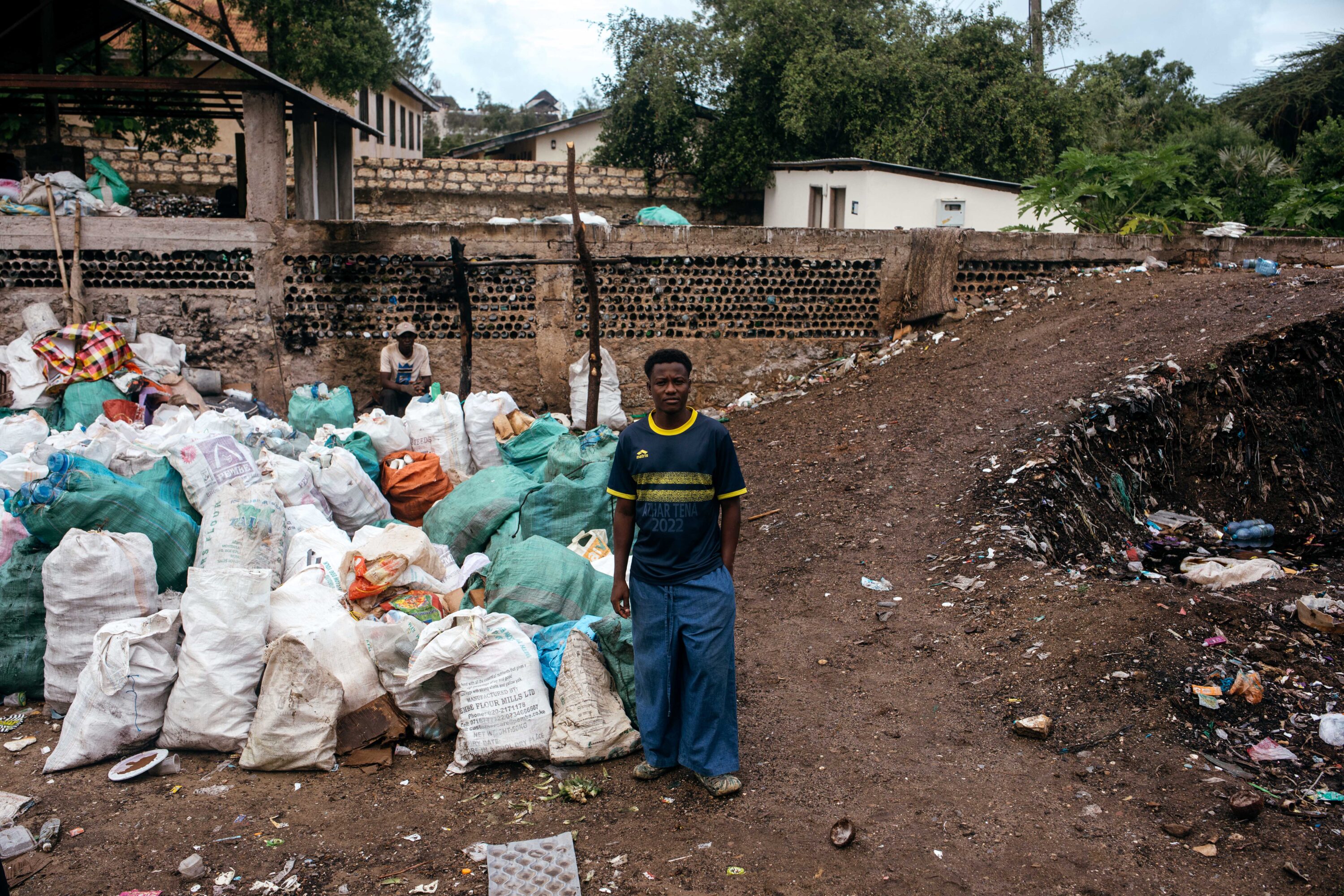
Bakar now works in regenerative agriculture and in the local biochar trade, converting “bones” like coconut shells and tree trunks into carbon-rich material that strengthens soil health. Three years on, he has become a permaculture consultant, despite financial barriers that stopped him from completing his water-engineering diploma. “I’d like to think that I’m someone who is curious and can learn new skills,” he says. “And I hope that through this work others will have the same spirit.”
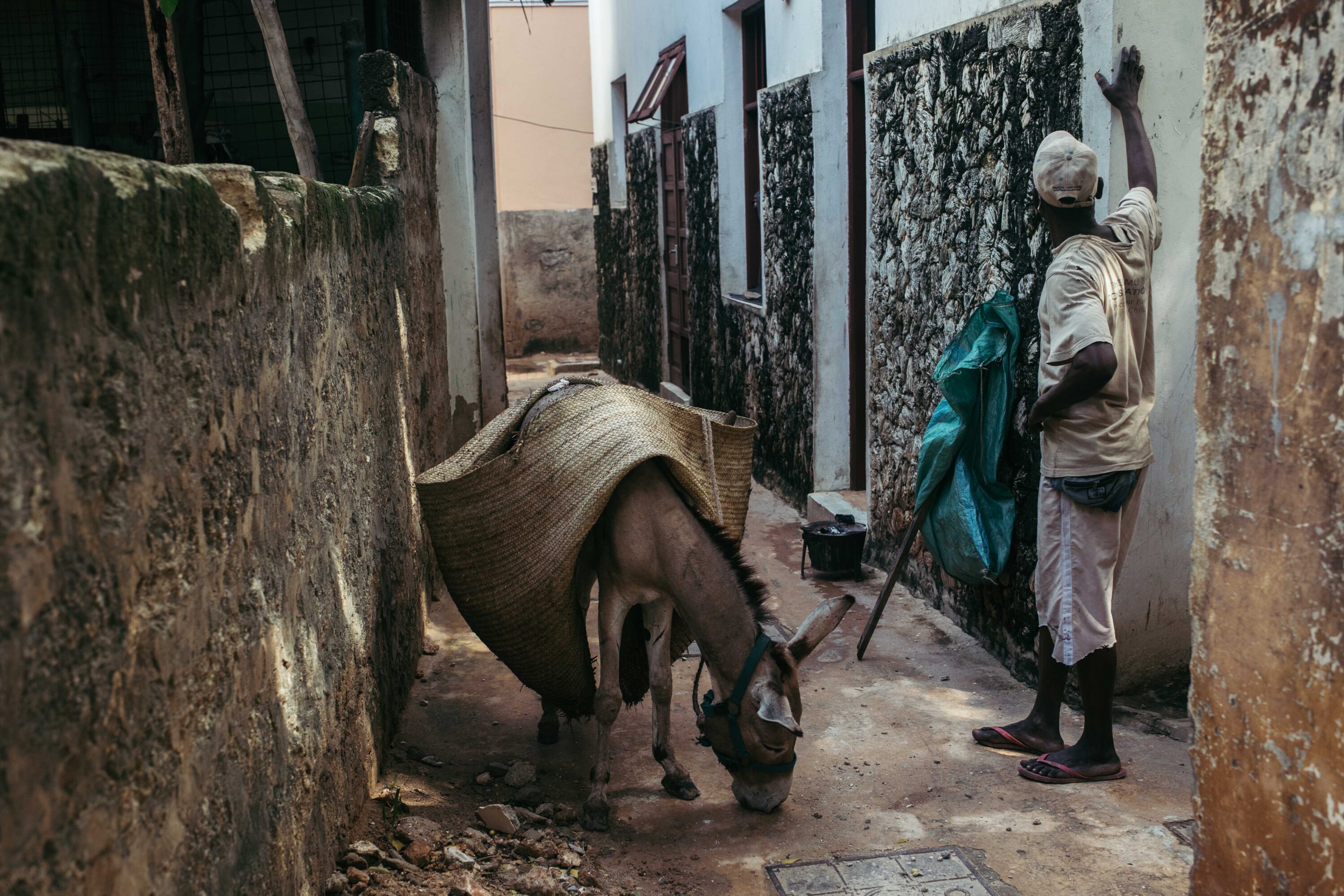
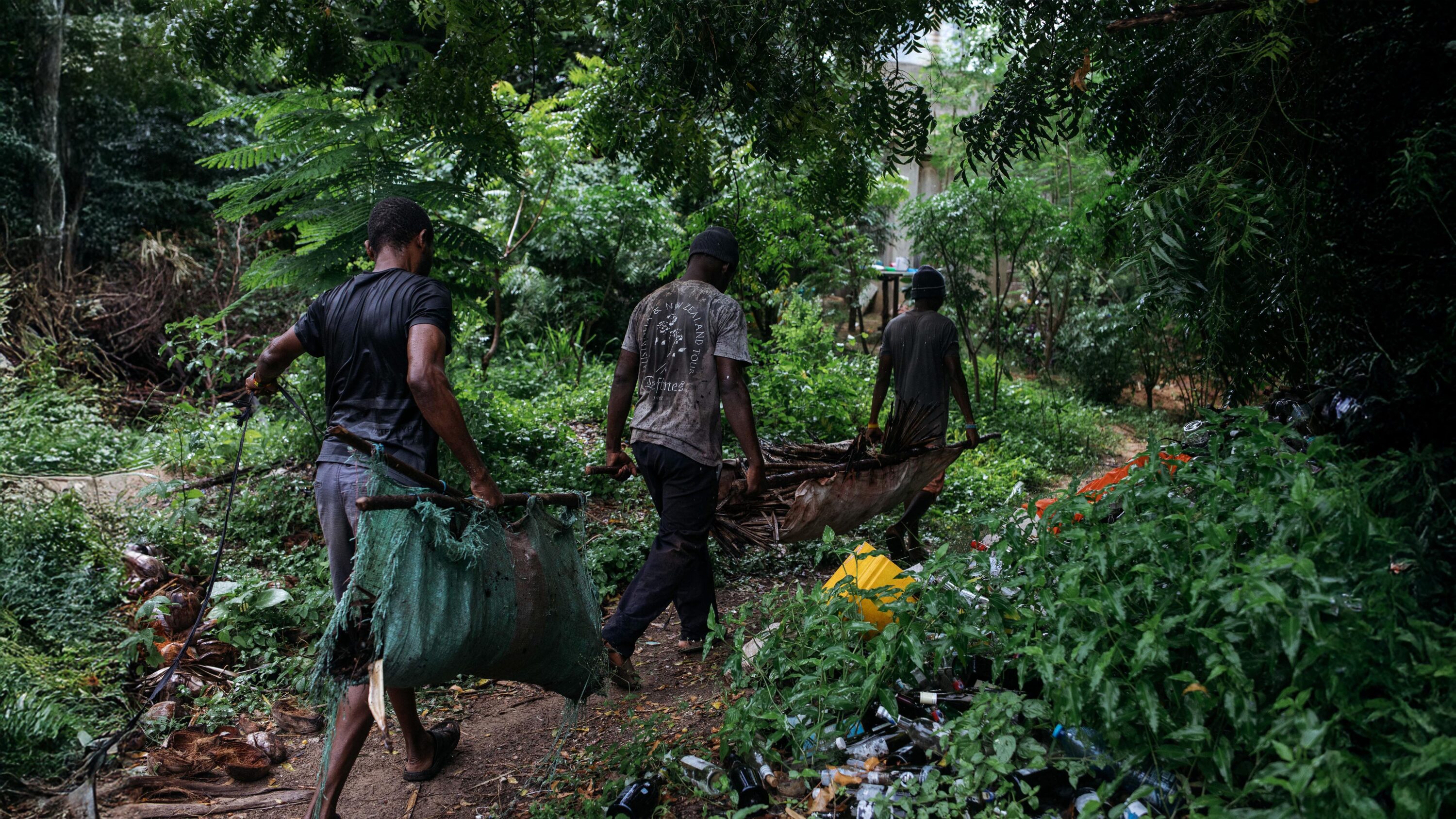
As residents of Shela, a village nestled on southeastern Lamu, trickle into the organization’s grounds with baskets of waste––at times loaded on the backs of donkeys––the handful of employees begin the sorting process, separating glass bottles from cuttings from palm and banana trees. The former will be repurposed into construction materials or household decor, while the latter will be composted into both dry and wet fertilizers.
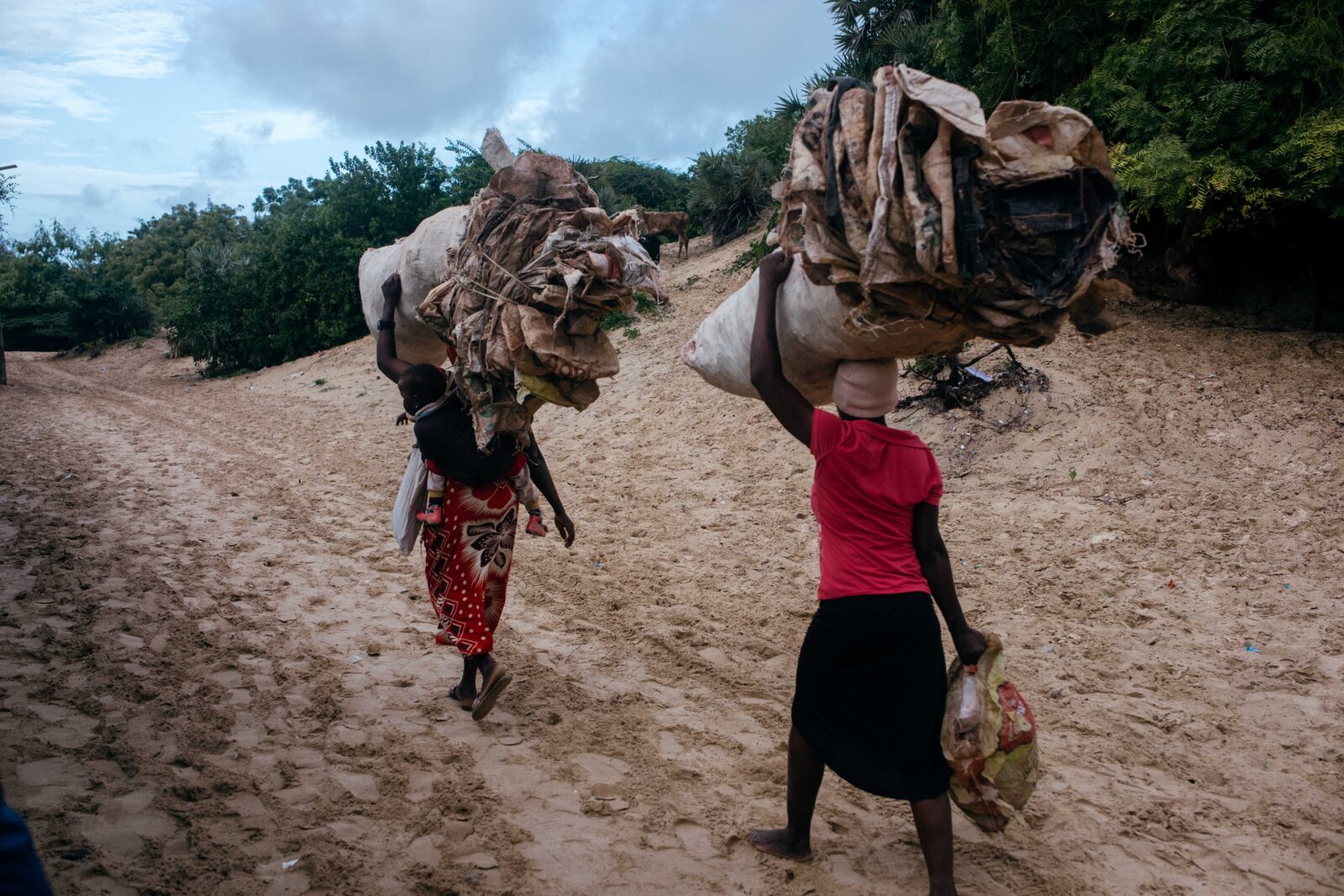
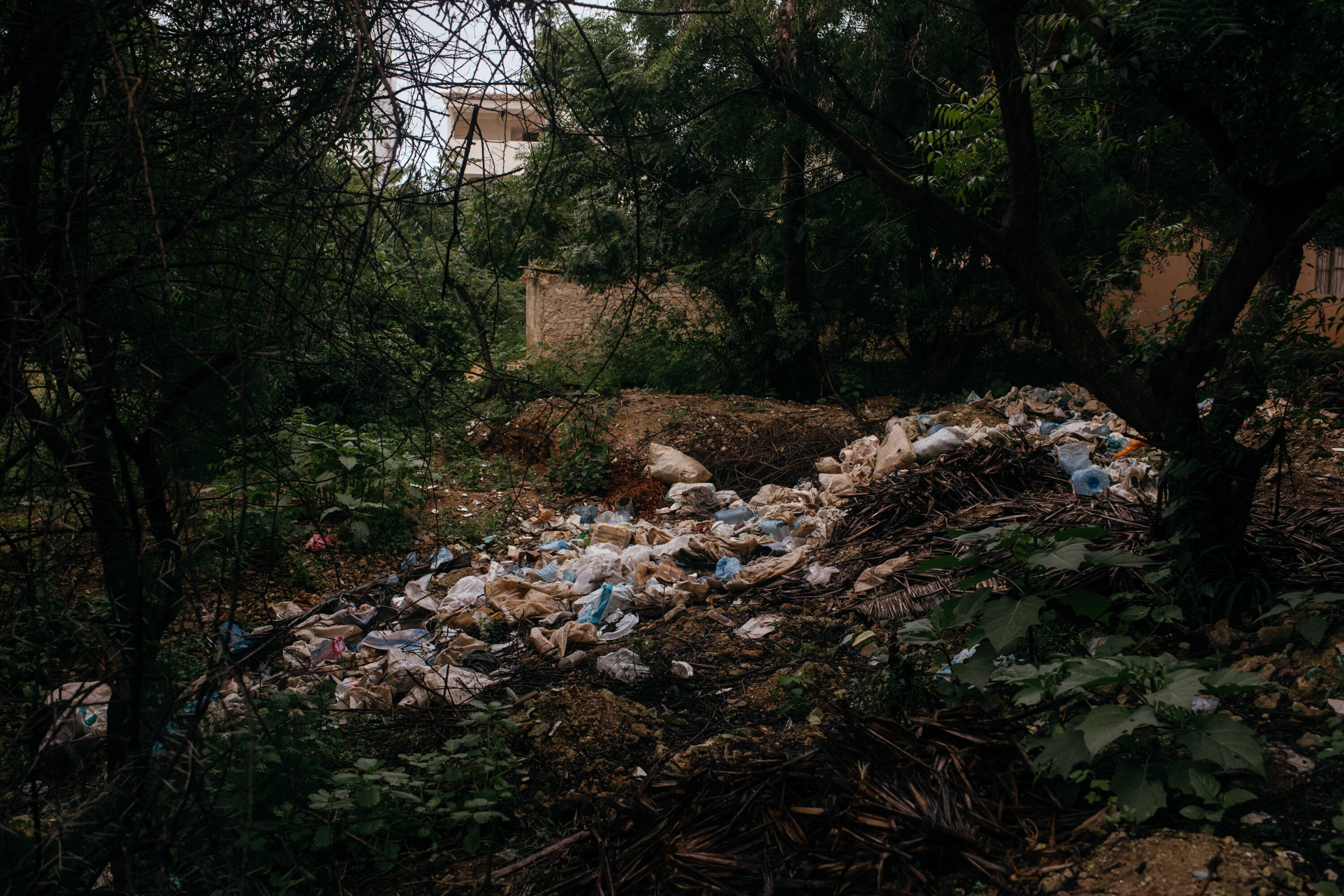
Still, progress is fragile. Residents bring glass and green waste for sorting, but long-ingrained habits are hard to shift. “It can feel like we are taking one step forward but two steps back,” he admits. Sometimes garbage bags appear at the shamba’s gate instead of the proper drop-off point. “There is progress, but sometimes I feel depressed,” he says. That same morning, someone had dumped a tractor-load of construction debris on a public footpath. Staring at the mess, Bakar shook his head. “People need to learn that this is not okay–that they shouldn’t treat the land like this.”
At the Roots
Some researchers have dubbed Lamu the cradle of Swahili civilization. Besides its intricate and amalgamated history––trading grounds for the Arabs, Chinese, and Portuguese since the 15th century––it mediated economic and social interactions between the African mainland and Indian Ocean world for nearly 500 years beginning in the 14th century.
To this day, elements of the island’s long, winding history are evident in both its habits and architecture: many of the homes on Shela feature traditional Swahili architecture, constructed from mangrove timber and coral stones, replete with inner courtyards and verandas, decorated with intricately carved wooden doors.
41-year-old Khautar Abdulaziz, a homemaker in Shela, believes that Lamu reflects Kenya’s broader waste problem. Its insularity as a small island exacerbates the far reaches of plastic pollution, which harms everything from fishing to the marine ecosystem altogether.
“In the past, older people managed solid waste by burying it, burning it, or reusing items like clay pots and baskets,” explains Abdulaziz. “In recent years, things have changed because of the increase in plastic and other non-bio degradable materials. Now, [the volume of] waste has grown, and managing it has become much harder.”
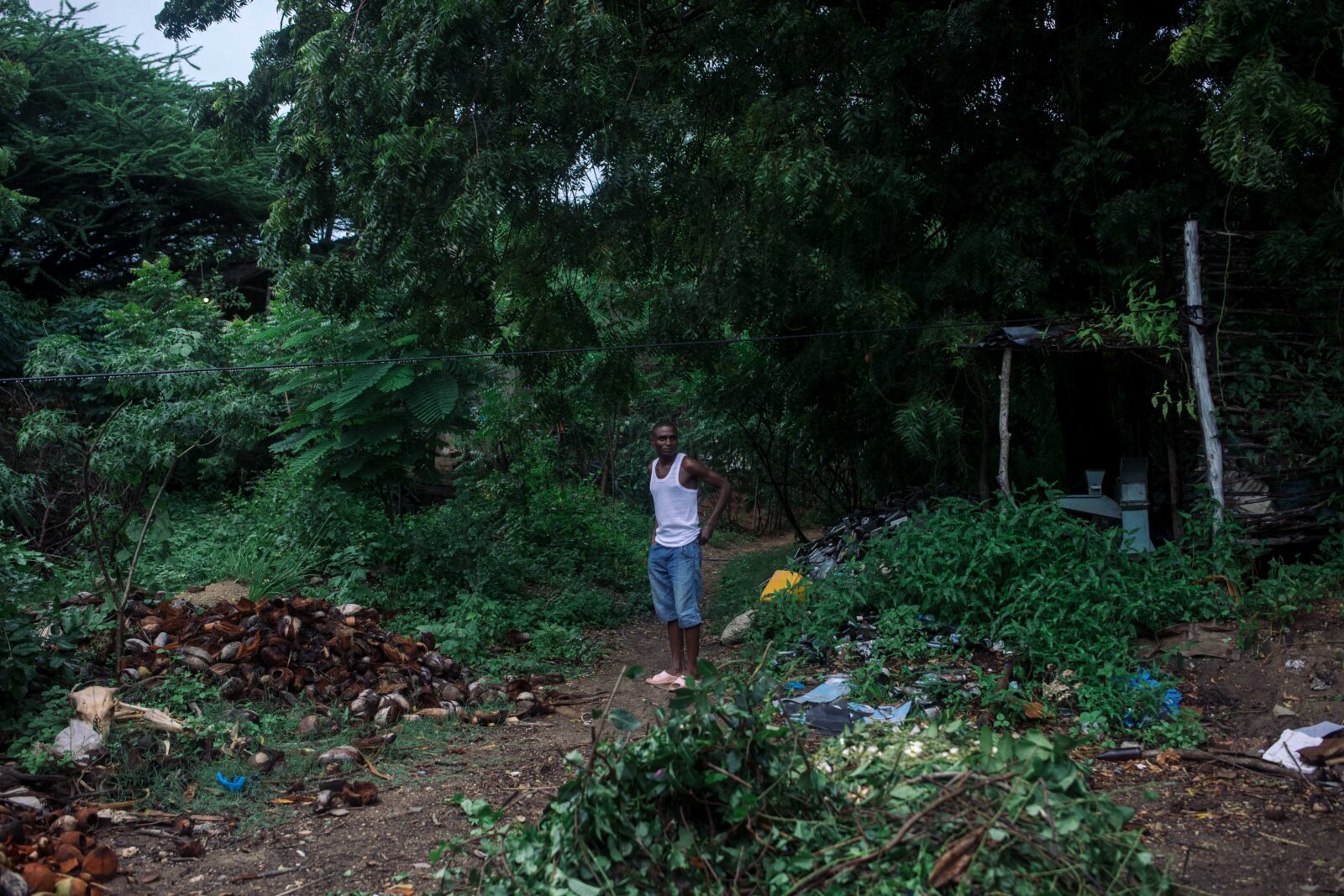
Bakar hopes that through his work with the community, he can share a sense of self-resilience with other Lamu residents, such as growing their own food rather than importing everything at a marked-up cost from the Kenyan mainland. “I don’t want to be the only person who knows this,” Bakar emphasizes. “My goal is to spread this knowledge.”
Colonial Legacies, Plastic Economies
Abdulaziz sees a more rooted cause to Lamu’s current waste dilemma. “I believe the source of the waste problem is mainly the increase in plastic use, population growth, and poor waste disposal practices,” she says. Furthermore, increasing numbers of tourists, with the infrastructure and businesses to accommodate them are overloading inadequate waste management systems.
To Waikibia, the plastic pollution campaigner, a root cause is misplaced priorities–the national focus is on building roads and large-scale foreign investments. “The government has failed to invest in modern infrastructure to recycling companies by cutting down on taxes, educating the public about littering, or the dangers that come with the toxic chemical fumes from burning waste.”
He refers to the plastic bag ban that was enacted in 2017: “Everyone was proud of it, there was a sense of moving in a positive direction.” While this proved that things can be done, plastic is everywhere, in everything––it all needs to be managed better.”
In villages such as Shela, high poverty levels mean that residents buy food and household items in small quantities packaged in plastic sachets. And when it comes to waste disposal, it’s out of sight, out of mind.
“In Lamu, they are not even dumpsites––just open places where people throw their trash. When the rains come, or the wind blows, it goes everywhere––but that’s where we need intervention and sensitization––understanding that these are all actions that will come back to bite us,” Waikibia explains. “You see waste leaking into the environment because it’s not a priority.”