





Note from the editors: At a time when people, histories, places, and memories are being erased through warfare and military violence, public history brings tools to preserve both the past and the present against all forms of suppression. It allows groups and communities to document, transmit, and reclaim their histories in the face of destruction and silencing. This text was written in 2025.
***
Sometime in the 1960s, the famous zajjal (Lebanese folk poet) Zein Shu’ayb (1922 – 2005) from south Lebanon performed with his troupe Zaghloul al-Damour, a poetic duel that was filmed and broadcast on Lebanese television.
The recording survived and decades later, like many of Zein’s performances, it resurfaced on YouTube and was remixed on hip-hop and rap beats, circulating again in new videos. Listening to it today, the rhythm feels familiar to us, almost like a rap song, with its fast delivery, verbal challenge and repeated lines. Yet Zein Shu’ayb’s words echo a much older poetic tradition, which was performed in village gatherings before large mass audiences.
In these various remixes, vernacular poetry that existed for centuries circulate easily on digital media, showing how public storytelling changes form without disappearing. Before hashtags and social media, history in the Arab world was already performed, debated and shared in public through voices like these.
History does not live in archives or behind campus walls. It is a public good — accessible, open and shared. It is an active and living force involving personal and communal practices that extend beyond researchers and university professors. This is the essence of “public history,” which brings the past into our streets and digital spaces.
Today, the accessibility and circulation of information define our age. It lives in coffee shops and museums, on theatre stages and YouTube channels, in family albums and neighbourhood archives. A growing popular interest in the past has given rise to thousands of podcasts and social media channels each year. As digital technologies make it easier to share interpretations of history, it becomes increasingly important to reflect on how historical knowledge is produced and communicated to wider audiences.
In the Arabic speaking world, these practices long predate the term “public history.” Moving between contemporary examples and older traditions, from the Hakawati to Zajal and Qawl, communities have transmitted memory, identity and political commentary through public performance for centuries. What is today described as “public history” is, in many ways, a continuation of these older traditions — now unfolding in digital and institutional spaces as well revealing how deeply rooted these practices are in the region.
Making History (More) Public
The term “public history” emerged in the United States in the 1970s, when Robert (Bob) Kelley, a historian at the University of California at Santa Barbara, used it to describe a new training programme aimed at expanding career opportunities beyond formal education. Over time, the term came to refer more broadly to historical activities conducted outside universities, including curated exhibitions, walking tours and other forms of engagement.
Although initially connected to Western networks in the US, Canada, Australia and Europe, public history has become increasingly international and diverse. The popularisation of the term in the Western world does not mean that the practice originated there. Communities across the Global South have long engaged in forms of public history. More recently, these practices have been formalised through national associations such as the Rede Brasileira de História Pública (2012), the Italian Association for Public History (2017) and the Japanese Association of Public History (2018).
Defining public history is not straightforward. It can take different meanings in different contexts. At its core, however, it seeks to make historical narratives and heritage more accessible while encouraging communities to participate in shaping them through family archives, local initiatives and collective practices.
History in the Public Space
Initially understood as history produced outside academia, public history often takes place in cultural institutions such as libraries and museums. When these institutions focus on historical topics, their outreach and engagement activities become forms of public history.
History museums have long been part of the cultural fabric of the Arab world. The Egyptian Museum (founded in 1858) and the National Museum in Lebanon (founded in 1942) can be seen as early institutional examples of public history through their public programming.
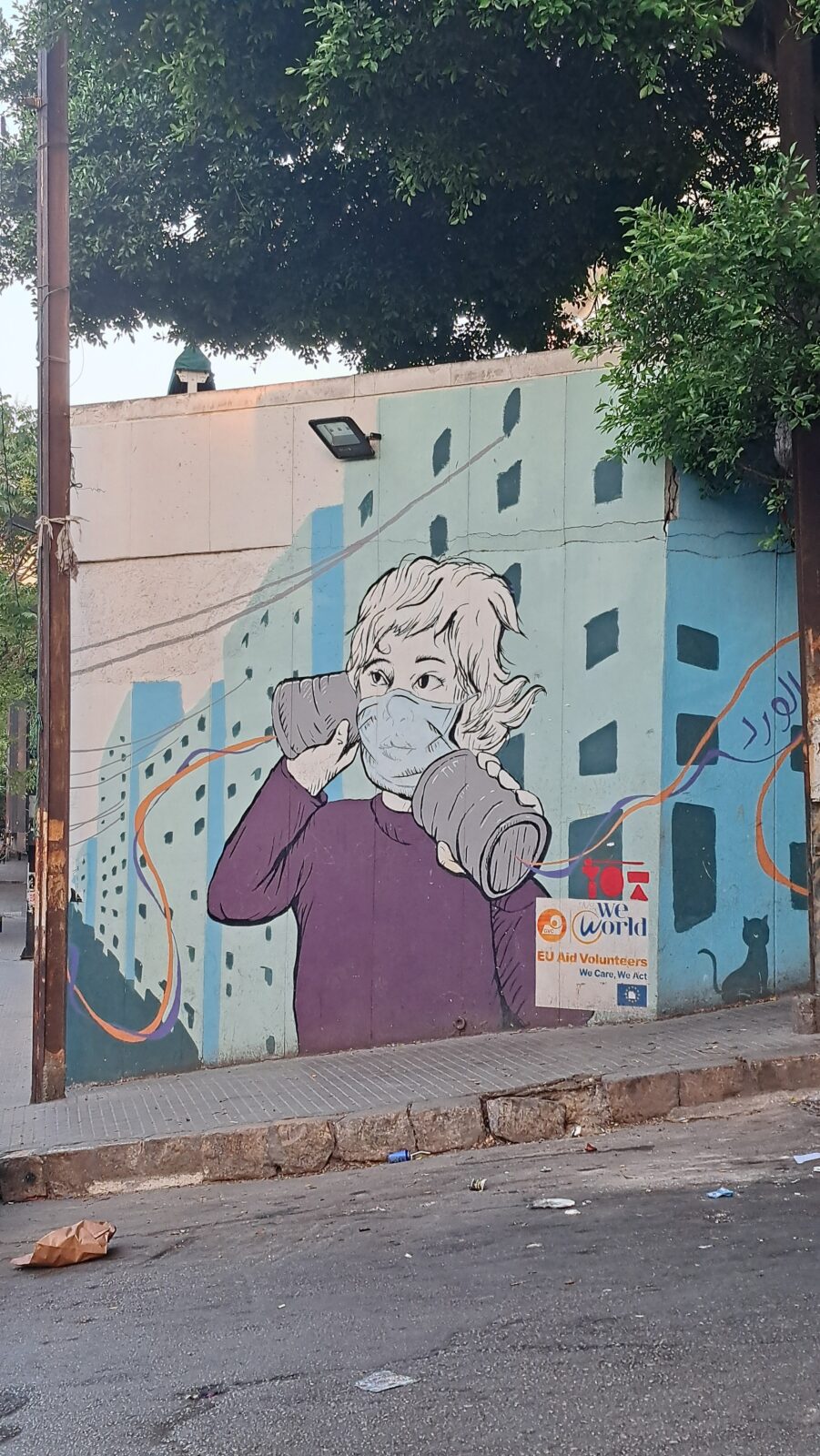
More recent initiatives are also accessible online, including the Women and Memory Forum in Egypt (since 1995) and the Palestinian Museum (since 2018). Public history can also be displayed and performed in theatres, on walls and in streets through guided tours and festivals. In its diverse forms, it creates spaces that connect society with material culture and heritage.
Communicating with the Public
Making history public means communicating it beyond specialist audiences, reaching those who may not engage with academic books or research.
Public history employs a wide range of media, including exhibitions, documentary films, guided tours, board games, comics, graphic novels, websites and newspapers. With the rise of digital technologies, it has expanded into social media, podcasts and online collections.
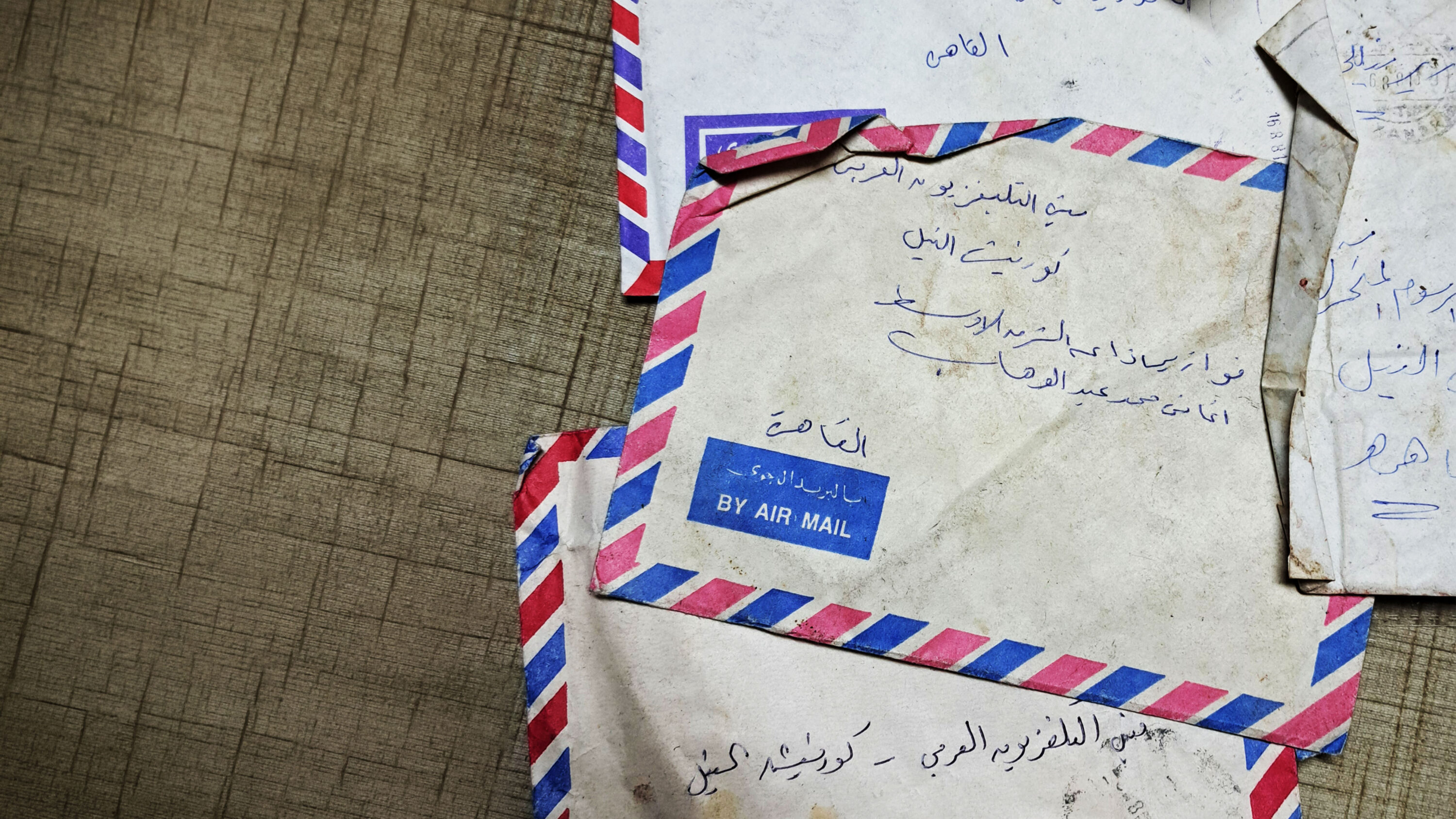
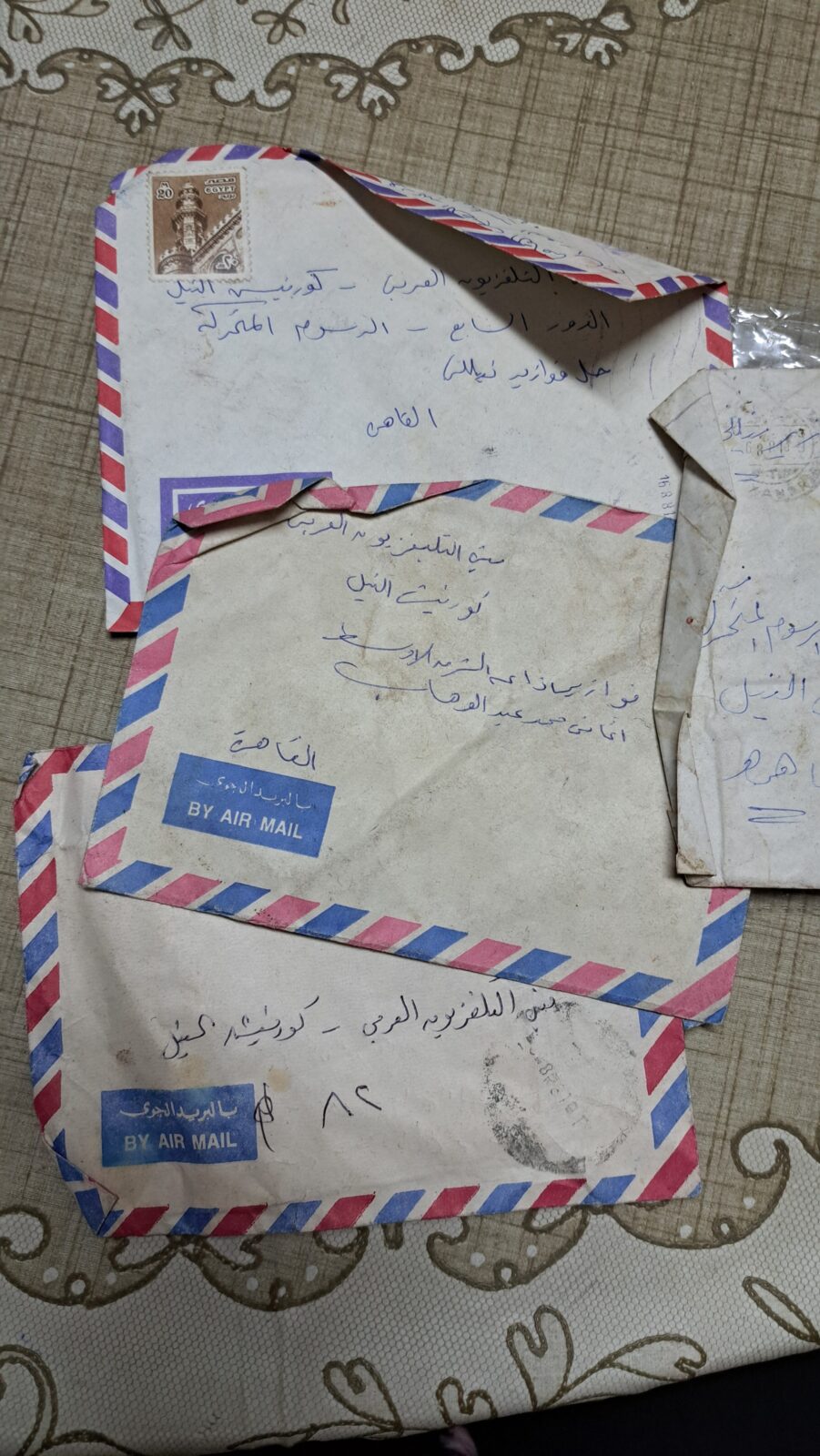
In the Arab world, examples include the Qatar National Library’s podcast series and the community archiving initiative Keys to Palestine. Individual initiatives also contribute to this landscape, such as Charles Al Hayek’s Heritage and Roots channel and his LBCI television programme “بقصة لبنان” (“Lebanon in a Story”), now in its fifth season with co-presenter Yazbek Wehbe.
YouTube channels and podcasts have become particularly prominent platforms. The Al Jazeera+ series Al Jahbaz features content creator Bisher Najjar re-enacting moments from the history of the Greater Syria region through performance and satire, with references listed in each video description.

As with cultural and media institutions more broadly, political agendas can influence which historical narratives are curated and how they are presented to the public.
Public Participation
Public history is by definition a collective process. Exhibitions, digital platforms and archives require time, skills and collaboration among curators, designers, educators and media professionals.
Some initiatives extend participation further through “co-creation,” involving members of the public in collecting and preserving objects, photographs and oral testimonies. Citizen committees may design and lead projects about their neighbourhoods or specific events.
In this way, public history can help restore agency and power to people. Rather than relying solely on national discourses constructed by states and authorities — which often marginalise certain communities — it may begin with smaller stories that complicate larger narratives.
One recent initiative in the Arab world is Shubra’s archive, developed in Cairo’s Shubra neighbourhood to document and share local history with its residents.
Many participatory initiatives rely on oral history. The American University of Beirut’s Ras Beirut project documents the history of a neighbourhood through residents’ voices. Other initiatives have recorded the social history of Palestine, including the Al Rowat storytelling platform, Nakba through oral history, and accounts of leading female figures, persecuted queer figures and political exiles. Some participatory projects operate “under the radar” to avoid external scrutiny or surveillance.
Oral history is often seen as a means of empowering marginalised and under-represented communities to influence and enrich official narratives. It also fosters critical engagement with contemporary social and political issues rooted in the past. The early Arab Nationalist Movement used the term tathqif to describe engagement with the public that combined education with political awareness.
An Ancient Practice
Public history practices in Lebanon and the Levant can be traced back centuries, including mediaeval traditions and earlier Jahiliyya poetry that recorded and performed history within communities and at larger gatherings.
Three examples are particularly illustrative: the Hakawati, al-Zajal and al-Qawl.
The Hakawati is a storyteller who recounts tales from Arab heritage in coffee shops or open-air settings using vernacular Arabic. While traditionally male, women such as Shalabieh al Hakawatieh (Sally Shalabi) now also practise this art.
Similar traditions exist across the Arab world under different names, including Nabaṭī poetry in the Arabian Peninsula, Humayni poetry in Yemen, Malhūn in Morocco and Dubeit in Sudan. These traditions share features such as vernacular language, collective participation, historical transmission and public performance.
Al-Zajal, a Lebanese vernacular poetry tradition inscribed on UNESCO Intangible Cultural Heritage List, is another example. One early documented case is attributed to Sulayman al-Ashluhi, a Christian monk from Akkar, who composed verses after the fall of Tripoli in 1289, recording the capture of the County of Tripoli (1102-1289), one of the Crusader states, by the Mamluks. In doing so, it recorded historical events in a form accessible to local audiences.
While al-Zajal refers specifically to the Lebanese folk poetry tradition, al-Qawl encompasses spoken word practices more broadly across the Arab world. Both traditions share several defining principles.
First is the use of vernacular language. Qawl is rarely written in classical, standardised Arabic, as its aim is to reach broad audiences, particularly in rural areas. It expresses local traditions and dialects, in contrast to the formal literacy often associated with urban centres. This gives Qawl a popular dimension and facilitates the transmission of knowledge in forms that resonate culturally and socially.
Second is the use of rhythmic stanzas and rhyme. All documented examples of Qawl employ this technique. As a means of publicly delivering knowledge, Qawl adopts strategies attentive to emotion and collective experience. Its musicality enhances memorability and echoes earlier literary traditions such as the Iliad, the Odyssey, Homeric poetry and Ugaritic texts, where rhythm supported oral transmission.
Closely connected to this is the central role of historical knowledge. History is a defining component of Qawl. Even when idealised, evocations of the past express identity, pride, community cohesion and socio-political satire. By embedding history in vernacular poetry, communities create local methods of transmitting memory from one generation to the next through public performance. Qawl has been used to record events, mark turbulent periods and commemorate political celebrations.
Finally, Qawl is defined by its public manifestation. Individuals or collectives perform as a troupe before large audiences, often in the form of poetic challenges accompanied by musical instruments. The practice promotes dialogue and acknowledges differences. Its verses may evoke tolerance and shared identity, but can also recount coercion and violence. Spontaneous, informal and emotionally charged, Qawl enables historical knowledge to be experienced collectively and retained across generations.
Through these vernacular traditions, history remains a shared and embodied practice — performed, contested and transmitted in public long before it was named as such.
Public History in Arabic
Translating “public history” into Arabic is not straightforward. The term may be rendered as Tarikh Aam, but alternatives such as Mahali (local), Ahli (people’s) or Mujtama’i (community) capture different nuances.
The English expression combines both making history accessible and engaging in history with the public. Arabic allows more subtle distinctions between these dimensions. The verb تأريخ (to historicise) differs from the noun تاريخ (history) only by the addition of a hamza, reflecting the tension between history as inheritance and history as an active process.
If one wants to play with the Arabic language when translating the expression “public history” to reflect both its active and passive dimensions, one can simply add parentheses to the hamza, to show the possibility of both active historicization and the sharing of history in one word:
تا)ء(ريخ
As for the term “public” in Arabic, in the linguistic heritage of colloquial Levantine and broader Arabic-speaking lands, the term Ya ‘Ammi (literally “Oh kinsman”) is used to denote a sense of community. This also has common roots with the West Semitic “M” or “Am” (Canaanite, Hebrew, Phoenician), which denotes the idea of a group or people. As such, this mirrors some meanings associated with the term “public” in English.
For other Arabic-speaking practitioners, the terms Ahli/Mahali (people’s/local) or Mujtama’i (community) feel more grounded in people’s everyday lives, in contrast with Āmm, which can also mean “general” and is not as commonly used in the Egyptian dialect and context, for instance. Ultimately, whether one opts for the more formal translation Tarikh Aam or decides to be more playful with the Arabic language, this article hopes to inspire more public conversations and discussions across Arabic-speaking communities.
Why Public History?
Many practices in the Arab world correspond to what is now termed “public history,” some dating back centuries. Using the term can help support and empower those engaged in these practices.
Public history reconnects scholars, archivists, curators, designers, podcasters, tour guides, heritage specialists and community groups who may otherwise remain separated by geography, discipline or institution. Rather than distinguishing between academic and non-academic, professional and amateur, it encourages collaboration to produce richer and more inclusive histories.
Finally, instead of distinguishing between academic and non-academic, professional and amateur, public history encourages universities, scholars and researchers to connect with local groups, communities and practitioners to produce a richer and more inclusive history.
It reminds us that history is not confined to the archive. It is shaped, performed and shared in public.