




This article is part of the dossier “What is to be Done?“, edited by Himmat Zoubi and Diana Abbani. The dossier, explores the role of academic, artistic, activist, and media practices amid ongoing genocide and the possibilities for action, solidarity, and resistance in Germany and beyond.
***
In November 2023, I was—among several other demonstrators—arrested by the Berlin police at an anti-colonial protest in front of the Federal Foreign Office for carrying the flag of Palestine.
One officer stated, “Palestine has nothing to do with colonialism,” while another added, “It’s forbidden to show the Swastika too,” equating the flag of an oppressed people with a Nazi symbol.
The consequence of my arrest was a fine; nothing in comparison to what M., a Syrian refugee arrested for the same charge, had to fear. For him the act of resistance could cost him his asylum status and even lead to deportation from Germany.
As a Swiss-German citizen straddling a colonial family history in Palestine and a Nazi heritage, I was stunned by the blatant lies of the policemen. To say that Palestine has nothing to do with colonialism contradicts my own family history, and to equate the flag of Palestine with the Swastika portrays the victims of settler-colonialism as Nazi sympathizers.
This is a false narrative perpetuated by German media who claimed that “Free Palestine is the new Heil Hitler.” This gaslighting and victim-perpetrator reversal serves a purpose: to deflect from Germany’s responsibility for both the Holocaust and its complicity in the genocide in Gaza. This historical revisionism also erases Christian evangelical support for the Zionist project, which claims to speak for all Jews, while its lobby targets anti-Zionist Jews and others who oppose the colonization of Palestine.
While Germany presents its Staatsräson (reason of state)—unconditional support for Israel—as a moral duty resulting from the Holocaust, German arms manufacturers like Rheinmetall and ThyssenKrupp increased their profits through their sales to Israel dramatically. Global investors, hedge funds and pension funds hold significant stakes in these companies.
Germany is Israel’s second-largest supplier of weapons, following the U.S.; the taxes it collects from the booming arms industries surely don’t follow any ethics but a capitalistic logic.
German Staatsräson: Not a Moral Question
In summer 2025 the German Secret Service Report labeled the internationally successful and growing BDS-movement an extremist force, in the same breath as Palestine Speaks and Jewish Voice for Just Peace—two political groups engaged in anti-Zionist grassroot activism. By comparing the boycott of Israeli products with the Nazi boycott of Jews in the Second World War, the German parliament projects its guilt onto Palestinians.
Currently, two legally non-binding resolutions operate here to silence dissent from people who stand for Palestinians’ rights. The anti-BDS resolution aims to criminalise the call for boycott, sanctions, and divestment of companies and institutions that are complicit. It targets Palestine solidarity and cancels decolonial voices.
The second tool is the IHRA resolution that weaponizes antisemitism to conflate anti-zionism and critique of the Israeli state with Jew-hatred. Both frameworks breach several articles of Germany’s constitution such as the freedom of expression, arts, information, science, and assembly, negating basic democratic equality before the law.
The effect of both these resolutions on the official discourse in Germany is striking, as many curators, art spaces, and universities are implementing them.
Following such doctrines is more often a result of ignorance or the fear to be excluded from one’s peers, than an actual conviction. In all of the cancellations that I have experienced in the past two years as an artist, the reason was always the same: fear of backlash. Not one institution actually believed that I was wrong with my critical views. But they are inconvenient for the capital.
Evangelical Dogma: An Ideology of Belonging and Exclusion
The hypocritical attitude and moral superiority of German politicians reminds me of evangelicals who pretend to uphold ethical, universal values and speak of God’s “unconditional love for everyone” while excluding queer people and non-Christians. Only those who devote their life to Jesus are able to access that love; queer people must undergo conversion therapy or exorcism to prove their faith in a system that negates their sexuality or gender. These methods often lead queer teens to self-harm or suicide.
According to evangelicals’ belief, other cultures with their own spiritual traditions cannot access God’s “unconditional love”, reserved for born-again Christians alone. For centuries, European missionaries spread their racist and anti-LGBTQ+ ideas to other continents, laying the ideological ground for domination, so that imperialists could extract resources from land and indigenous people, and funnel the profits back to Europe.
The connection between missionary work and colonialism is not mentioned in their Bible courses, of course, but it lives on until today.
I grew up in the 1990s in Switzerland in an evangelical congregation where my family history was kept from me. My father, grandfather, and great-grandfather were missionaries in historical Palestine. At the dinner table, I overheard conversations about Israel, terrorism, and Jesus.
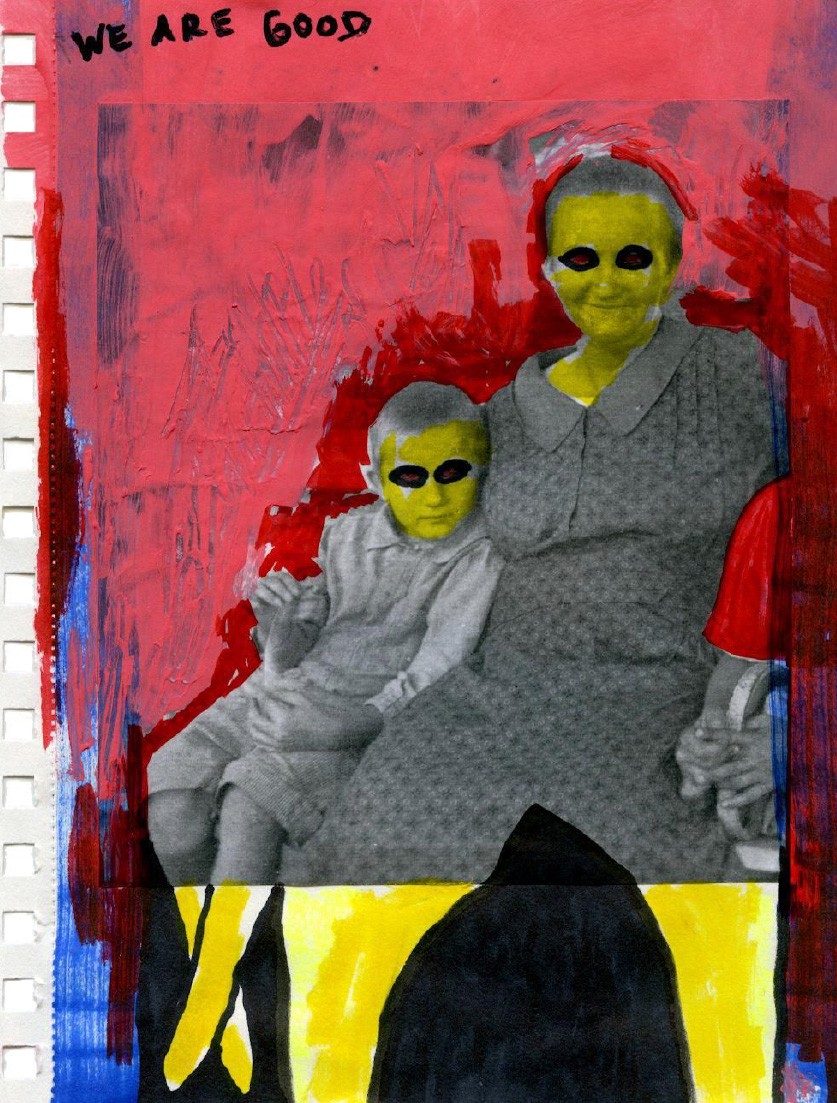
The message was always the same: “We are the good ones. We love Jews, but they need to be converted to Christianity. Muslims are barbaric. There will never be peace in this world—especially in the ‘Middle East’—unless the entirety of humanity accepts Jesus Christ as its saviour.”
This rigid doctrine that divides the world in “us” and “them” was celebrated in rituals, prayers, songs, and festivities. But also it was built on the fear of ending up in hell, using guilt and shame as controlling tools. You are born as a sinner; everything unfolds from there. Passing on the gospel to save the world from evil is one of the major principles I was taught to uphold. Spiritual out-of-body experiences of collective practices like worship and prayer were used to substantiate hurtful interpretations of the Bible.
Evangelicals turn the teachings of Jesus—that are all about love—into a battlefield of spiritual warfare and abuse.
Growing Up in Silence, Secrets and Erasure
It was difficult to see through these dynamics, as the beauty of having faith and a strong sense of belonging was a real experience for me too. But whatever I wanted to critically discuss, in the end the answer always had to come back to reinforce the already existing dogma. It was impossible to question the system in its entirety.
Doubts were seen as sins, and even if I didn’t express them, God would always be watching and judging. The threat of public punishment such as humiliation and excommunication produced a detachment from my own intuition, self-censorship, and a climate of existential fear and confusion.
From age 14 to 17 I joined prayer ceremonies to get rid of my queerness, even though I didn’t have any language for it. When I realized that my efforts to fit in would never succeed, I left the congregation and moved to Berlin. In my early 20s, I realized that the same as a queer vocabulary was missing in my upbringing, “Palestine” as a word, and as a reality, had been erased too.
I was shocked to learn about the Nakba, the displacement of Palestinians, and that the Israeli state was established on the ruins of their villages just in 1948—and not in Biblical times. While I started to question my gender identity, I started to look deeper into my family history too.
Colonial Legacies in Palestine: Dispossession of Land and Water
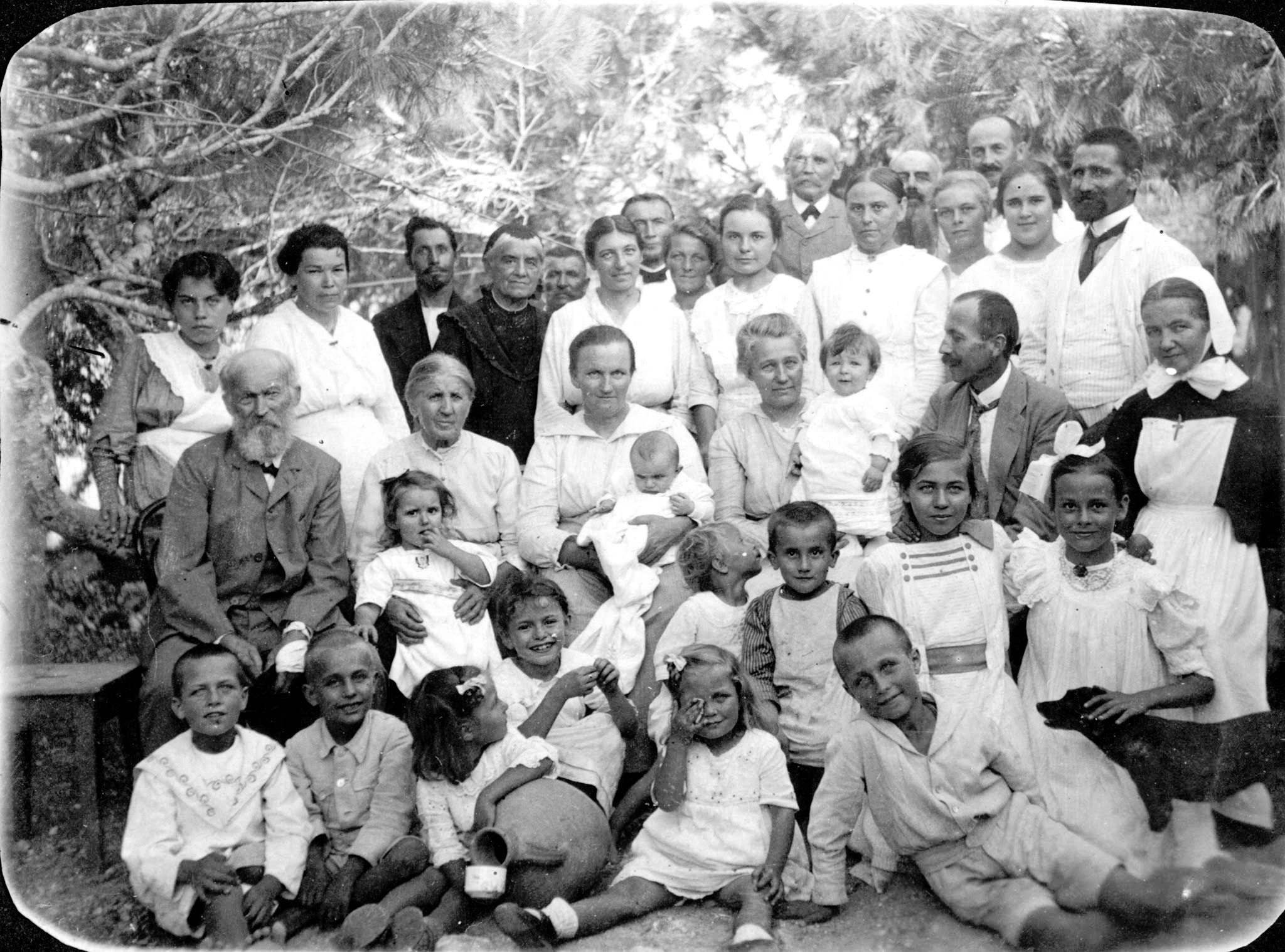
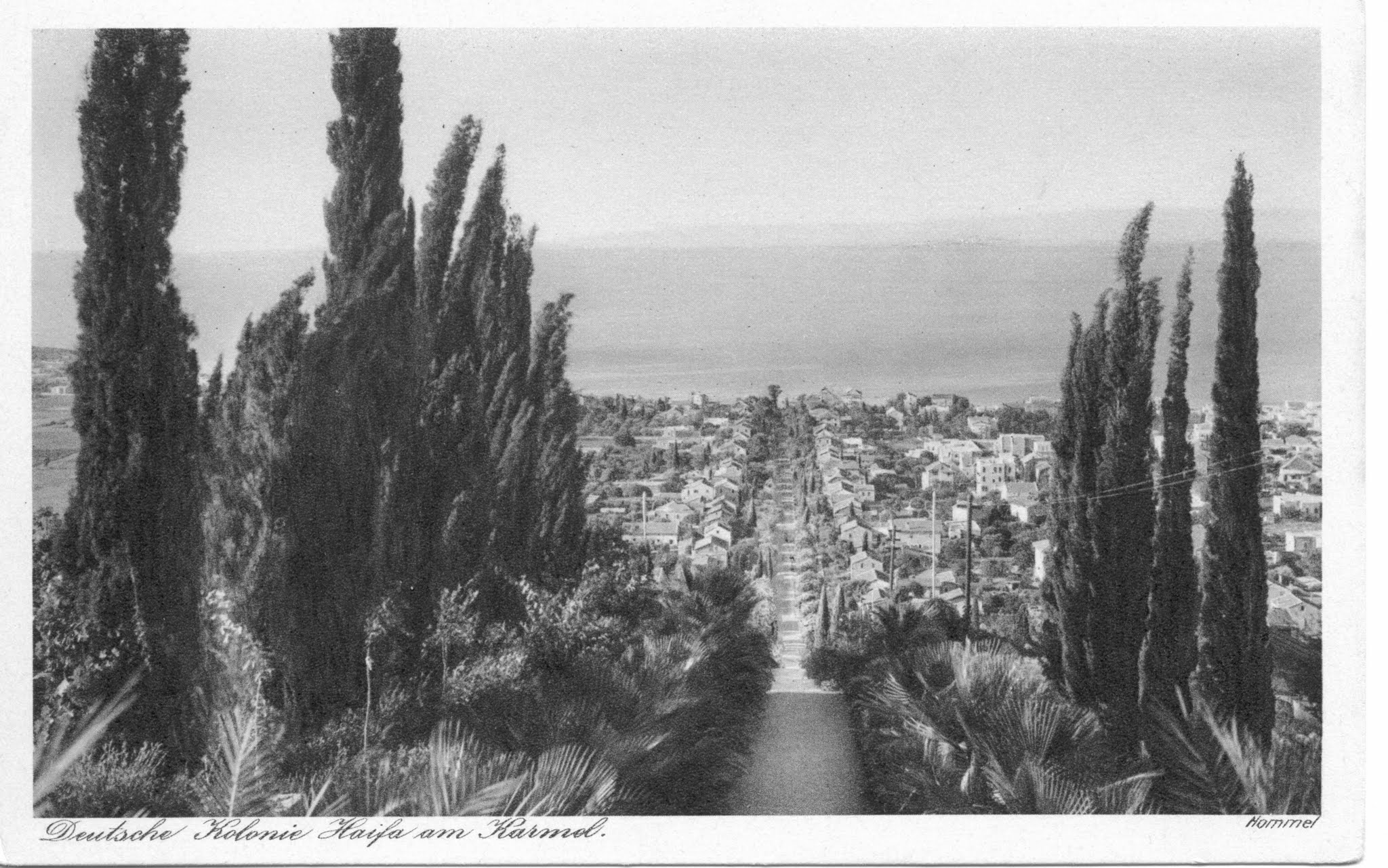
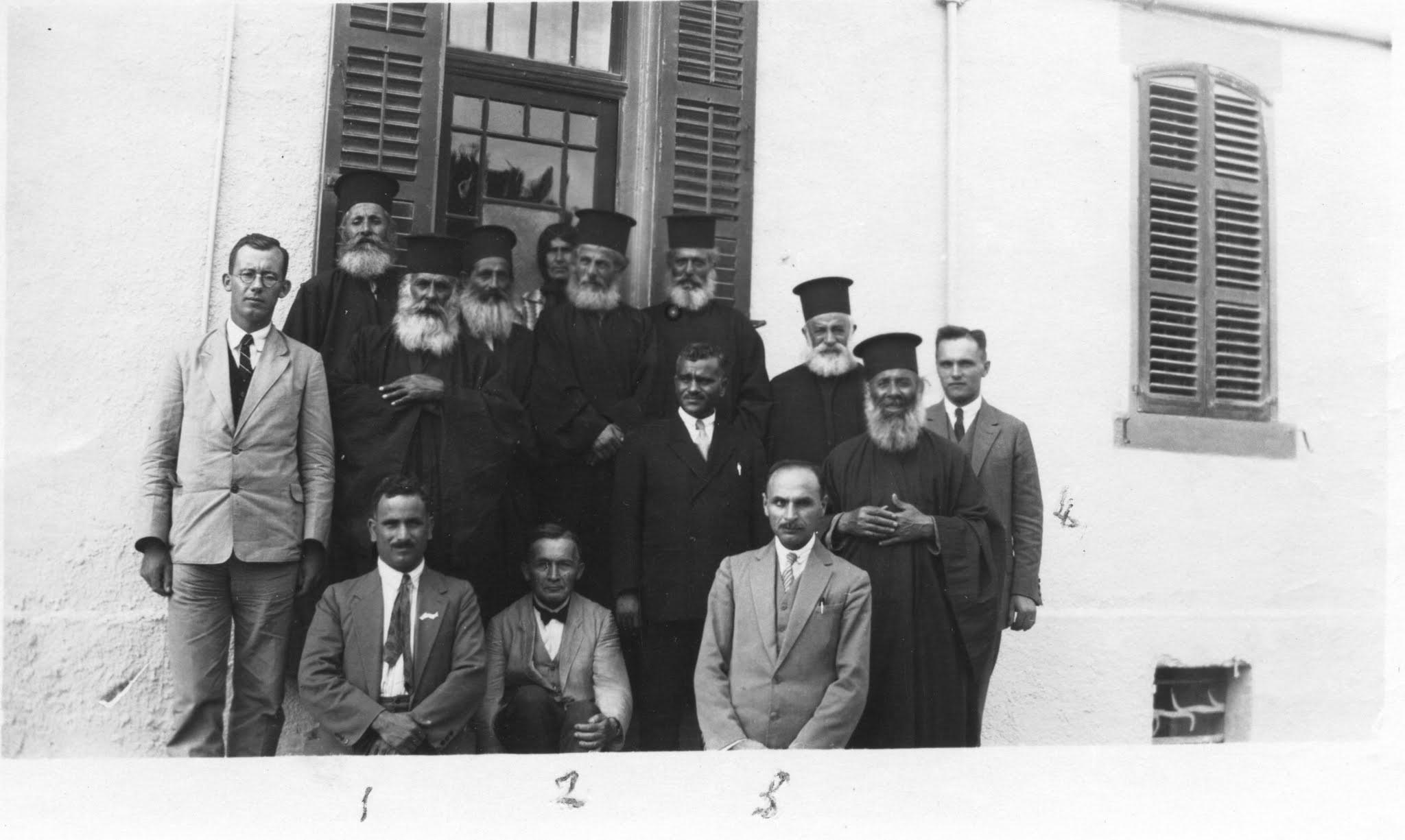
My great-great-grandparents arrived in 1870 in Haifa, Palestine, from Württemberg, South Germany. They were part of the German Templers, a European Christian movement that wanted to “prepare the land” for the Second Coming of Christ. Following a strict and literal interpretation of the Bible, they saw themselves as role models for the indigenous people of Palestine. Described as “Proto-Zionists” by Palestinian historian Mahmoud Yazbak, the German Templers played an essential role in the early colonization of Palestine.
Travel reports written by Christoph Hoffmann and Georg David Hardegg, the movement’s founders, following their first field trip in 1858 described Bedouin communities as a plague to be expelled from their land.
When the first German Templers arrived in 1868 in Palestine, they quickly settled near al-Yazaq well in Haifa, restricting access to the previously communal well in order to devalue surrounding agricultural land and push out local farmers.
The dispossession of land and water, as well as the segregation of the Germans from the local population was following a colonial model. After devaluing the land by cutting its access to water, the Germans bought more parcels for low prices from Palestinian Christian middlemen.
When the U.S. American colony in Jaffa was abandoned that same year, its original settlers struggling with diseases such as malaria and to acclimate to the local climate, German settlers purchased the few infrastructures that the U.S. Americans left behind, and expanded their colonies from Haifa to Jaffa.
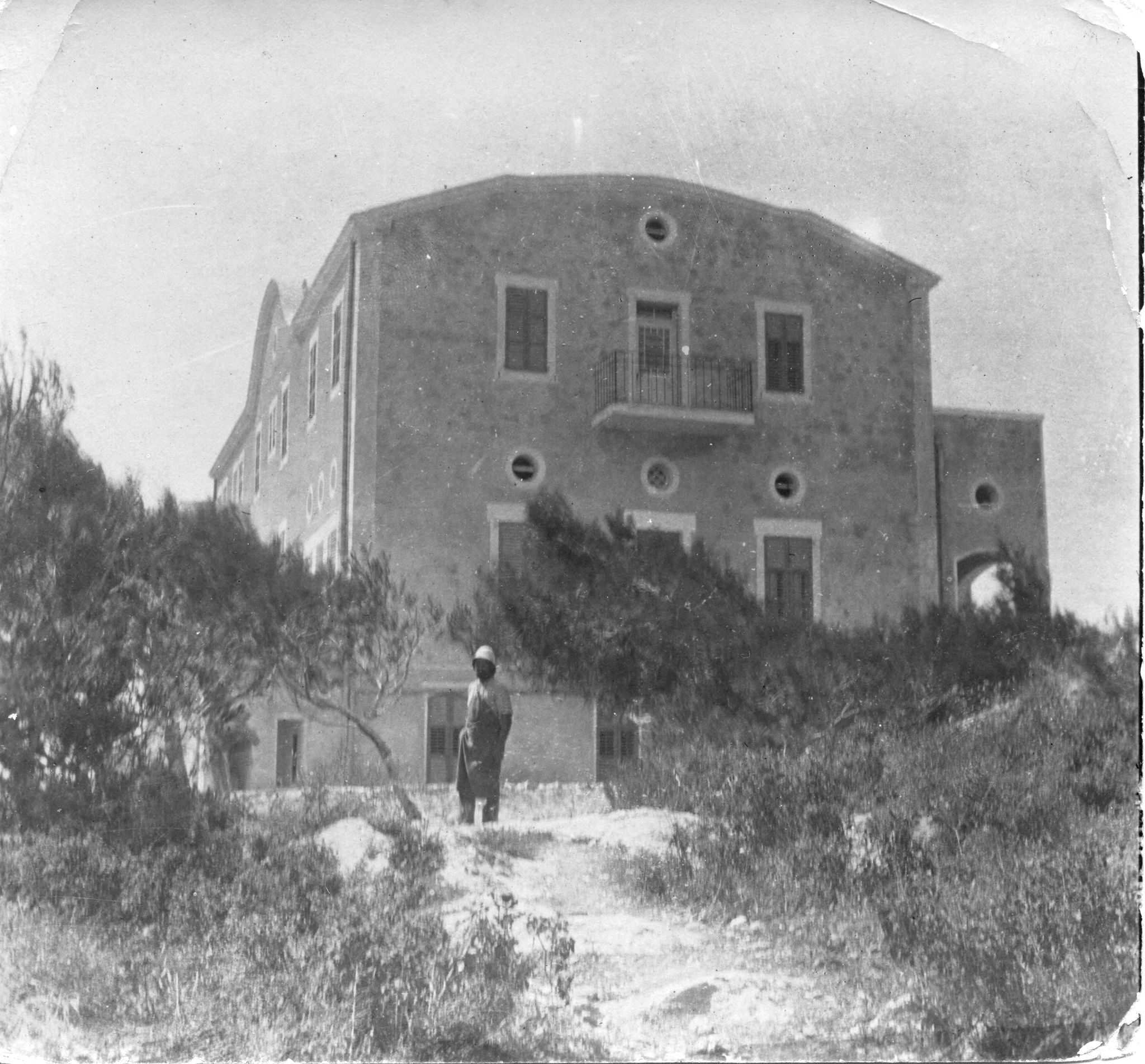
Evangelical influences from South Germany and Basel manifested through the establishment of the Carmel Mission House in 1904. While some second and third generation settlers became more secular and focused on the material improvement of the German colonies, others joined the Protestant-millenarian “civilizing mission” typical of that time.
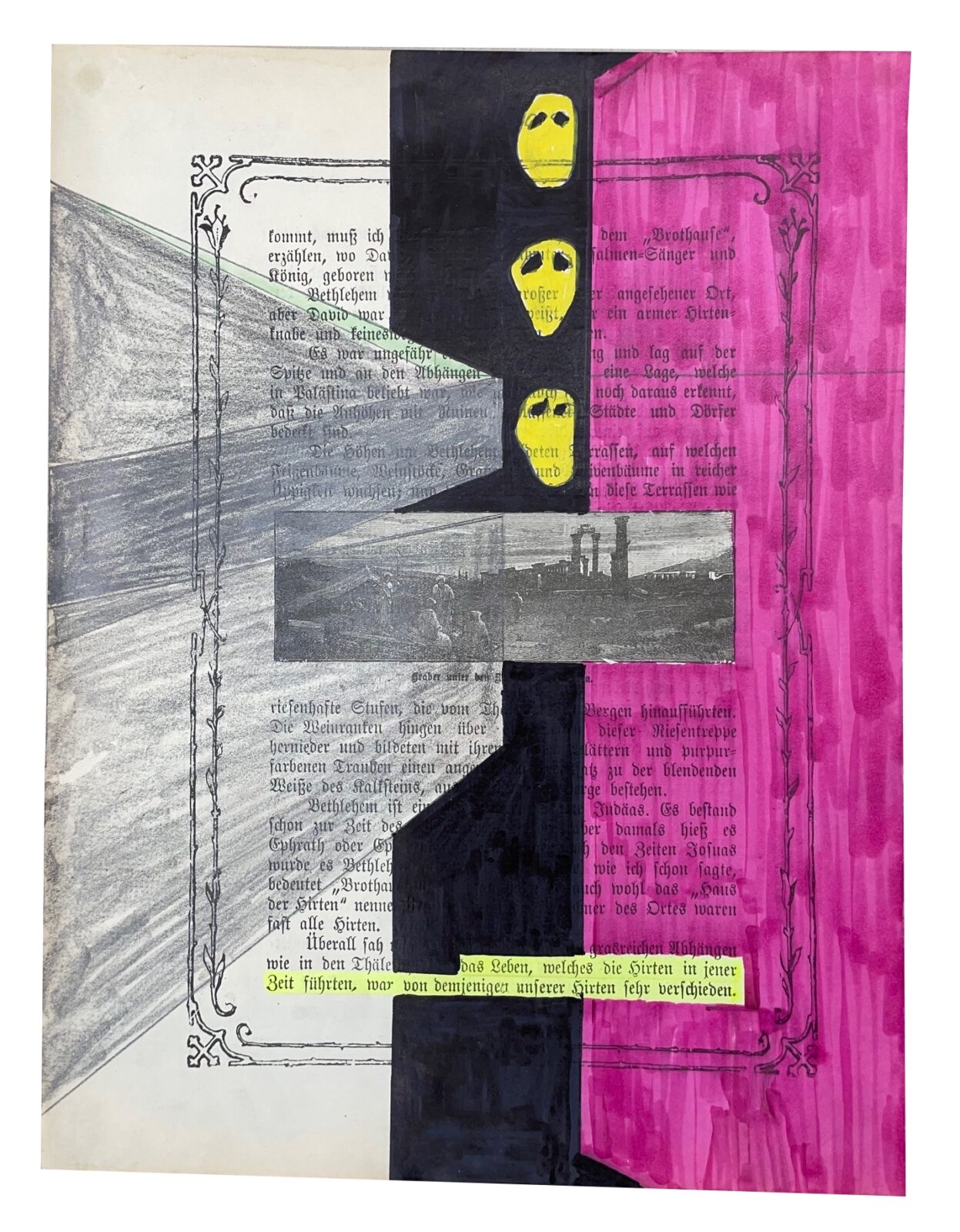
They focused on converting German-speaking Jews, many of whom were fleeing persecution in Europe and carrying Zionist aspirations to build a Jewish state in Palestine. Later, the Carmel Mission hired Arabic-speaking missionaries to also reach out to the majority of local Muslims, imposing their supremacist, and islamophobic ideas on them.
Antisemitism Reframed as Political Weapon
From the 19th century onward, many non-Jewish advocates for Jewish settlements in Palestine were based in the U.S. and Britain, and believed in Christian Restorationism; an ideology tightly connected to colonial desires around Palestine and the theological root of Christian Zionism.
It claimed that the end of times were near and that Palestine needed to be restored before the turn of the century, when they expected the Second Coming of Christ to occur. According to the Biblical prophecy, as many Jews as possible should be in the historical land of Palestine at the point of rapture.
I remember the many Hebrew songs we sang in my childhood, celebrating Pessah, a Jewish holiday, together with Messianic Jews—Jews who converted to Christian faith.
Evangelicals often display antisemitic elements in their beliefs, when instrumentalizing Jews for religious ends; same as on a political level the West uses Jews for its imperial expansion.
I recall how in sermons, a religious and moral superiority towards Judaism was emphasized, while Jewish cultural practices were fetishized. Christian Zionists are known for their “love” for Jews, which in reality is philosemitism, an inverted form of antisemitism. Evangelicals are mostly based in the U.S. but also across Europe, with growing numbers in Latin America—now vastly outnumber the entire Jewish people.
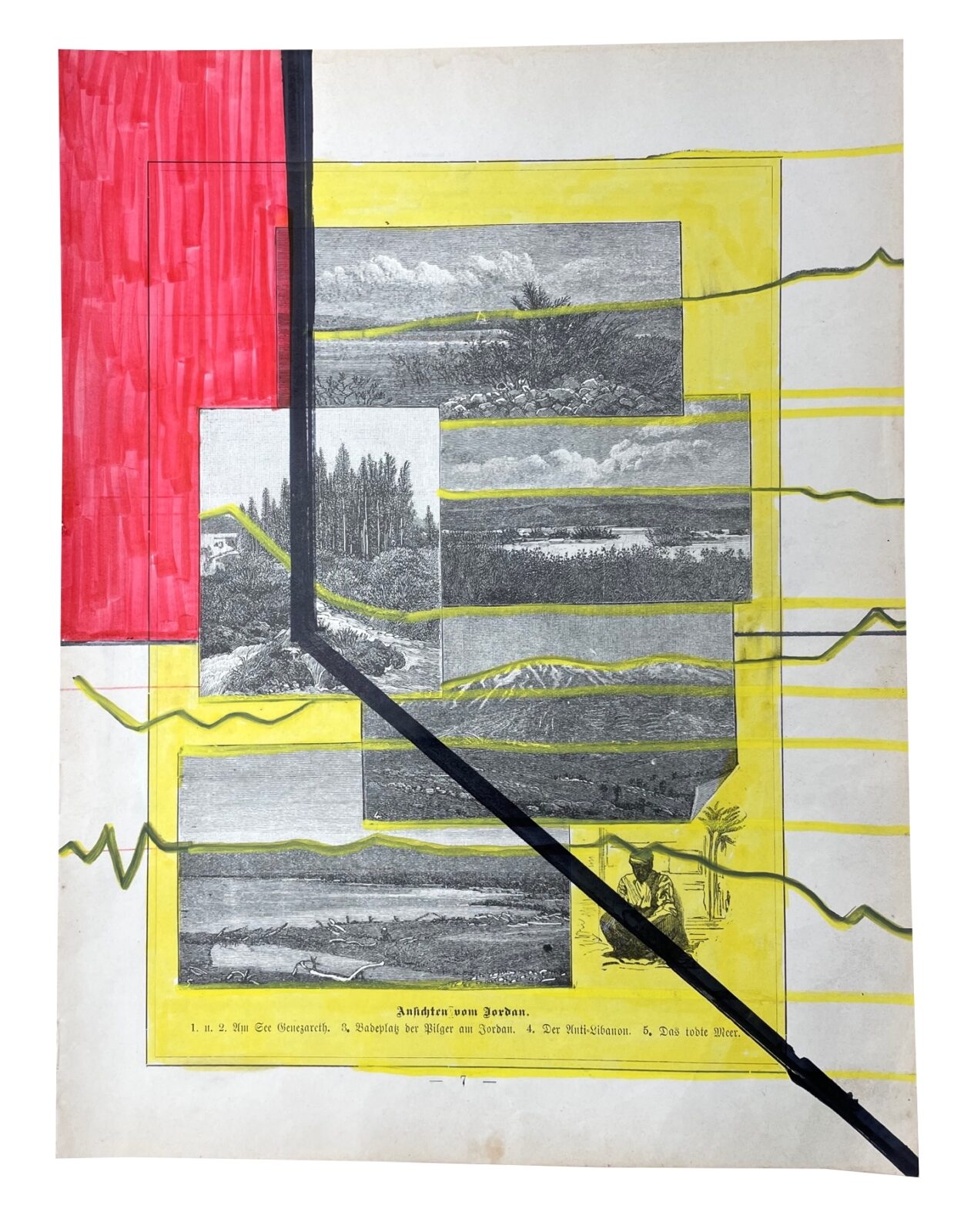
Germany’s support for Israel is deeply entangled with religiously rooted, colonial, and antisemitic fantasies, as well as contemporary geopolitical interests. It is certainly not motivated by genuine concern for the wellbeing of Jewish people. German media accused anti-zionist Jews multiple times of antisemitism, while simultaneously framing Palestinians as Nazis.
In this colonial gaze, Palestinians are erased. Language has been weaponized in abusive manners, accusing innocents, while German right-wing politicians express their antisemitic and islamophobic hatred openly and with impunity.
Christian Zionism in Support of Settler-Colonial Imperialism
The first Jewish Zionist leaders looked at the German Templers’ settlements as a blueprint to be emulated. In 1898, one year after the First Zionist World Congress in Basel, Theodor Herzl met German Emperor Wilhelm II in Jerusalem.
What many don’t know is that William Hechler, a Christian Zionist with roots in South Germany, played a critical role in advocating for the Zionist project and made this connection between Herzl and German leaders possible. Along with German Templer founders Hoffmann and Hardegg, Herzl sought Ottoman support for land acquisition and visited the German colonies to learn from their strategies.
As historian Rashid Khalidi argues, the situation in Palestine is not a conflict between two nations but as a settler-colonial project that started over a century ago backed by the U.S., Britain, and other Western powers. They supported the Zionist project to extend their markets, gain military footholds in the area, and control resources and trade routes.
We need your support to keep publishing content like this.
Keep UntoldMag alive with the price of a coffee
The alignment between Christian and Jewish Zionist groups with authoritarian or right-wing governments today reflects broader historical patterns shaped by colonial and imperial dynamics and overlapping interests. Religious narratives always serve to justify taking control over land and people.
German reparation does not account for non-Jewish victims of the Holocaust, such as Sinti and Roma people, or for the descendants of the Herero and Nama genocide of 1904. The entire concept of reparation functioned primarily to support Zionism and its project to build a Jewish ethnostate in Palestine—an ideology with Christian theological roots that keeps the colonial violence going and promises more arms trades and profits to the ruling class.
The dramaturgy and pathos of German politicians in which these reparations are portrayed as a moral reckoning with the past has an almost religious quality to it.
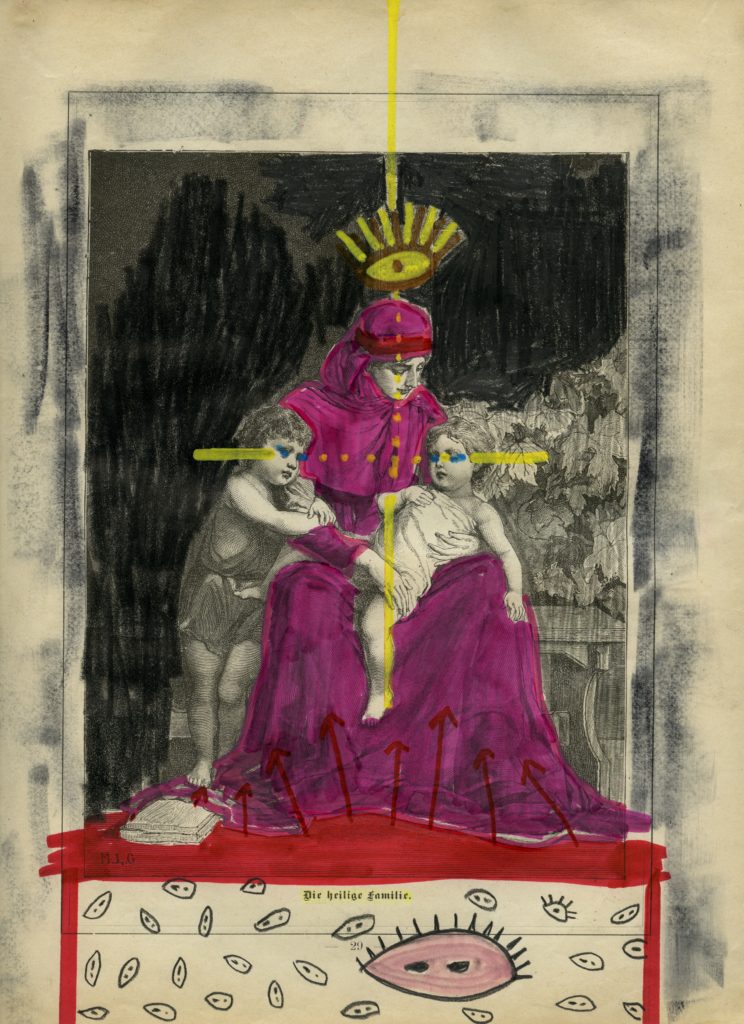
In the case of my grandfather, who grew up in the German colony in Palestine, joined the Nazis in the Second World War, and later became an evangelical missionary, the storyline becomes quite personal to me. But I can see how this is not so much a story about private coincidences but rather a structural outcome.
I’m only starting to reckon with my own story and family history, as I try to zoom out and see the bigger picture, raising urgent questions about the decolonization of Palestine. While pushing for accountability and the liberation from Zionism, larger structures of systemic violence become visible and raise awareness about Congo, Sudan, Haiti, and other oppressed people around the globe.
Religious Trauma and Pattern Recognition
As a person on the autism spectrum, my brain is constantly scanning for logic, therefore, cognitive dissonance is difficult for me to endure. I naturally take words very literally, but I have difficulties reading between the lines or recognizing negative intentions. As a result, I am very disturbed by injustice, such as discriminatory behaviours and the abuse of power.
Meeting Palestinians and anti-zionist Jewish activists made me question the narratives I grew up with on a political level. Their voices have been there for decades speaking out against Zionism and colonial violence in all its forms, including Christian Zionism. The understanding of imperialism and colonialism as superstructures that intersect with the evangelical ideology has helped me in making sense of my experiences, research and observations.
The reality that unfolded in Germany after October 2023, when I saw Berlin police arrest a 9-year-old Palestinian child, triggered not just disbelief but also clarity. The police violence I saw in Germany reminded me of the military Israeli occupation that I witnessed in the West Bank when I lived there from 2016 to 2017. These systems of oppression seem to be related.
Autism is self-referential and monotropic in the way that knowledge is built; collecting details, and recognizing patterns from a bottom-up rather than a top-down, birdsview perspective. By default, my way of thinking jumps between timelines and geographies in an associative way, looking into similarities and recurring patterns. However, my findings are comparisons; not equations.
Colonial Relationships between Germans and Palestinians
My grandfather, who was born 1915 in Haifa and grew up in the German colony, told me that all colonists were armed, since Palestinians were described as carrying out “raids.” In these stories, they were cast as dangerous outsiders, intruders in their own land. The second colony Waldheim was founded in 1907 on land that was originally called Umm al-Amad, not far from Haifa.
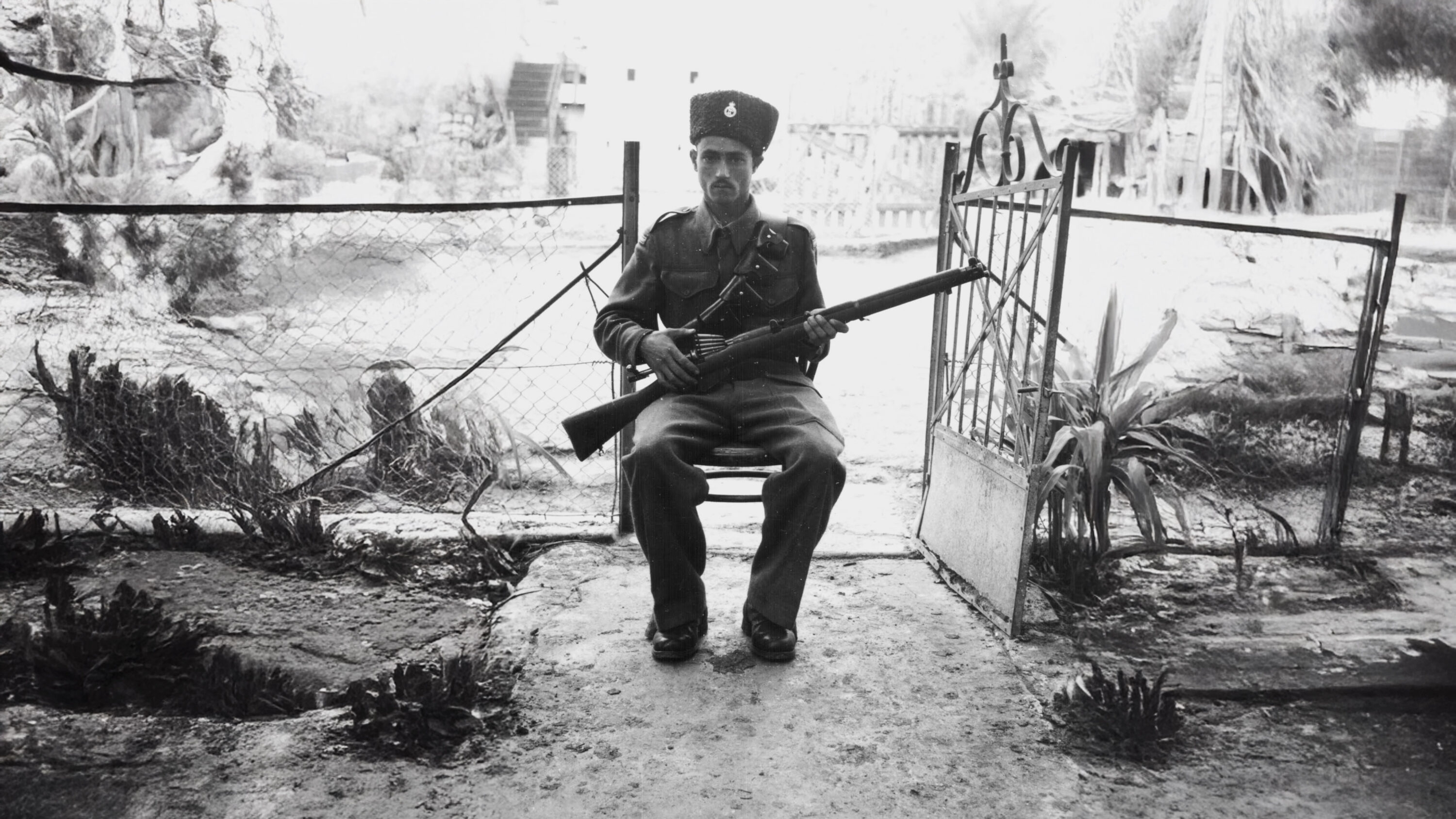
The Templers bought it “legally” through a Beirut businessman, but such transactions bypassed the local peasants who had long cultivated and depended on the land. Once the deed was signed, the Germans hired a Bedouine guard, armed him with a rifle and used him to scare those same peasants away.
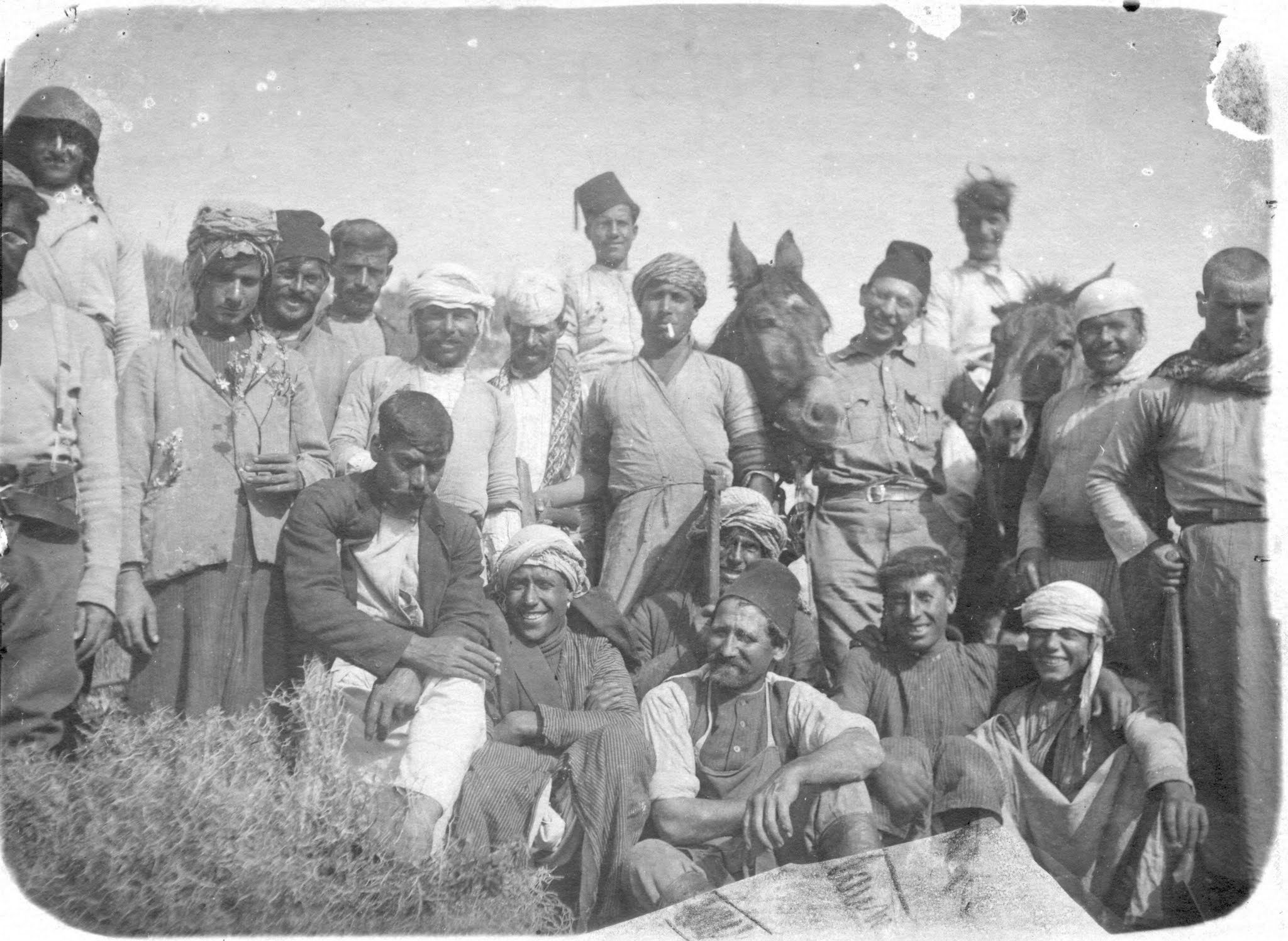
The family narratives that I grew up with reinforced this colonial perspective: Palestinians appeared not as neighbors, but as a threat or as cheap labor. This perspective erased the reality: families who had cultivated the land for generations were pushed out and replaced.
One of the leading German settlers put it bluntly: “I pay the Arab 5 piasters a day. And if I work as a European, I have to charge 50 piasters. So I prefer to hire 10 Arabs and have them do the work.” This relationship was fundamentally colonial and exploitative, though in my family’s memory it was often framed as well-meaning and collegial.
My grandmother remembered that my great-grandfather was paid the same wage as the Palestinian workers because he lacked a formal theological education. His poverty, however, did not erase the fact that he was still embedded in and benefiting from a colonial system that extracted Palestinian labor for its benefit.
“Every colonist had the right to build a flat for his Arab worker”, my grandfather recalled. “It was usually one big room. Some structures had no light, no water, and no bathroom. But they had an open air bathroom in the bushes.” The laughter that followed such recollections made it clear to me, even as a child, that Palestinians were not seen as full human beings.
My great-grandfather built a school to missionize the children of Palestinian workers; the church paid for an Arabic-speaking teacher to “educate” and “civilize” them.
Nazism in the German Colonies in Palestine
The NSDAP established its branches in the 1930s in the German colonies across Palestine, turning them into a cohort for Nazi ideology and antisemitism. Heidemarie Wawrzyn highlights that while on average about 5% of Germans abroad joined the NSDAP, whereas in Palestine over 30% of German colonists were participating in activities of the Nazi party. My grandfather said that almost everyone at that time believed in the Nazi ideology, far more than the estimated number.
In the 1930s, unrest between the local population and European Jewish settlers increased. Palestinian workers organized a strike and revolt that was brutally beaten down by the British occupation. German settlers maintained practical relations with both groups; they employed Palestinians as cheap workers, while the goods were sold to Jewish settlers.

With the outbreak of WWII the German nationals were interned and later deported by the British as war enemies, and sent to Australia or Germany. The British turned Sarona, the former German colony in Jaffa, into a military and police base. After the British withdrawal in December 1947, the Hagana seized the compound and used it as the headquarters of the newly established Israeli Defence Forces in the following year.
In stark contrast to the mass destruction of Palestinian sites during and after 1948, the houses of German Templers were put under cultural heritage protection and renovated through expensive investment by the Israeli government in the 1990s and 2000s, becoming tourist attractions and shopping malls.
Planting Pine Trees to hide the Ruins of the Nakba
After the Nakba, the ruins of Palestinian homes have been hidden through a large afforestation project by the Jewish National Fund. Planting millions of European pine trees transformed the landscape on an unprecedented scale, with no end in sight, while the indigenous olive trees are being uprooted to this day.
Going through the family archive I inherited, I come across photos, documents, letters, and maps that describe the environmental and urban developments of Haifa in great detail. As a gardener working for the German mission on Mt. Carmel, my great-grandfather planted European pine trees already during the British Mandate. Like other colonists, he took part in bringing tools and techniques from Europe and implementing the so-called “modernization” on the land with the cheap labor of Palestinians.
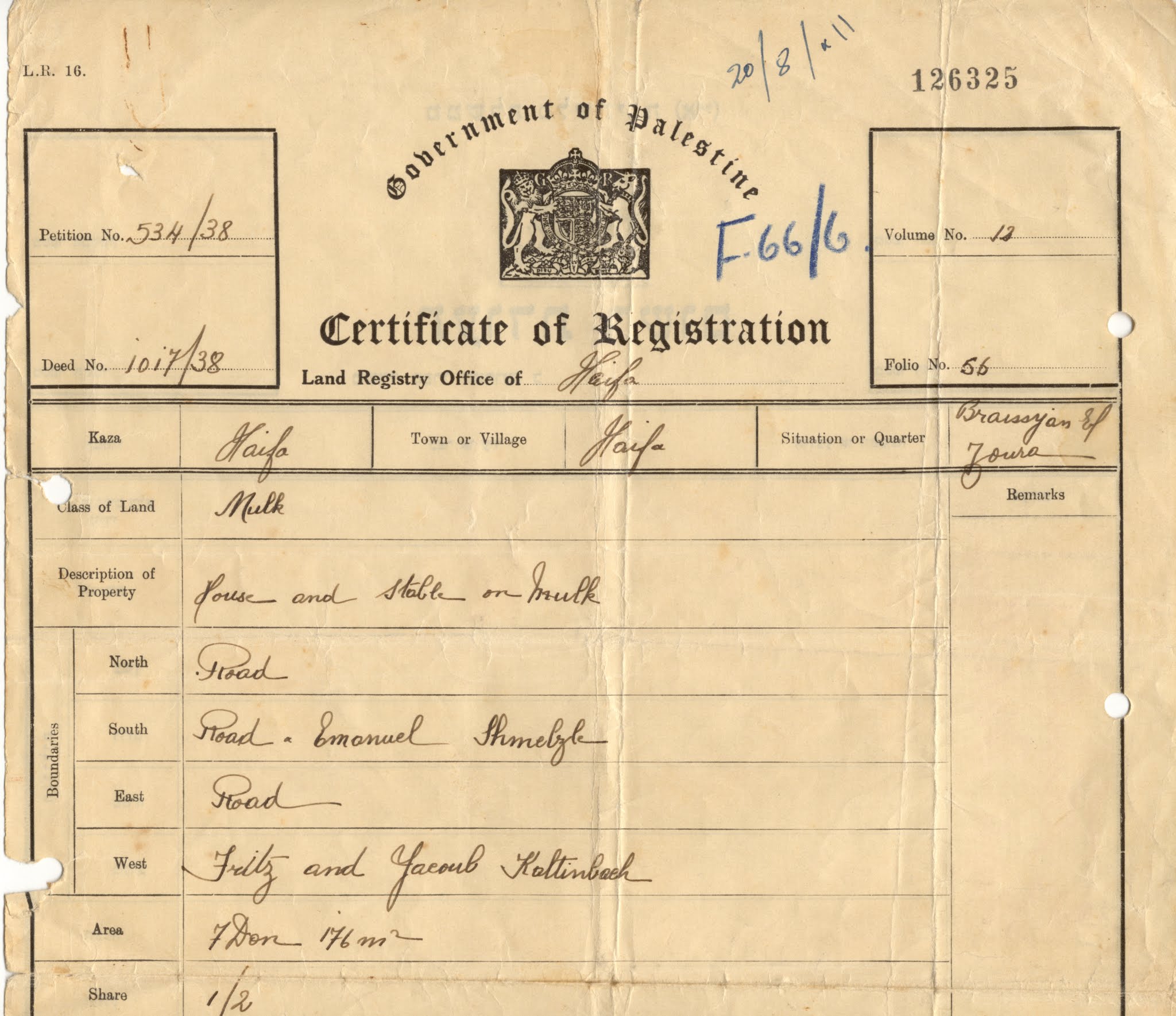
When I visited the pine forests on Mt. Carmel—possibly due to my Swiss-German passport—I realized that one of these forests is informally called “Little Switzerland”. The overwriting of landscapes with European identities is a classic colonial tactic to erase Palestinian belonging.
I wonder if the name had something to do with my great-grandfather’s Swiss roots. His return to Haifa in the early 1950s was possible due to his Swiss citizenship, and a right that was denied to displaced Palestinians. He then worked as a gardener for the Israeli government in a pine tree nursery, contributing to the afforestation that masked Palestinian villages.
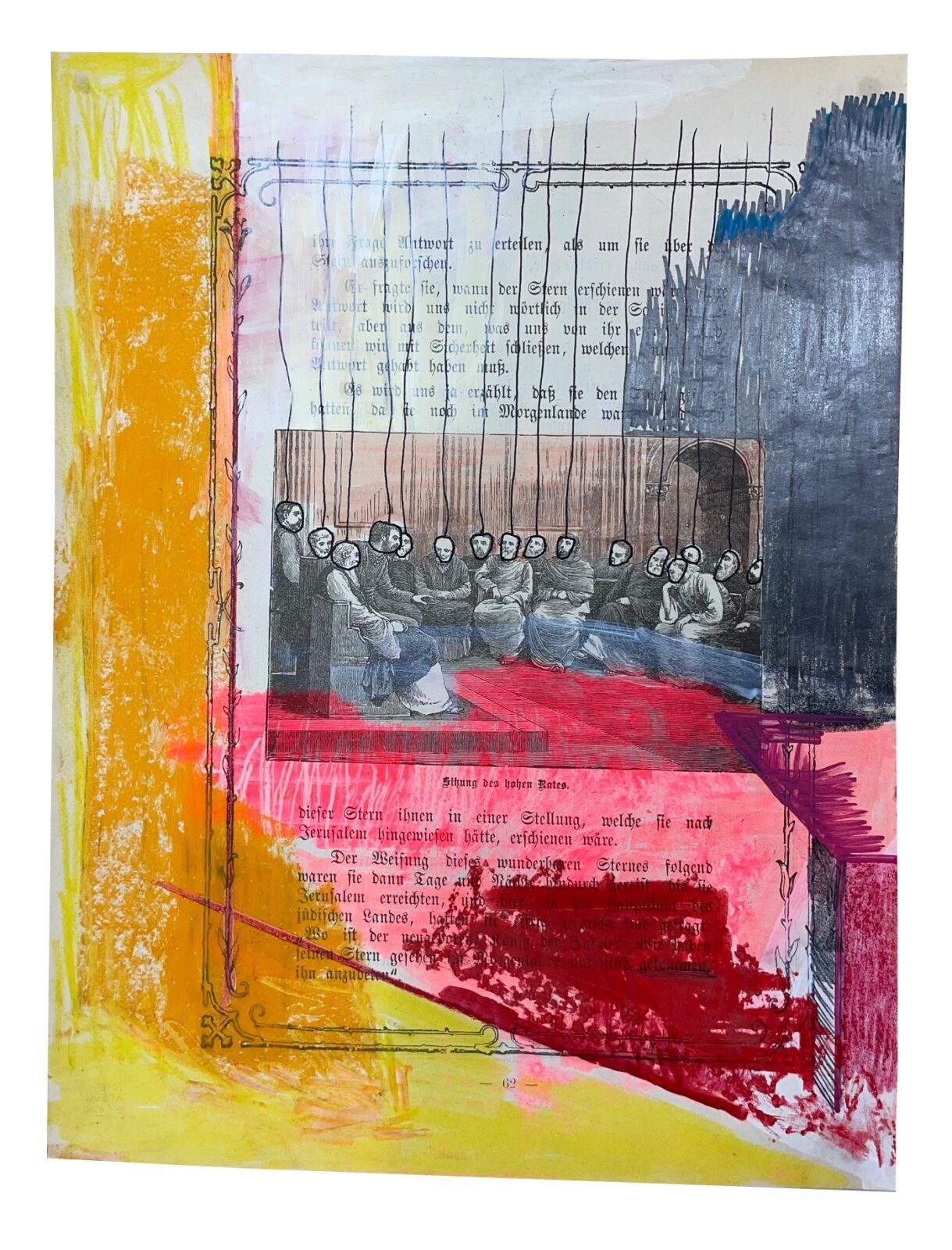
Yet, he also was an evangelical Christian, heavily invested in missionary work. In his memoirs he recalls proudly how he managed to secretly distribute Bibles to Jews, despite his new employer’s prohibition to do so.
When I asked my grandmother how he felt about the displacement and disappearance of over 80% of the Palestinian population in Haifa, she said he probably never really thought about it. The Nakba was never mentioned in our family. I also noticed that not a single name of the Palestinian workers was documented in my great-grandfather’s writings, despite their daily interactions prior to 1948.
My ancestors spoke fluent Arabic with a typical Haifa accent. However, later generations learned Hebrew instead and sent their kids to Israeli schools—and to the Israeli military.
They see the genocide in Gaza as the fulfillment of Biblical prophecies rather than a continuation of settler-colonialism and an extreme excess of global imperialism. Violence against the colonized is once more justified with the misinterpretation of the Bible, marking who will continue to be erased.
Family Archive: Silence, Gaps and Erasure
Looking at the family archive I inherited, the invisible and the missing parts become ever more noticeable to me. Recently I met a Palestinian protestor in Berlin who told me that their grandfather was working as a child laborer in one of the German colonies. I also learned that the German employers had cut the Palestinian workers’ fingernails to a painful extent, so their fingernails would not harm the fruits when picking them from the trees.
These stories show the reality that is systematically hidden. I wonder about all the other stories that were not documented in any archive and what happened to the 70 Palestinians who worked for my great-grandfather, planting European pine trees on their own land.
Where did they escape to during the Nakba? Are they also watching the news as these trees, not made for the Mediterranean climate, burn? Are they part of the 70% Palestinian refugees who are trapped in Gaza as Israel bombs and starves them with the complicity of the West?
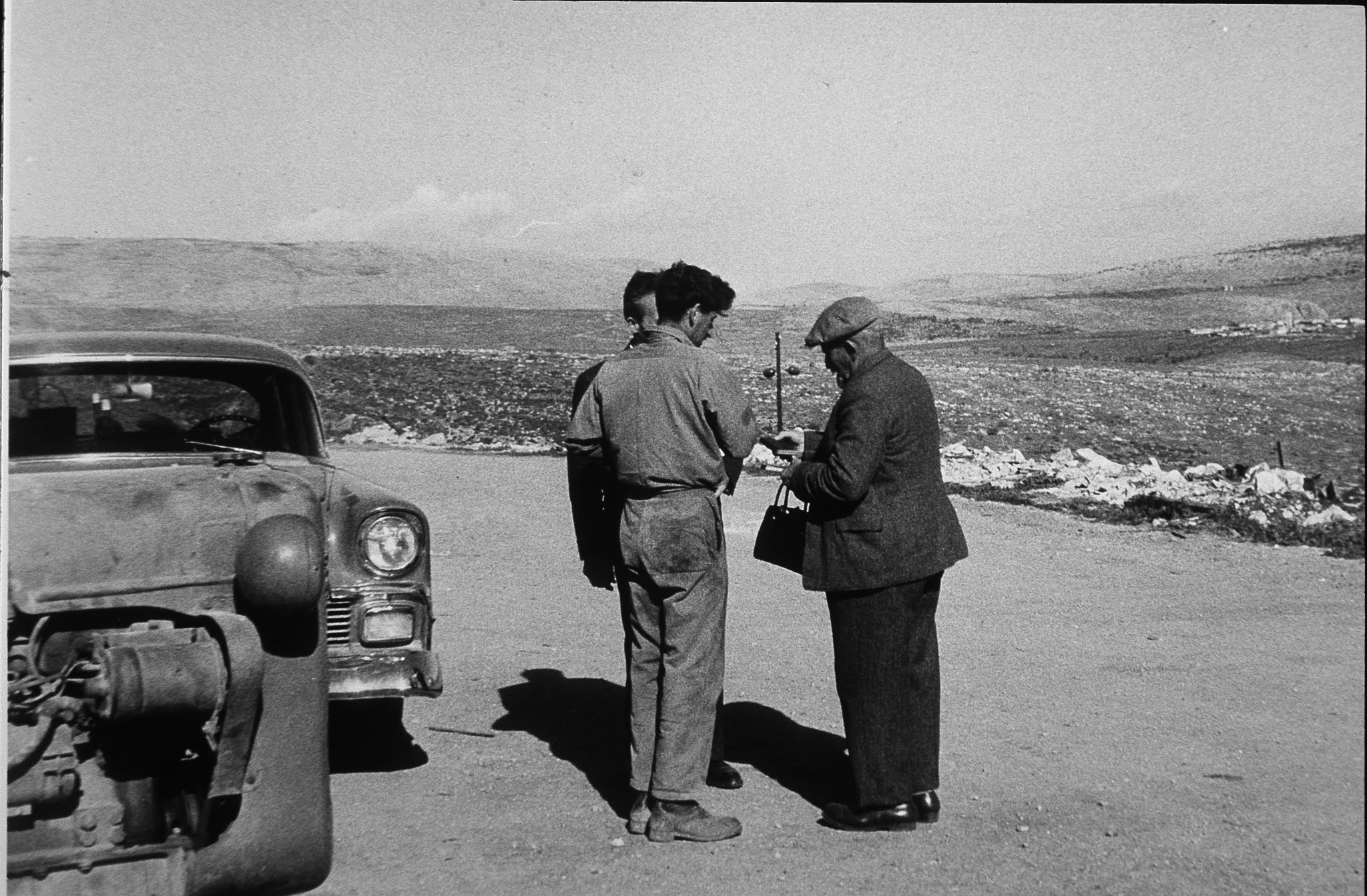
Palestinians’ rightful demands for freedom, the right of return, and self-determination are systematically erased from the Western consciousness. But the armed resistance on the ground has forced the world to not look away any longer.
The Palestinian struggle for liberation has ignited a global movement in solidarity with the oppressed people—from Gaza, Congo, and Sudan to Haiti. Imperial and colonial violence repeat in various forms, but follow a similar logic of dehumanization, exploitation, and genocide.
The agency of colonized people doesn’t rely on the recognition of Western scholars, or state archives. A Palestinian friend told me: “To stand in solidarity with our people, you have to see our struggle through our eyes.” This shift in perspective has reached a large number of students, activists, and critical thinkers in the past two years, who organize to dismantle the settler-colonial Zionist project.
Palestinians lead this shared struggle with decades of experience, and a deep understanding of the oppressive system.
Choosing to be an Outsider rather than a Bystander
When I left the evangelical congregation I knew that the religious authorities would often punish those who leave. They would withdraw social and financial security, and sometimes hound its former members severely. I moved to Berlin to both escape, and to form a new life in my new-found freedom. It took some time, but eventually I made new friends with those I was taught to fear: queer folks, Palestinians, and many others.
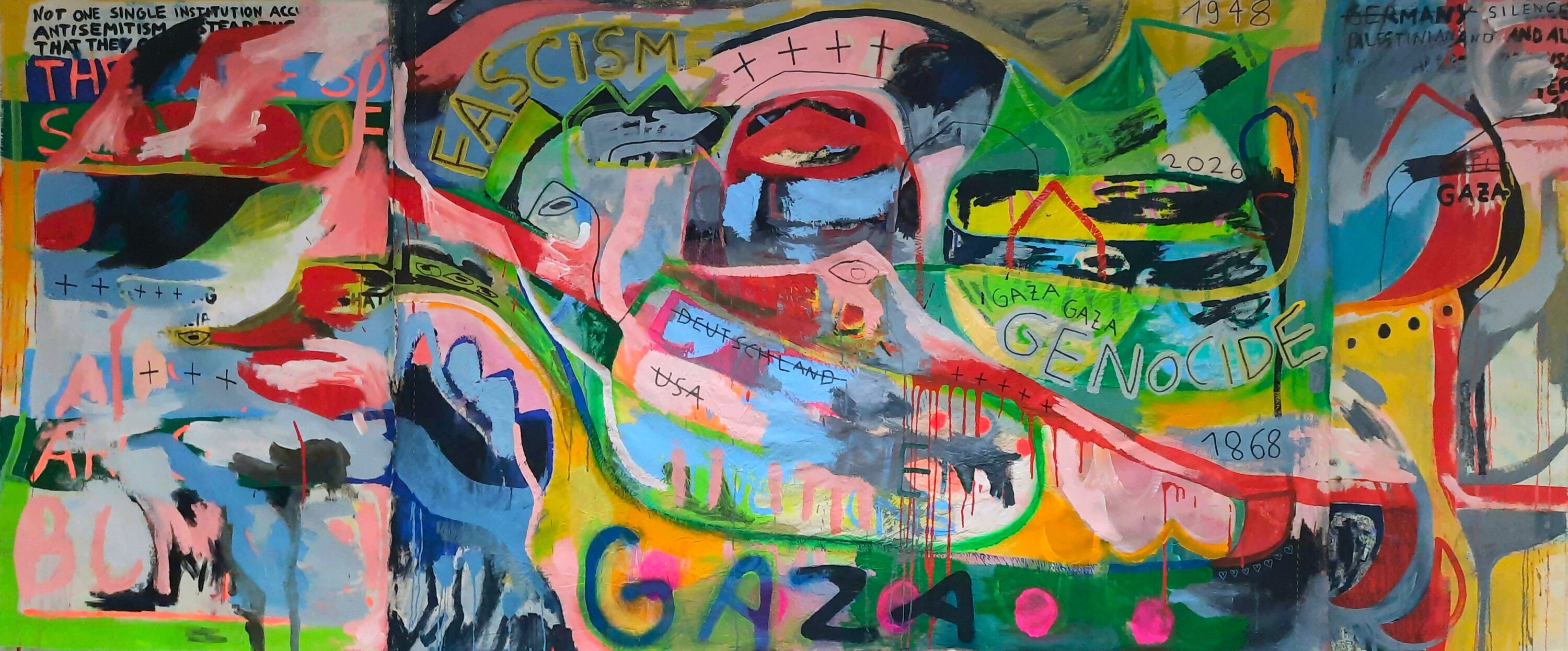
After 7 October 2023, I felt the same social alienation in Germany when more arrests followed, each one more arbitrary than the other. Once I was accused of incitement to hatred for holding a sign that said “From the river to the sea, we demand equality.” The police said it’s a signifier for terrorism. A few months later, the Landeskriminalamt (State Criminal Police) came to my home to investigate my “crime.” When I asked the officer if he really thinks that demanding equality could be considered hate speech or terrorism, he looked quite embarrassed. After all, he was just doing his job—as were the millions of Germans during the Holocaust.
The apathy and silence of German civil society is what shocks me much more than any arrest or police violence. Millions act as if what happens in Palestine had nothing to do with them or their tax money. I understand that this isn’t just individual denial or hypocrisy but deeply embedded in the state-led conditioning. I get it. Breaking away from the Zionist ideology surely comes at a cost—but when staying is no option, the price to leave is never too high
Striving Toward Collective Liberation
Germany’s harsh repression against solidarity with Palestine mirrors its unprocessed colonial and Nazi past. Mechanisms of silence, shame, and the projection of guilt onto innocent people repeats over generations and on the institutional level. Just like the religious belief I grew up with supported colonial empires to mobilize masses, suppress opposition, and justify wars, the German Staatsräson serves to manufacture consent for Israel’s genocide, apartheid, and oppression.
The scope in which to think and ask questions is predefined, same as the evangelical vision of reality is predetermined. It functions to maintain power over the narrative and exclude those who don’t surrender to the self-serving agenda of an unjust system.
Congolese activists recognize the intersections between their struggle and the Palestinian struggle for liberation, and team up with the BDS-movement to share knowledge and expose the exploitative nature of Western domination. When thinking about decolonization, every complicit government and institution needs to be held accountable.
They will likely blame it on “the Jews” once the Zionist project is no longer profitable; this puts all Jewish people in danger based on their identity—no matter whether they oppose Zionism or not.
I believe that collective liberation is impossible without dismantling Zionism in all its shades, foremost Christian Zionism. To reject Zionism as a colonial project is not to reject Jewish existence or belonging. On the contrary: it is to refuse the instrumentalization of Jewish trauma and survival for colonial ends. The Jerusalem Declaration of Antisemitism, published in 2021, offers an alternative framework that distinguishes the legitimate refusal of Zionism from antisemitism—a urgent and necessary step toward building decolonial and intersectional solidarity for all oppressed peoples.
Decolonization must dismantle Christian and Jewish forms of colonial thought without collapsing them into each other.
Germany’s anti-BDS and IHRA resolutions are not just about targeting freedom of speech. The movement for boycott, divestment and sanctions stands for much more than just an opinion; it seeks to hold those companies and institutions accountable who profit from exploitation and mass murder.
To break with the racist and openly fascist framework of Zionism through boycott, sanctions and disinvestment is an ever more urgent quest in times of genocide. Strikes are a powerful means to withhold labor force and raise collective pressure and awareness, giving power back to the people and holding the higher powers accountable, not alone but with each other—while hoping that the one and only God who cares for humanity, regardless of race and gender, will care for us.
The Bible says it already: Lucky are those who don’t run after money but care for each other as for oneself. I recently read on Instagram that the opposite of depression is not joy but expression, and I couldn’t agree more. That’s why the voices of the oppressed will never ever be silenced.